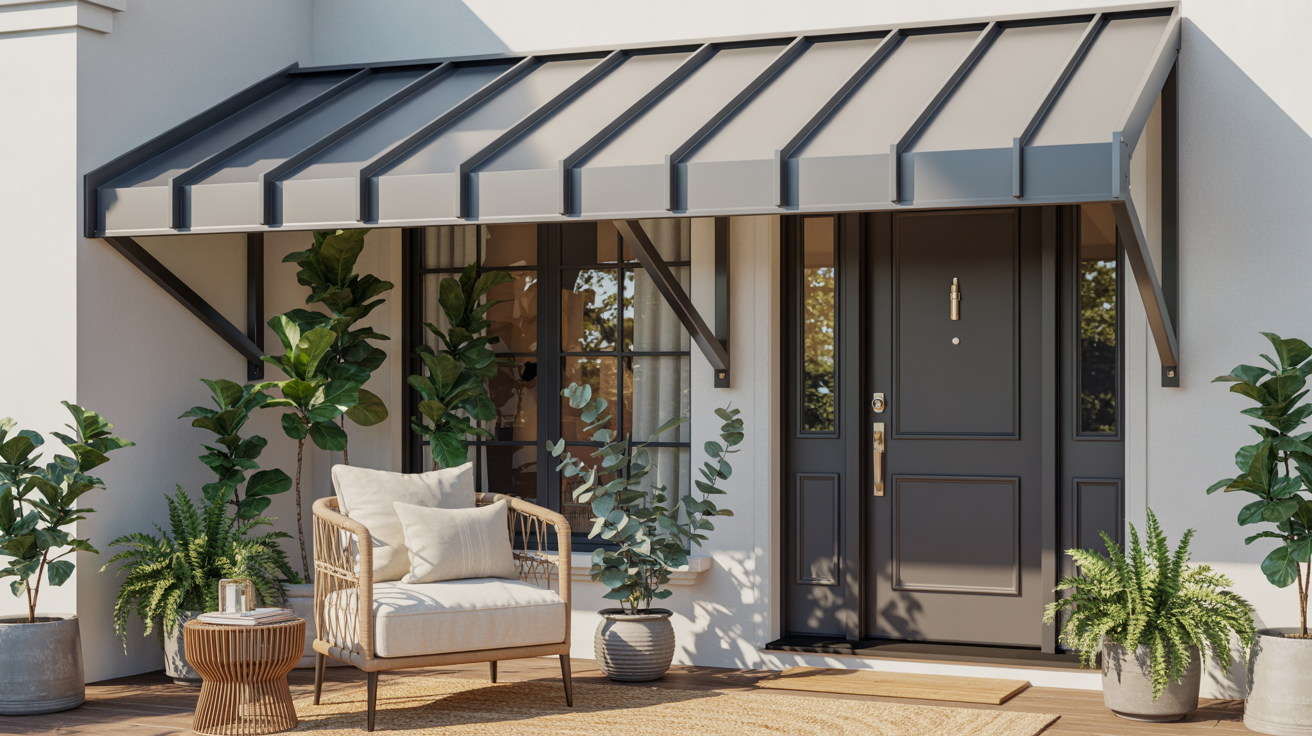

Your porch is more than just an entryway to your home. It is the first area guests notice, and a well-designed porch can instantly boost your curb appeal. One of the easiest ways to elevate your home exterior design is by installing metal porch awnings. These structures are not only functional but also add a stylish and welcoming entryway that reflects your personality. From protecting your porch from harsh sun and rain to enhancing the overall architectural look of your house, stylish metal awnings are a smart choice for any homeowner looking to combine beauty and utility. In this article, we will explore creative ideas, practical tips, and inspirational designs for porch awning design that can transform your home exterior.
Why Metal Porch Awnings Are a Smart Choice
Metal porch awnings are an excellent investment for homeowners because they provide a unique blend of durability, style, and protection. Unlike fabric or vinyl awnings, metal is resistant to fading, mildew, and tearing, making it a long-lasting design choice. A metal porch awning not only shields your porch and front door from rain, snow, and UV rays but also contributes to energy efficiency by reducing heat exposure and cooling costs in the summer. For homeowners with a busy lifestyle, metal awnings require minimal maintenance, offering a functional and stylish solution without compromising aesthetics.
Metal also allows for a variety of architectural styles. Whether your home is modern, traditional, rustic, or minimalist, metal awnings that blend with home architecture can create a polished and cohesive look. In addition, a well-placed entryway awning enhances your first impression, giving your home a welcoming and curated atmosphere. The combination of protection, style, and practicality makes metal awnings a smart choice for any porch or outdoor space.
Selecting the Right Metal Finish for Your Porch
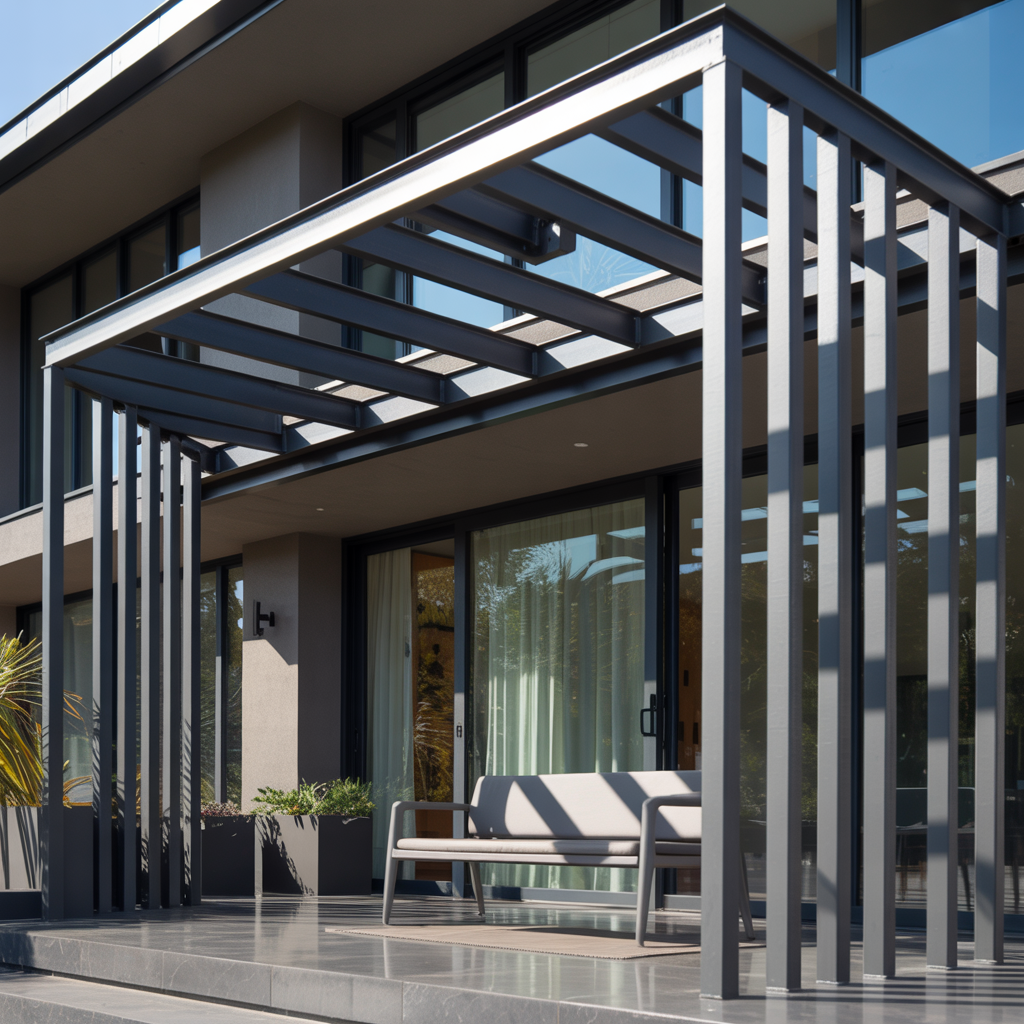
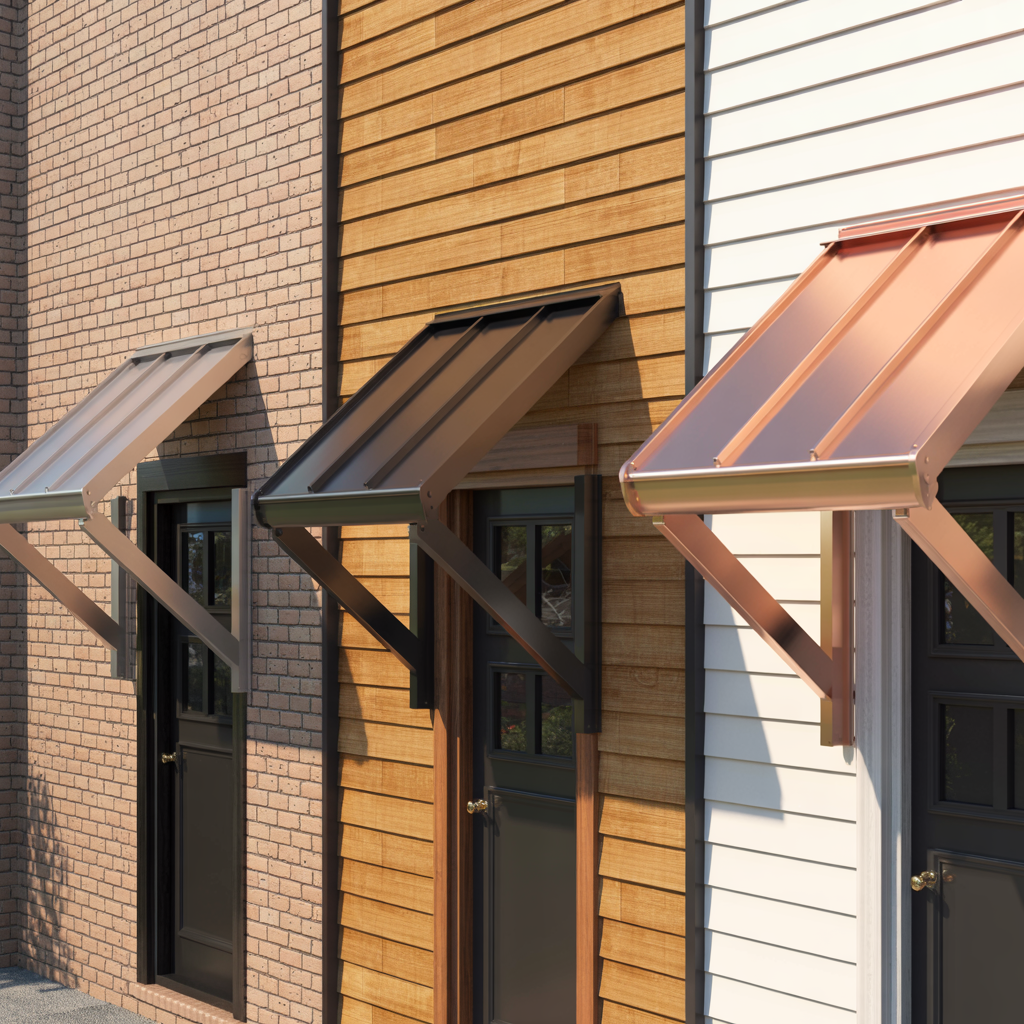
Choosing the right finish is crucial when installing a metal porch awning. The finish not only affects the overall look of your porch but also contributes to durability and long-term maintenance. Popular options include powder-coated, matte black, bronze, and copper finishes. A powder-coated finish is highly resistant to rust and scratches, making it ideal for areas with frequent weather changes. Matte black offers a modern and sophisticated look, while bronze and copper tones add warmth and complement natural materials like wood and brick.
The choice of finish also allows for creative styling. You can layer or repeat the color across other exterior elements such as railings, door frames, or house numbers, creating a visual grandeur that ties the entire porch together. A glossy or metallic finish can make a front door awning the focal point of your home, while muted tones provide subtle elegance. Homeowners can also switch finishes seasonally with accessories or lighting, adding a touch of intentional and curated styling to their porch.
Matching Awnings With Your Home Architecture
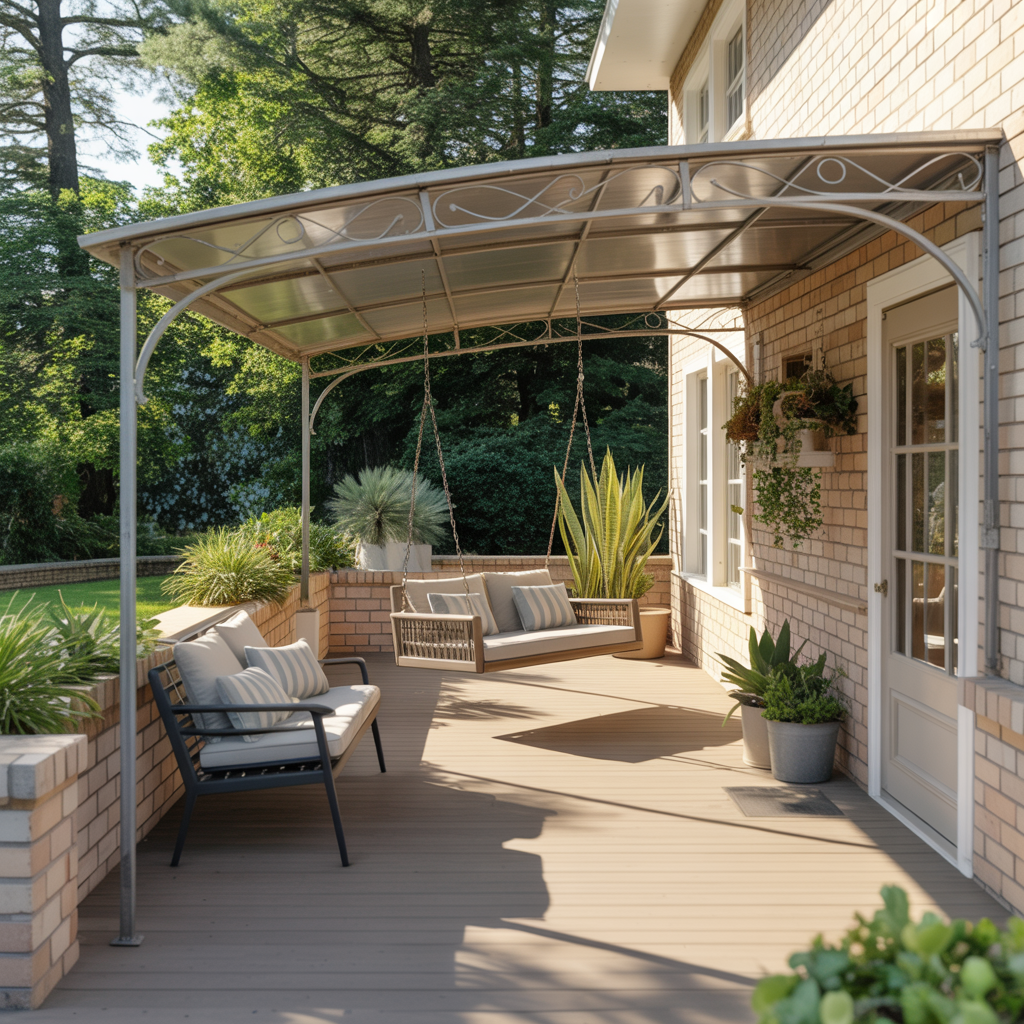
The shape and design of your metal porch awning should complement your home’s architecture. A flat, streamlined awning suits minimalist houses, while curved, domed, or arched designs work well for traditional or craftsman-style homes. Selecting an awning that aligns with your architectural style ensures that the porch does not look out of place but rather enhances the overall home exterior design.
For narrow porches, smaller projections provide adequate shade and shelter without overwhelming the façade. Wider or double-entry porches benefit from deeper awnings that offer visual balance and functional protection. Matching your metal awning with rooflines, windows, and other design elements strengthens symmetry and balance in design, making the porch inviting and cohesive.
Creative Shapes and Designs for Metal Awnings
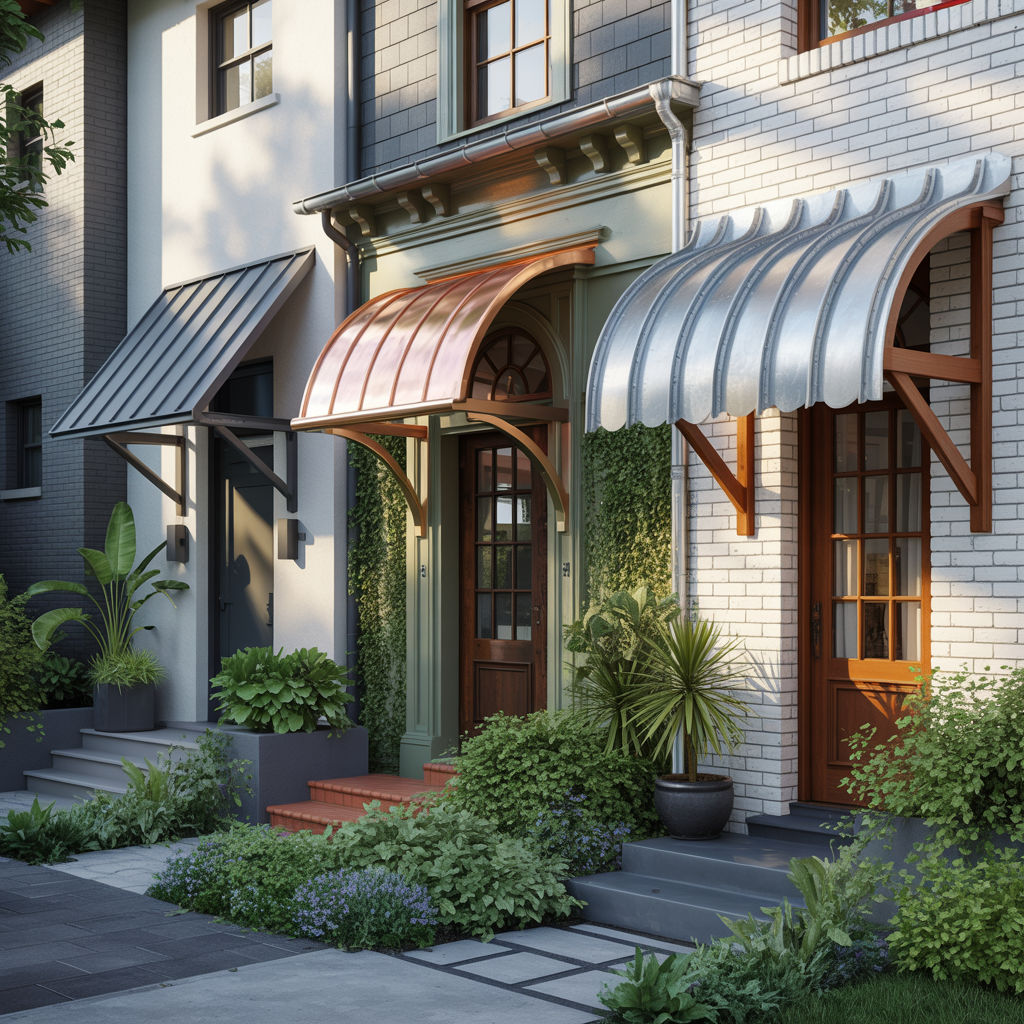
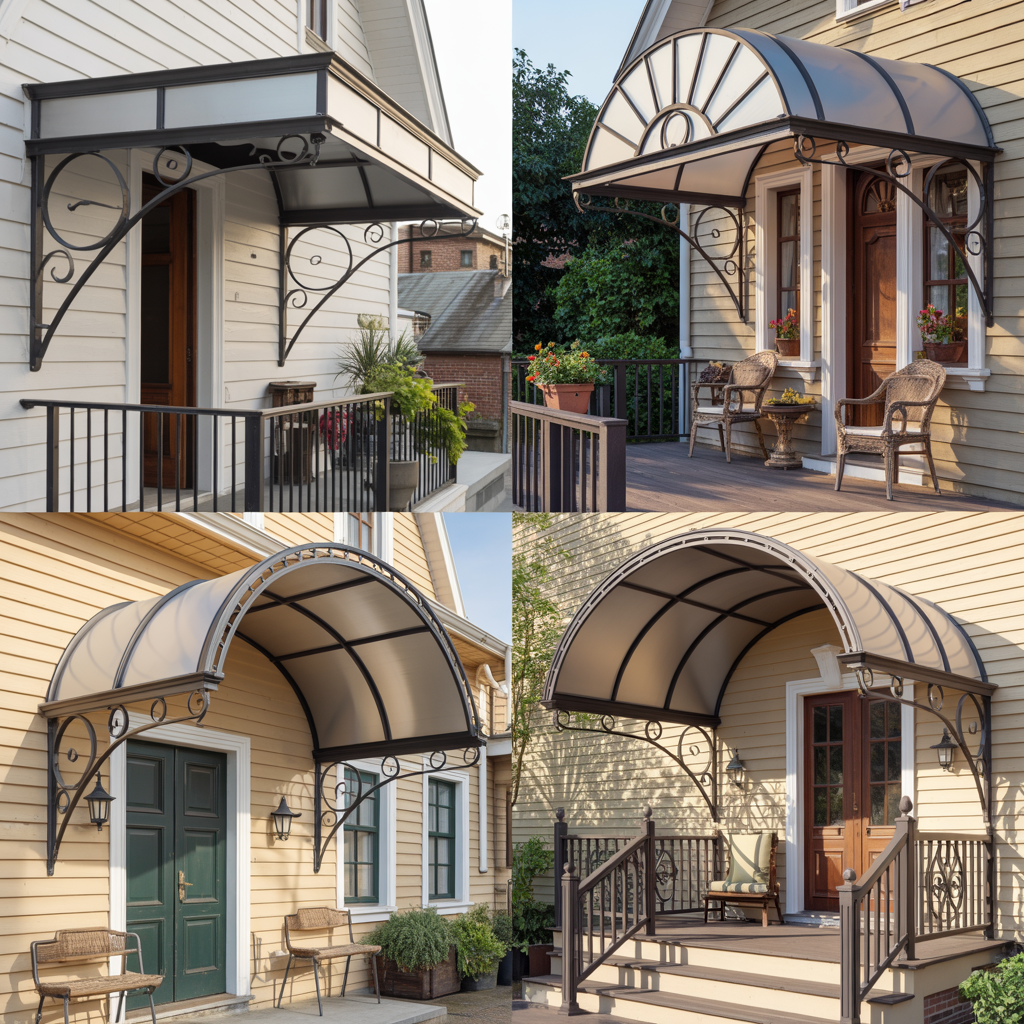
Metal awnings come in many shapes, including flat, curved, arched, domed, and fully customizable awning shapes. Flat designs often work best for modern homes, giving a sleek and minimalist look. Curved or domed awnings soften edges and add character to traditional or cottage-style homes, while arched designs create a sense of elegance and grandeur at the front door awning.
Homeowners can also use customizable awning shapes to match their unique preferences. For example, a gently sloping copper awning over the front stoop can transform the porch into a centerpiece, while a dark matte black flat awning over a modern entryway creates a dramatic, sophisticated appearance. The key is to choose designs that are eye-catching yet practical, providing both visual appeal and functional protection.
Integrating Lighting With Your Porch Awning
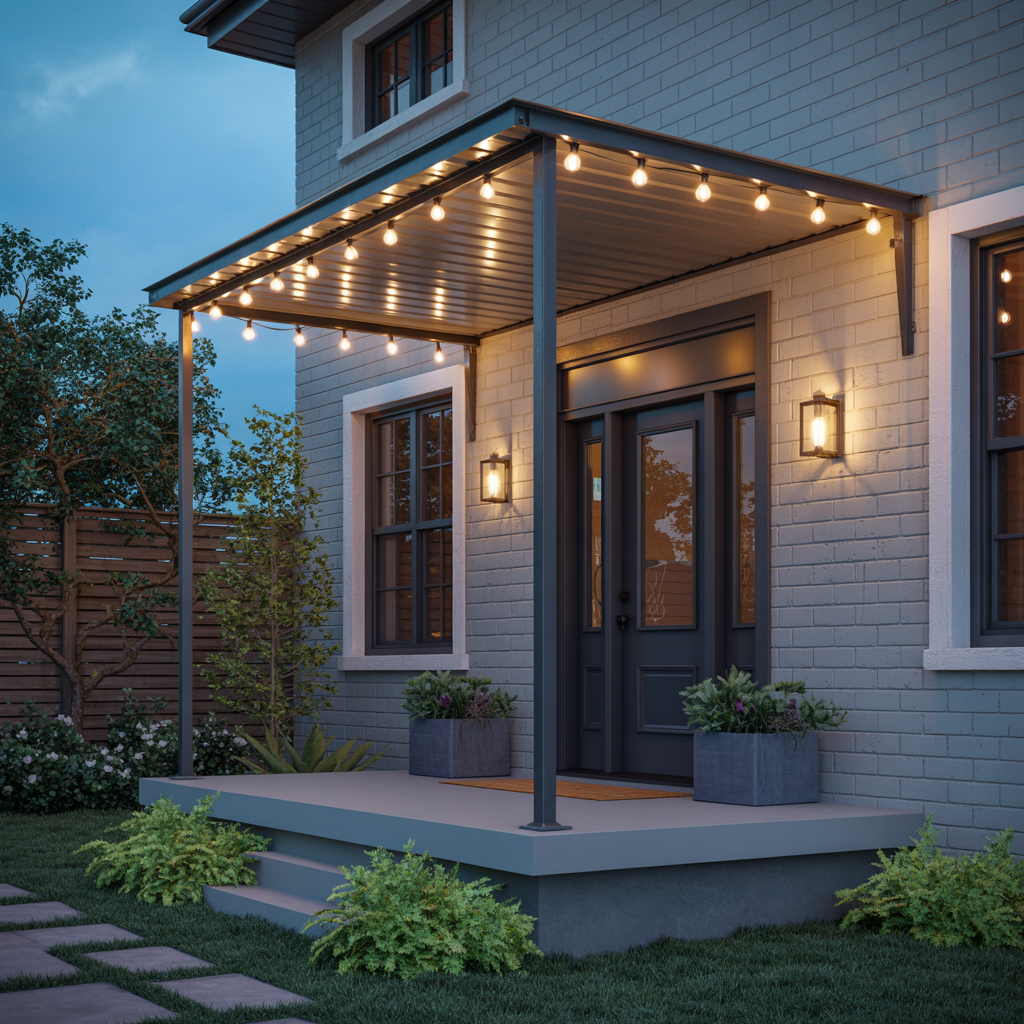
Lighting is an essential element in creating a welcoming entryway with a metal porch awning. The right lighting can transform your porch from a simple shade into a stage that highlights architectural details. String lights, recessed LED strips, or wall sconces can enhance both safety and ambiance. For example, soft warm white bulbs (2700K–3000K) under the awning create a cozy glow that is inviting at night, while dimmable LED strips allow homeowners to adjust brightness for seasonal displays or entertaining.
Integrating lighting strategically can also draw attention to decorative elements and outdoor furniture, enhancing the overall porch aesthetic. Homeowners can even use hanging solar lanterns from the edges of the awning to add storybook charm, making the porch memorable and Pinterest-ready.
Adding Greenery and Decorative Elements
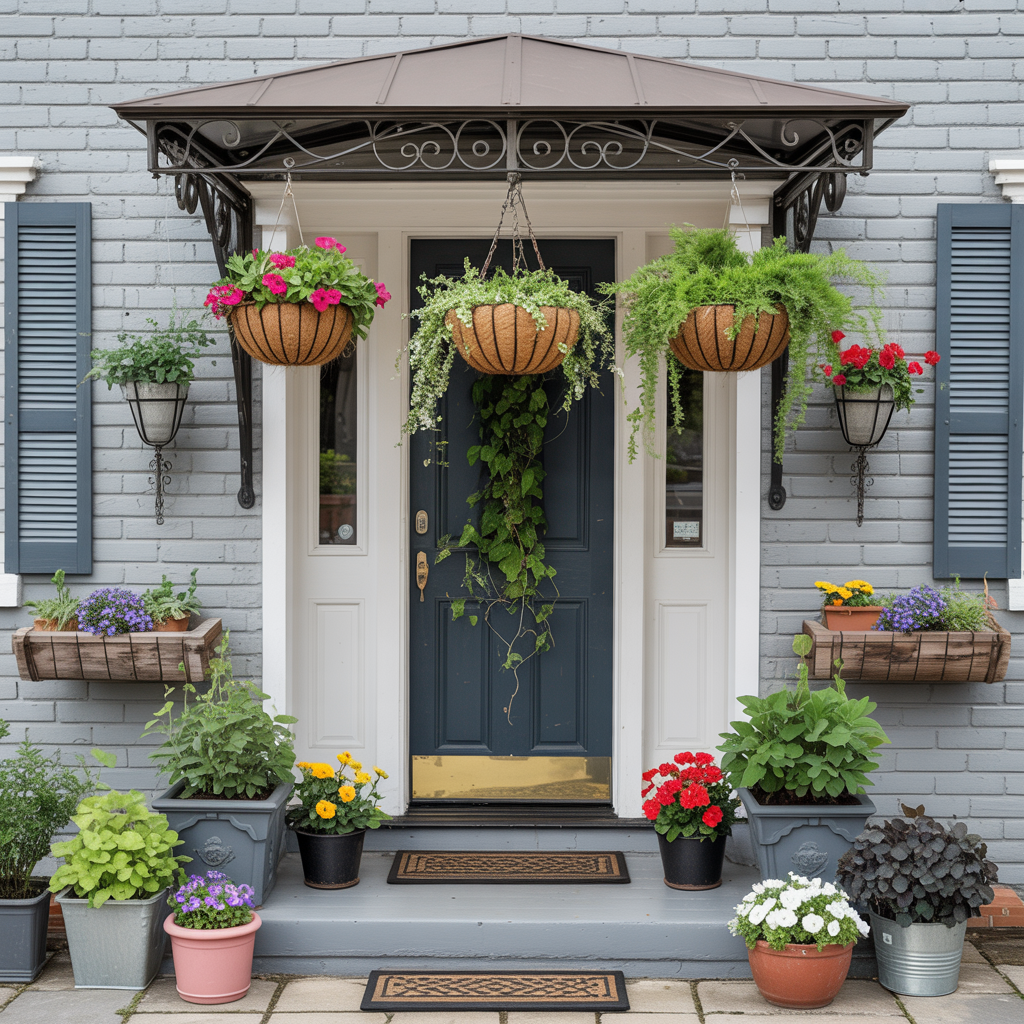
Adding greenery or plants on porch under your metal porch awning softens the hard lines of metal and brings life to your outdoor space. Tall planters, hanging baskets, and climbing vines create a layered, inviting atmosphere that connects the porch with surrounding landscaping. Seasonal changes in plant selection, such as petunias in summer, mums in fall, and evergreens in winter, maintain visual interest year-round and create a dynamic and curated look.
Decorative elements, such as lanterns, rustic benches, or colorful pots, can complement the awning’s finish, while repeating colors and textures ensures cohesion. By combining plants and decor thoughtfully, homeowners can create a porch that feels like a true extension of their indoor living space.
Coordinating With Outdoor Furniture and Decor
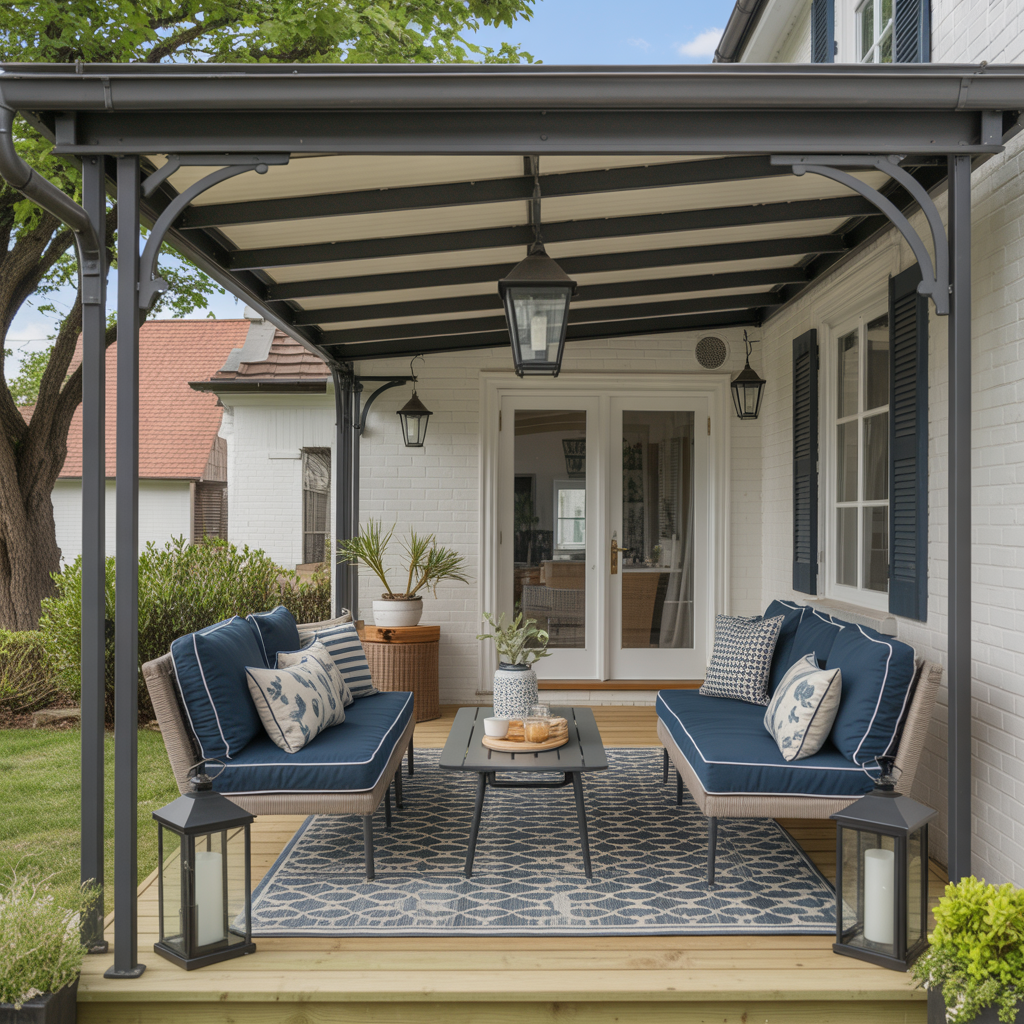
A metal porch awning is most effective when coordinated with outdoor furniture and decor. Matching colors, textures, and materials ensures a harmonious look. For instance, a navy awning with striped cushions and a jute rug creates a coastal feel, while a bronze awning with woven baskets and rustic lanterns exudes a lodge-inspired vibe. Adding a bold accessory, such as a geometric pillow or patterned rug, can tie the design together and make the porch feel intentional, polished, and sophisticated.
Outdoor furniture should also consider function alongside style. Seating under the awning benefits from shade and sun protection, making the porch comfortable throughout the day. Coordinating lighting and greenery with furniture strengthens the overall storytelling through design.
Balancing Style and Functionality
One of the biggest advantages of metal porch awnings is the combination of style and function. They provide essential shade and shelter while allowing homeowners to explore bold colors or intricate design details. Functional benefits include reducing energy costs by minimizing sun exposure and protecting porch furniture from rain and UV damage.
Designers recommend scaling awnings to match the porch size and intended use. Small, cozy porches benefit from subtle projections, while expansive entries can use deeper awnings for visual balance and protection. By carefully balancing style and function, your porch can feel both welcoming and practical.
Maintenance Tips for Long-Lasting Metal Awnings
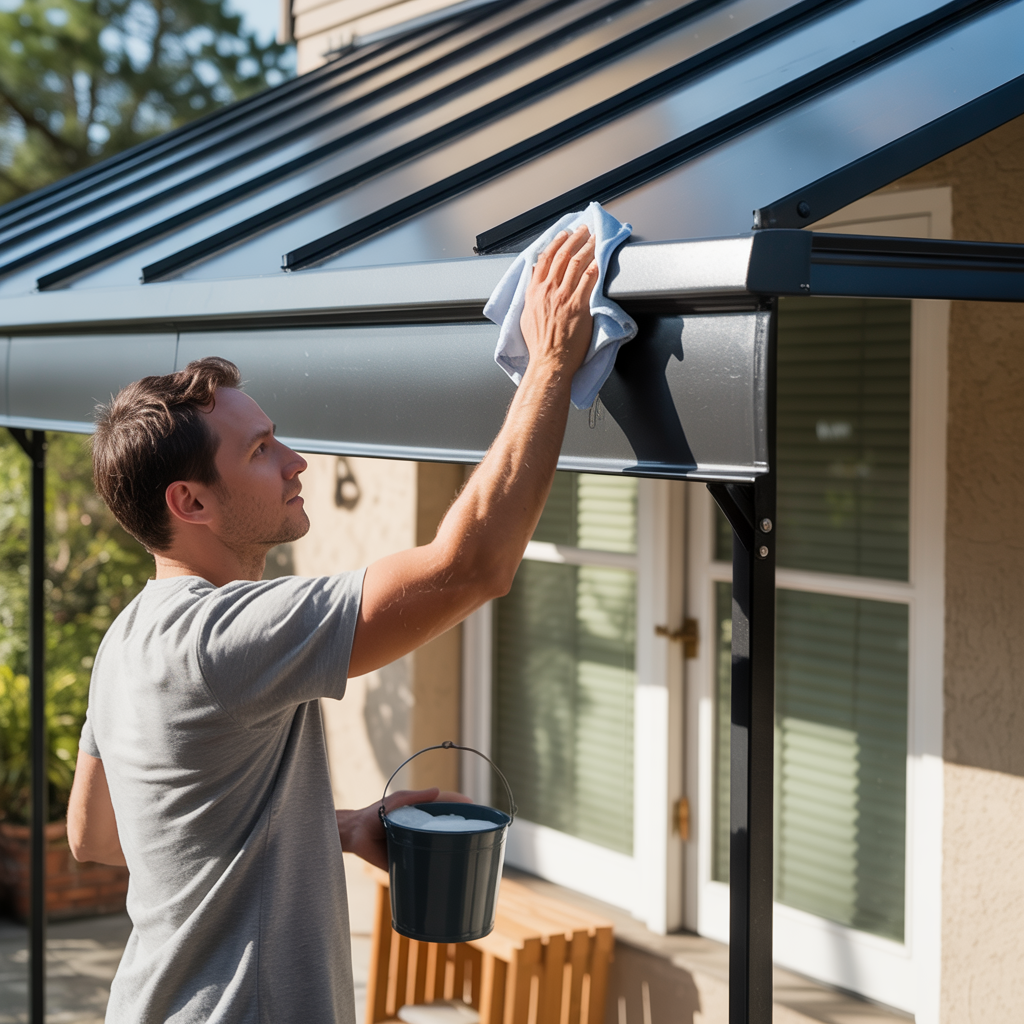
Long-term maintenance is crucial for keeping your metal awning looking stylish. Regular cleaning with mild detergent prevents dust buildup and maintains its durable metal finish. Rust prevention is essential, particularly for powder-coated or painted finishes, and applying sealants or protective coatings can extend lifespan. Seasonal inspections help detect early signs of wear, ensuring the awning continues to protect and elevate your home exterior design. With minimal effort, a metal awning can last decades, making it a cost-effective investment.
| Maintenance Task | Frequency | Tips |
| Cleaning | Every 3–6 months | Use mild soap and water |
| Rust Prevention | Annually | Apply sealant or protective coating |
| Inspect for Damage | Seasonally | Check for loose screws or dents |
| Paint Touch-Ups | As needed | Use color-matched metal paint |
FAQs About Metal Porch Awnings
Q1. Do metal porch awnings improve curb appeal?
A: Yes, a well-designed awning frames the entrance and enhances your home’s first impression.
Q2. What is the best finish for a metal porch awning?
A: Matte black or charcoal offers a modern look, while bronze or copper adds warmth. Match the finish with exterior accents for a cohesive style.
Q3. Are metal awnings expensive to maintain?
A: Not at all. Unlike fabric awnings, metal requires minimal maintenance, occasional cleaning, and protects the porch for decades.
Q4. Can I add decor without cluttering the porch?
A: Absolutely. By coordinating outdoor furniture, greenery, and decorative elements, your porch will feel curated, not cluttered.
Q5. How long does a metal porch awning typically last?
A: With proper care, durable metal awnings can last 20–30 years, making them a long-lasting design investment.
Final Thoughts
A metal porch awning is more than a simple shade structure. It is a way to express style, enhance curb appeal, and create a welcoming entryway. By thoughtfully selecting finishes, matching your architectural style, integrating lighting, greenery, and outdoor decor, homeowners can create a porch that is both functional and stylish. Investing in a metal porch awning transforms your porch into a space that is inviting, polished, and perfectly suited for modern homes. Whether you choose a curved, domed, or flat design, your porch will tell a story of elegance, protection, and timeless style.


 By
By