
Choosing the right furniture for your living room can feel overwhelming. With so many options, styles, and layouts, it is easy to make mistakes that affect both the look and the functionality of your space. Your living room is more than just a place to sit. It is where you entertain guests, relax after a long day, spend time with family, and create memories. Choosing living room furniture that balances comfort, style, and practicality is essential for a cohesive and inviting space. This step-by-step guide will help you make informed decisions to create a modern living room that fits your lifestyle.
Step 1: Measure Your Space Before You Buy
Before purchasing any furniture, the first and most important step is to measure your space. Knowing the room dimensions ensures that the pieces you choose will fit comfortably without crowding the area. Measure the length, width, and height of your room, paying attention to doorways, windows, radiators, and any built-in elements. Room mapping is a crucial step that can save you from buying pieces that are too big or too small for your living room.
Consider traffic flow when planning your furniture layout. People need space to walk around, so aim for at least 18–36 inches of clearance between key furniture pieces. In smaller rooms, floating furniture slightly away from walls can create the illusion of more open space and make the room feel less cramped. Use tools like graph paper or online floor plan applications to draw a floor plan. This process of room mapping allows you to visualize how each item will fit and how your living room furniture will function in the space.

Step 2: Identify the Room’s Main Purpose
Every living room has a primary function, and understanding this is key to selecting right furniture for your living room. Some living rooms are for watching TV, others for entertaining guests, family time, or working from home. Your functional layout should reflect how you spend most of your time in the room.
In a family-oriented space, durable and easy-to-clean materials are essential. Consider multipurpose furniture like a storage ottoman that can store blankets and serve as extra seating. For small apartments, small-space solutions like nesting tables or sleeper sofas provide versatility without compromising on style. Always choose furniture that enhances your lifestyle rather than following fleeting trends. A room designed for comfort and relaxation will feel welcoming and usable every day.
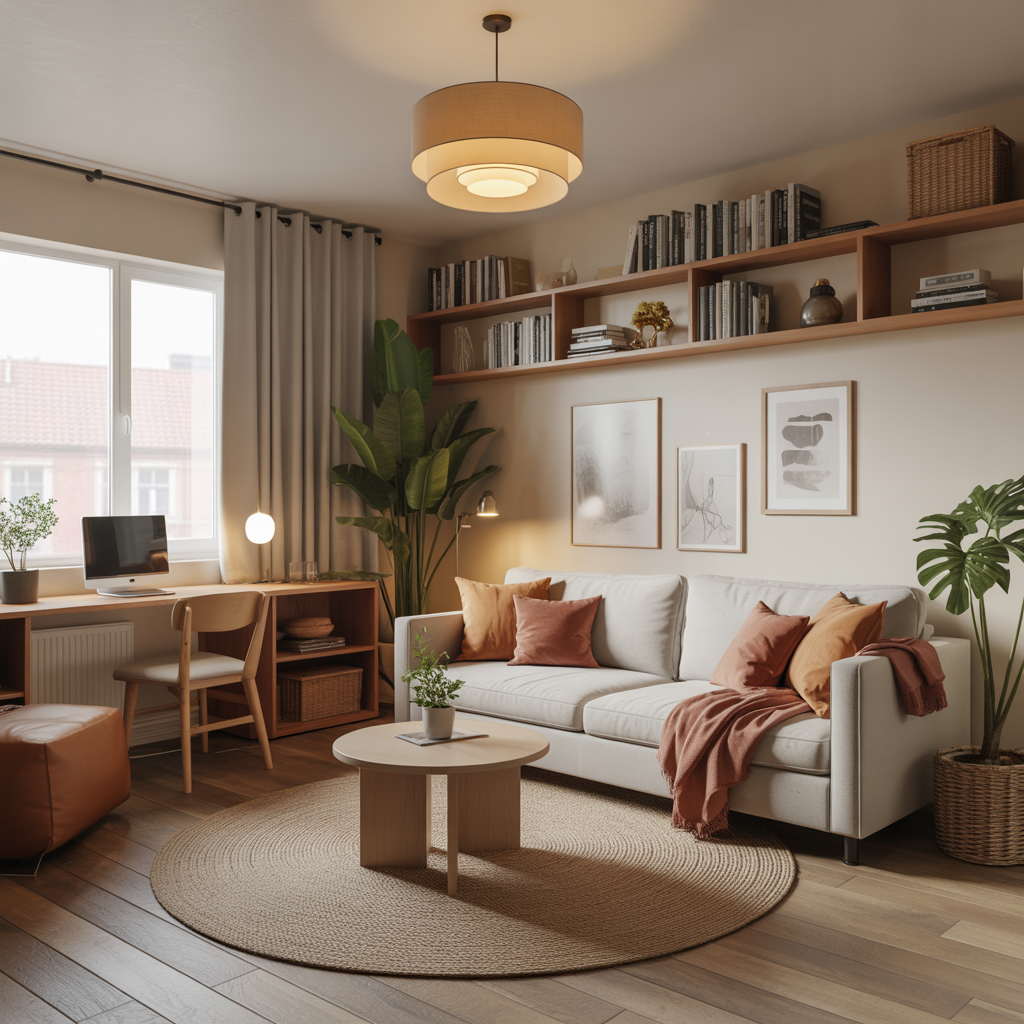
Step 3: Pick the Right Sofa for Comfort and Style
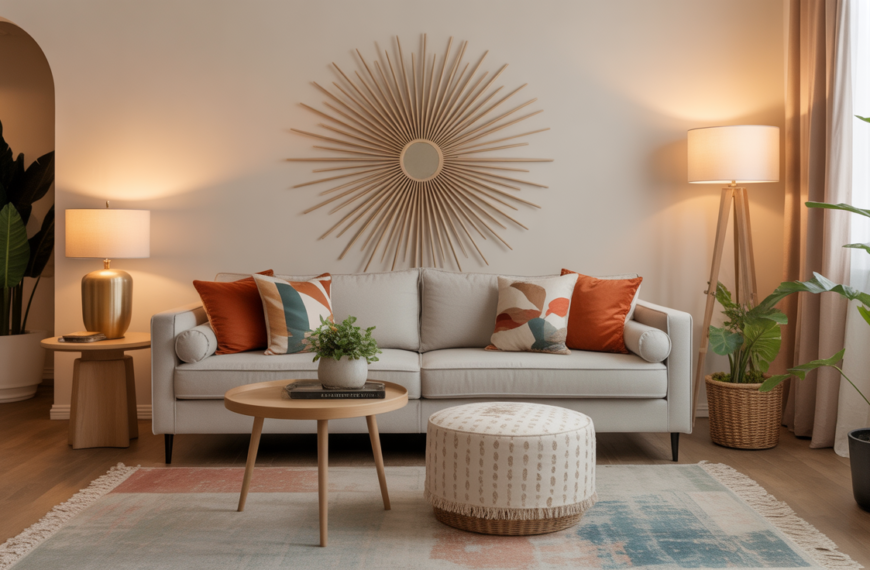
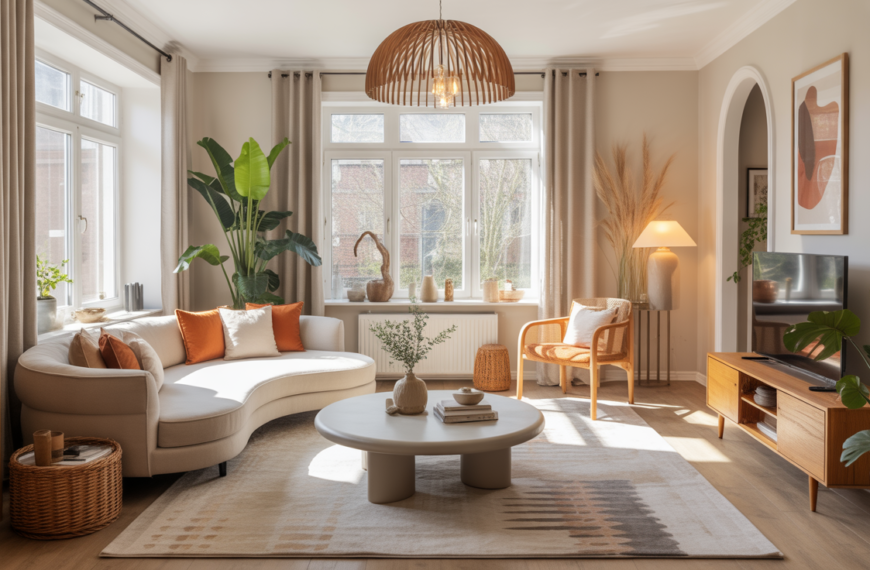
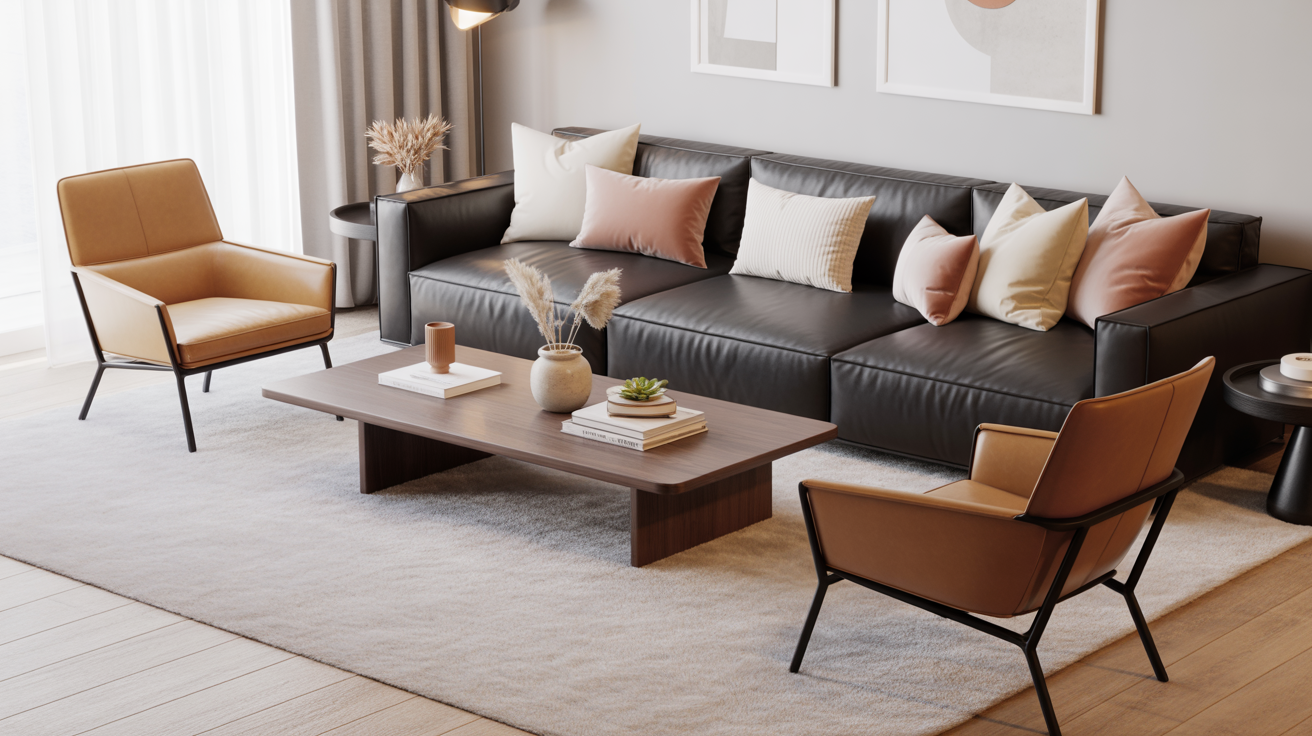
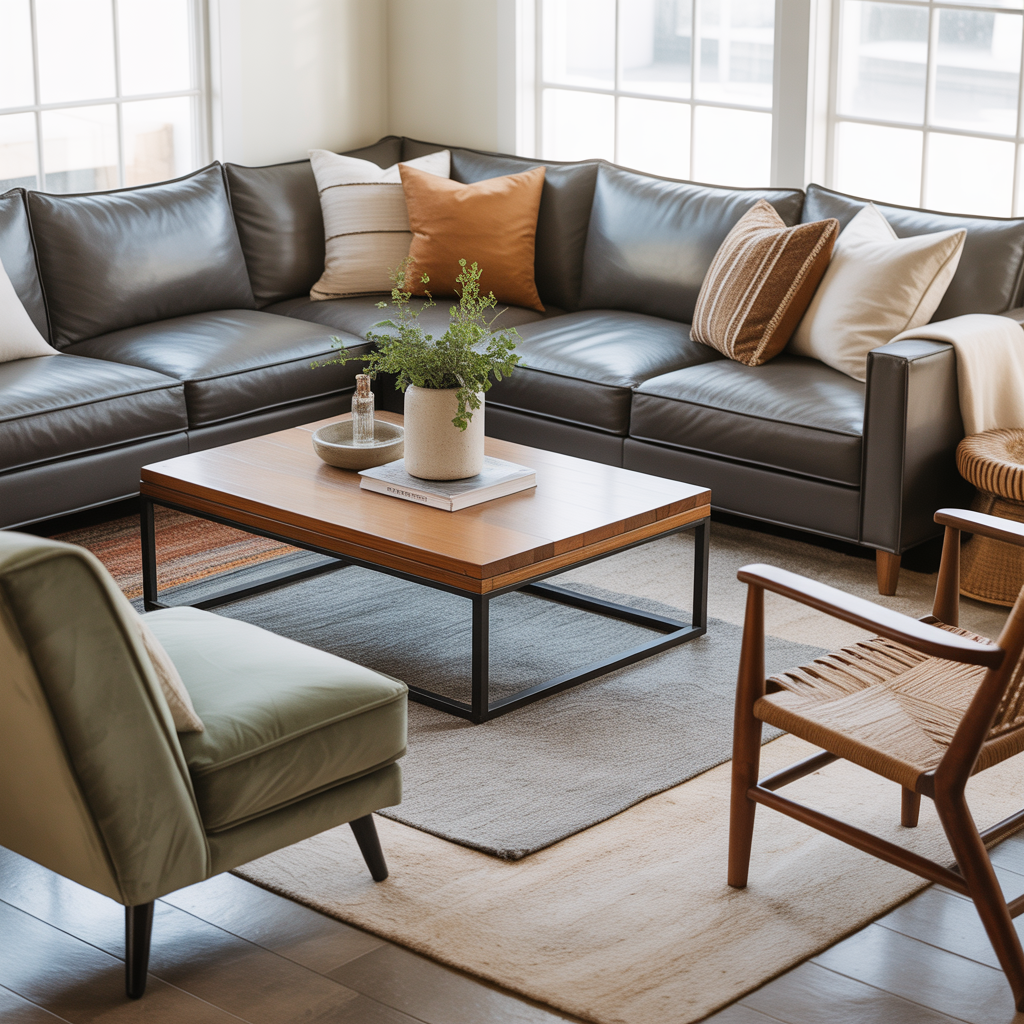
The sofa for living room is often the centerpiece of your space. It sets the tone for style and dictates the placement of other furniture. Choosing the right sofa involves considering size, material, and comfort. For large living rooms, a sectional sofa can anchor the space, creating a cozy seating arrangement. In smaller rooms, a loveseat or modular sofa works better to maintain open space and proper traffic flow.
Material matters as much as size. Leather is durable and ages beautifully, while microfiber offers softness and easy maintenance. Natural fabrics can add warmth but may stain easily. Comfort is equally important; a beautiful sofa that is uncomfortable defeats its purpose. Always test sofas in person if possible. Sit, lie down, and live with the scale before making a purchase. Remember, investing in a quality sofa is a long-term commitment and often your most-used piece of furniture.
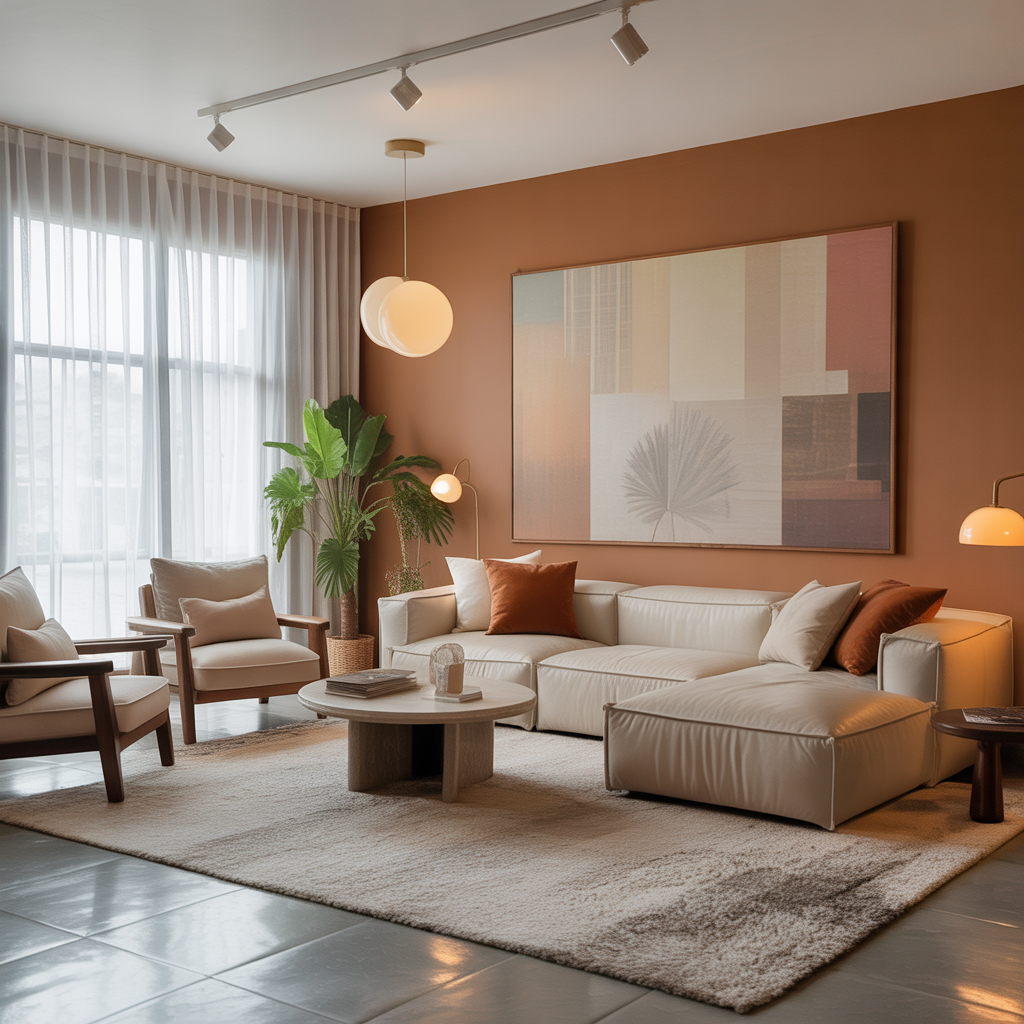
Step 4: Add Chairs, Tables, and Storage That Complement Your Sofa
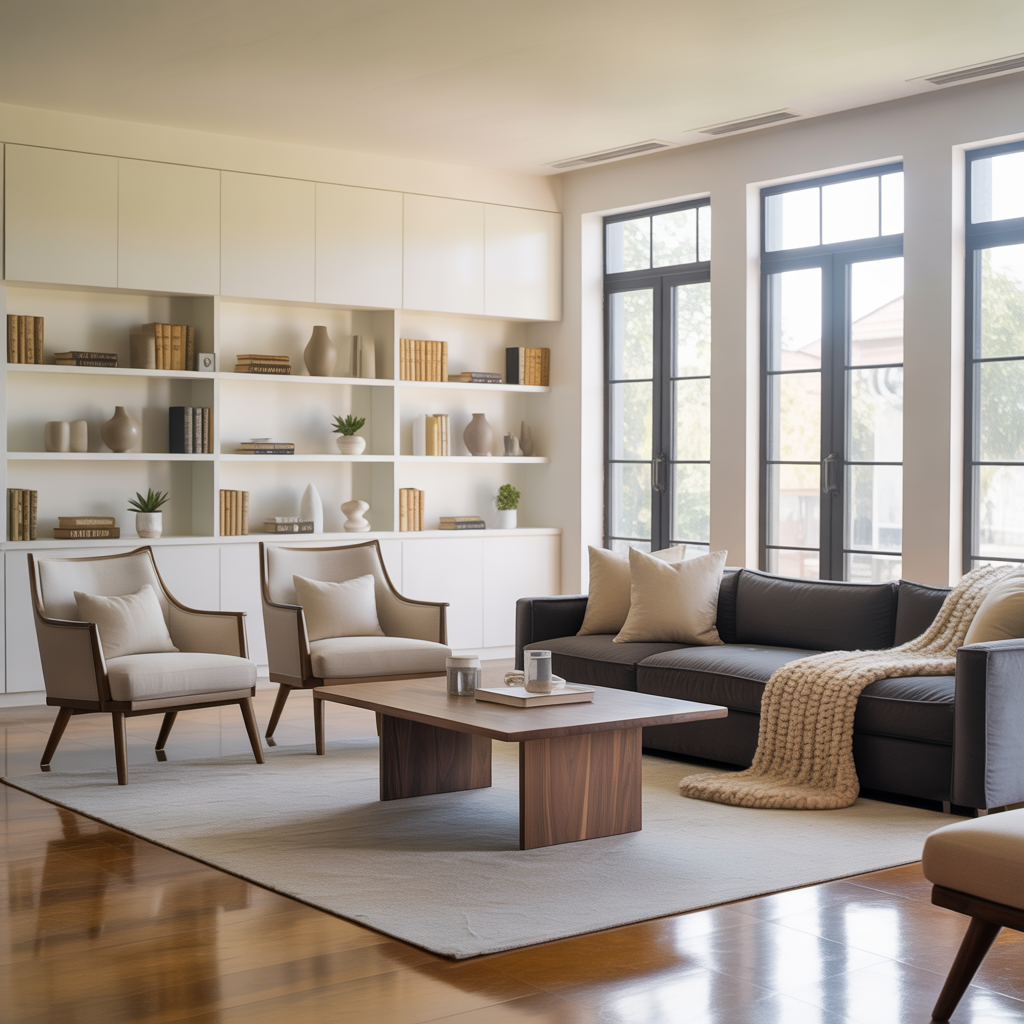
Once your sofa is selected, the next step is to add accent chairs, coffee tables, and storage solutions. These supporting pieces balance the room and create a functional cohesive living space. Accent chairs should complement your sofa, and seat heights should be within a few inches to maintain visual balance.
Coffee tables and side tables should be positioned for easy reach. A standard distance is 16–18 inches from the sofa. Storage solutions like media consoles, bookcases, or multifunctional storage ottomans help keep clutter under control while enhancing the room’s function. Designers recommend considering zone planning to define areas for lounging, entertaining, or working. This ensures the room feels organized and purposeful rather than overcrowded.
| Furniture Type | Ideal Placement | Notes |
| Sofa | Centered in seating area | Anchor piece of the living room |
| Accent Chairs | Near sofa, maintain height balance | Can be angled for conversation |
| Coffee Table | 16–18 inches from sofa | Provide surface without blocking pathways |
| Storage Solutions | Against walls or multipurpose | Keep room clutter-free |
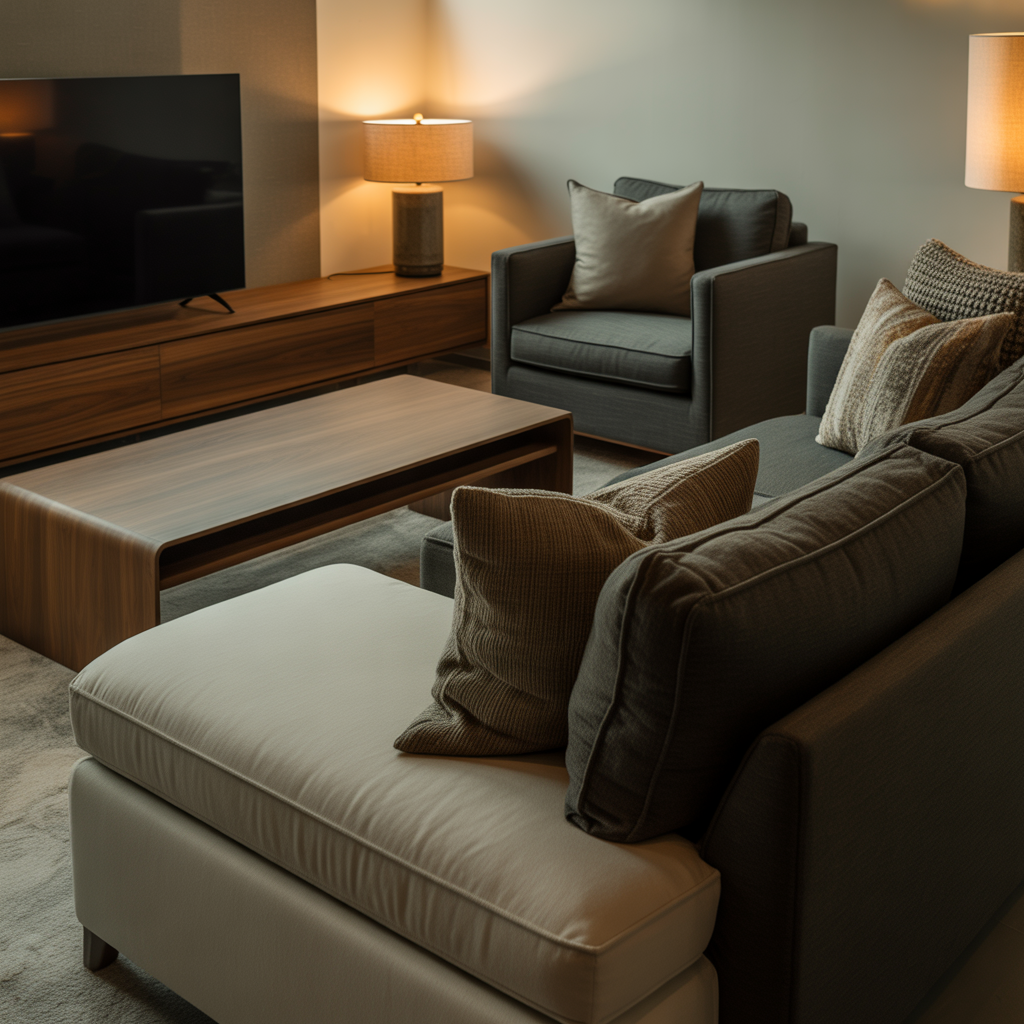
Step 5: Choose Colors and Materials That Match Your Style
Colors and materials play a vital role in achieving a stylish yet functional living room. Choose fabrics, textures, and finishes that complement your home décor and reflect your personal style expression. Textiles and fabrics like linen, velvet, or cotton can create a warm, inviting atmosphere. Mix these with harder surfaces like wood or metal for contrast.
Color palettes should consider wall shades, flooring, and soft furnishings. Neutral tones create a calming environment, while bold accents in pillows, rugs, or chairs add character. Seasonal décor can be swapped easily through textiles, such as warm throws in winter or lighter cushions in summer. Proper selection of colors and materials enhances style and comfort, making the room visually cohesive and practical for everyday living.
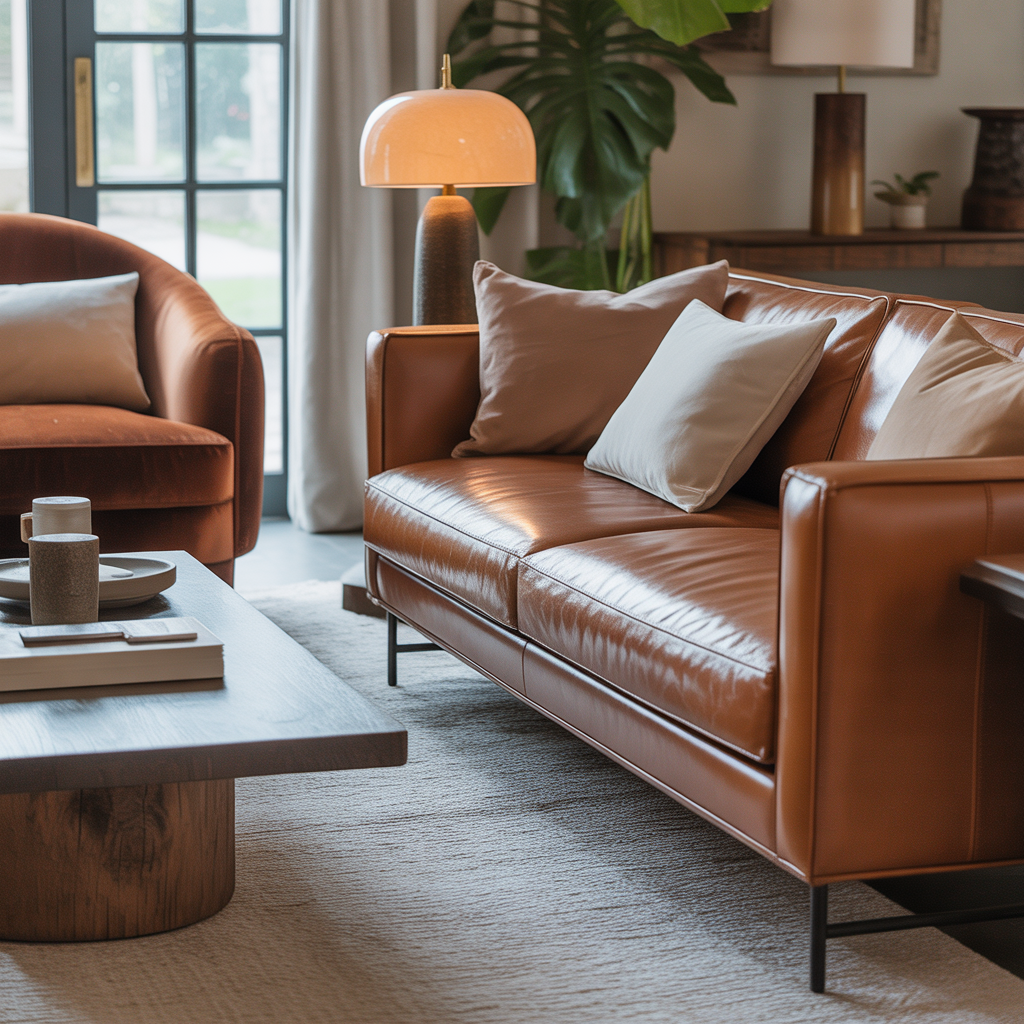
Step 6: Layer with Rugs, Cushions, and Accessories
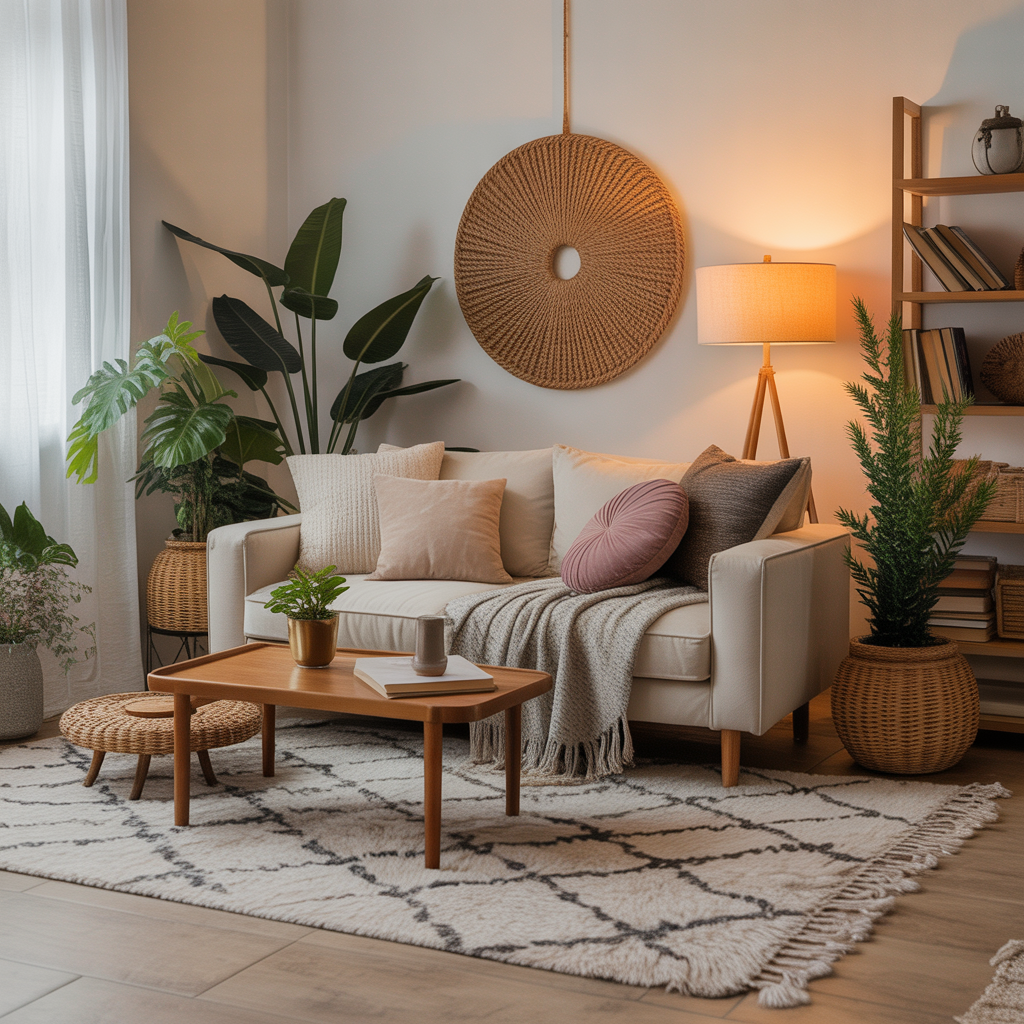
Layering your living room furniture with rugs and pillows, throws, and accessories brings warmth and personality. Rugs define seating areas and anchor furniture. The two-thirds rule is a helpful guideline: your sofa should cover about two-thirds of the rug’s width. Layer soft furnishings like cushions and throws for added comfort and visual interest.
Accessories such as lamps, plants, mirrors, and artwork create a mood and ambiance that makes the room feel lived-in. Mirrors can reflect light and give the impression of more open space, while greenery adds life and freshness. Swapping textiles seasonally, like pillows and throws, refreshes the room without the need for major changes. Thoughtful layering creates a cohesive living space that feels complete and welcoming.
Step 7: Balance Style and Practicality on a Budget
Creating a beautiful living room does not require breaking the bank. Prioritize smart spending on essential pieces like a sofa or a durable rug, which are investment pieces that last years. Save on decorative items like side tables, cushions, and wall décor, which can be updated easily without major costs.
Consider second-hand furniture or thrift stores for unique, budget-friendly finds. Items such as chairs, coffee tables, or accent pieces can often be purchased at estate sales or online marketplaces at a fraction of the cost. Balancing quality vs cost ensures that your living room is both stylish and practical. Budget tips like mixing affordable décor with essential splurges allow you to achieve a room that feels expensive and functional without overspending.
Step 8: Maintain a Cohesive and Inviting Living Room
After furnishing your living room, maintaining it is essential for long-term comfort and style. Furniture placement should be reconsidered periodically to keep traffic flow smooth and ensure areas remain functional. Decluttering regularly prevents the space from feeling crowded and keeps your living room looking fresh.
Routine furniture maintenance is important to extend the life of your pieces. Clean fabrics, polish wood surfaces, and check for wear and tear. A well-maintained room supports comfort and practicality while reinforcing your lifestyle-friendly design. With attention to these details, your living room remains a space that is welcoming, functional, and visually pleasing.
FAQs About Choosing Living Room Furniture
Q1. How much furniture should I have in a living room?
A: You should have enough furniture to make the room functional and comfortable without overcrowding. Focus on key pieces like a sofa, a coffee table, and storage solutions.
Q2. Should I mix furniture styles?
A: Yes, mixing styles works well if you maintain matching colors or materials. For example, a modern sofa can be paired with rustic accent chairs to add character.
Q3. How can I make a small living room functional?
A: Use small-space solutions such as floating furniture, multipurpose pieces, and nesting tables. This creates versatility while maintaining open space.
Q4. What’s the best furniture for family living rooms?
A: Choose durable furniture that can withstand daily use, like microfiber sofas or wooden coffee tables. Multipurpose storage ottomans are ideal for toys or blankets.
Q5. How often should I refresh my living room?
A: You can refresh seasonally by swapping textiles, adding new throws, cushions, or small décor pieces. This keeps the room feeling vibrant and updated.
Final Tips for a Living Room That Feels Like Home
Always measure before buying to avoid mistakes. Your sofa for living room should be comfortable and functional above all else. Invest in pieces that match your lifestyle and allow for comfort and relaxation. Layer soft furnishings, consider small-space solutions, and maintain a balance between style and practicality. Personalize your living room with meaningful décor, family photos, and cozy touches. A well-planned living room furniture layout combined with thoughtful styling creates a cohesive living space that reflects your personality and supports your daily life.

 By
By