
A master bedroom is more than just a place to sleep. It is the most personal room in the home and should feel calm, welcoming, and relaxing the moment you walk in. The best master bedroom ideas focus on comfort, balance, and thoughtful design rather than expensive furniture or heavy decoration. A well-designed master bedroom feels peaceful, looks beautiful, and supports better rest every day.
Today, many homeowners in the USA want bedrooms that feel like a quiet retreat from busy life. Pinterest trends clearly show a growing love for cozy spaces, warm colors, soft lighting, and hotel-inspired comfort. When all these elements work together, the bedroom becomes a place where both the body and mind can relax.
Choose the Right Bed and Layout First
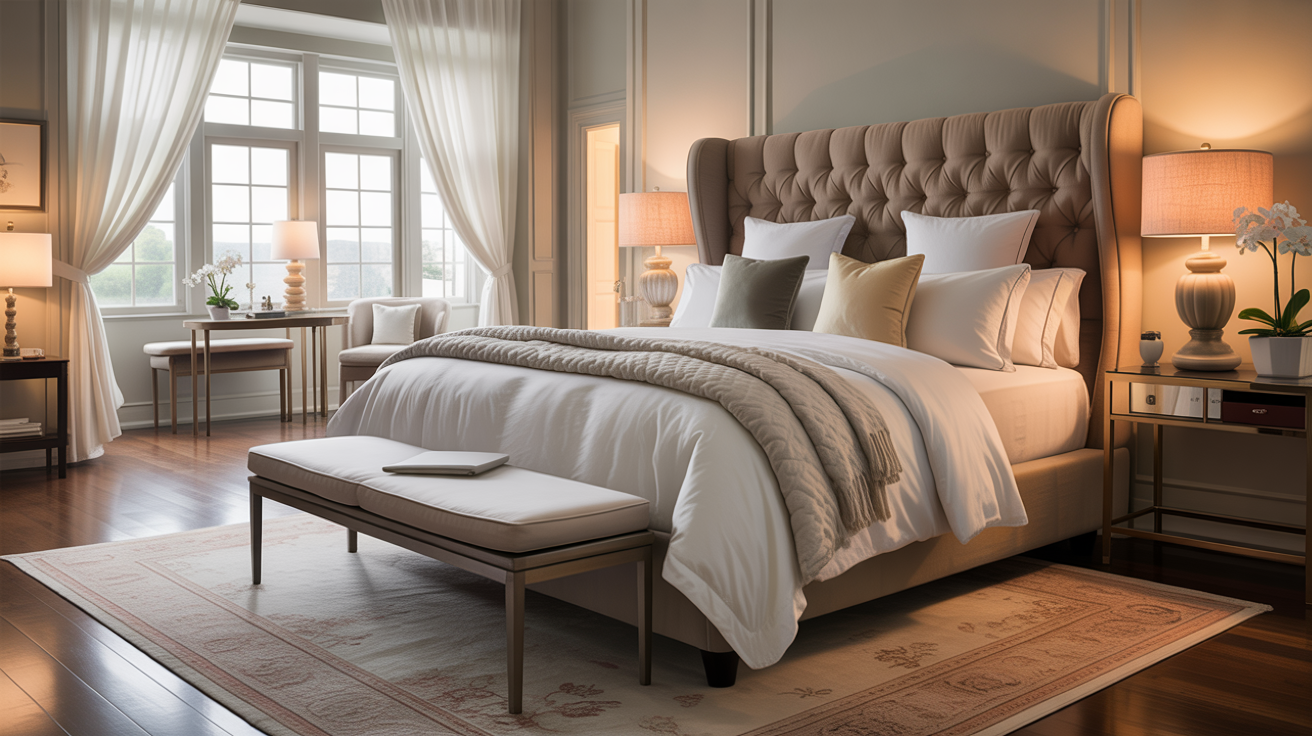
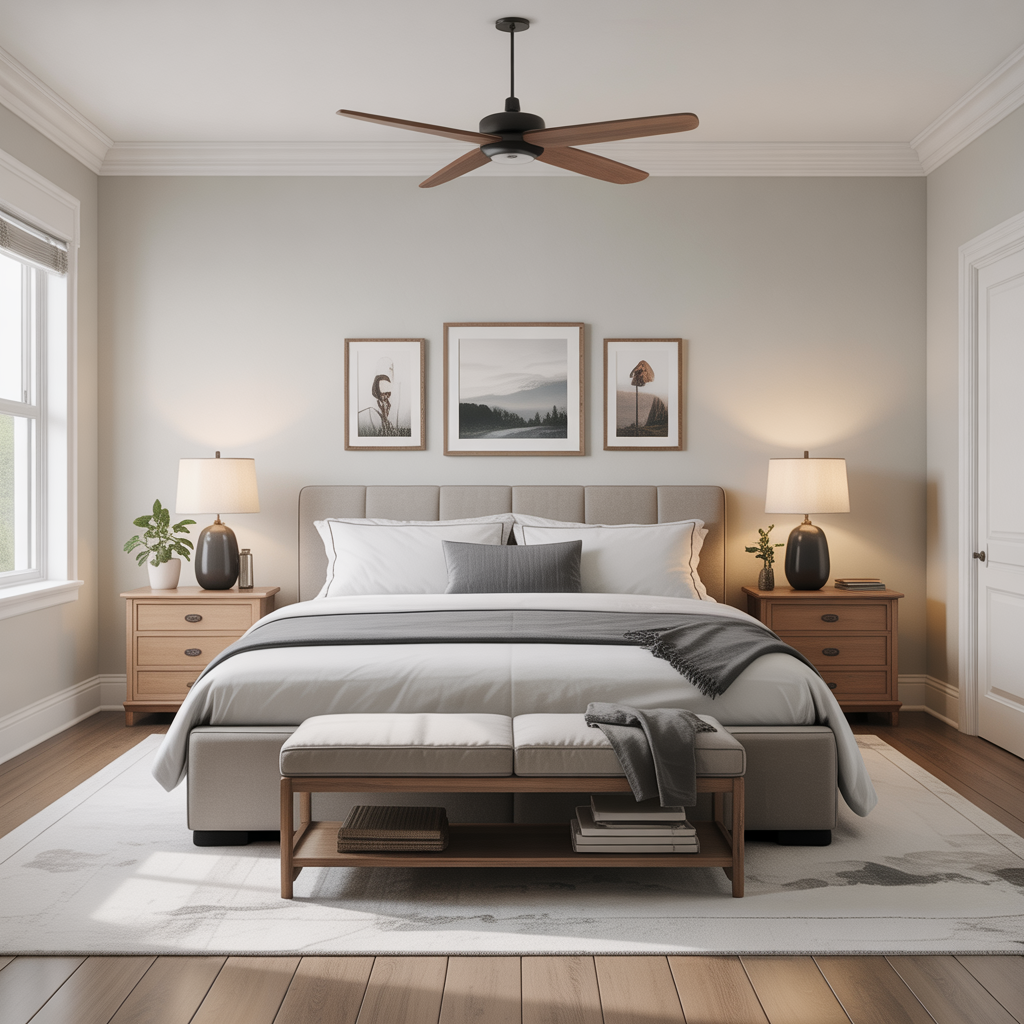
The bed is the heart of the master bedroom and sets the tone for the entire space. A well-chosen bed instantly makes the room feel balanced and complete. In most homes, a queen or king-size bed works best because it offers comfort without making the room feel crowded. The bed should always feel inviting and easy to access from both sides.
Headboards play a big role in the overall look. Upholstered headboards add softness and comfort, while wooden headboards bring warmth and a timeless feel. Wall panels or tall headboards create a more luxurious look and make the room feel professionally designed. The placement of the bed is just as important. Centering the bed on the main wall with equal space on both sides improves movement and creates visual harmony.
Comfort also depends on what is on the bed. High-quality bedding, a supportive mattress topper, and breathable sheets improve sleep quality. Layering sheets, a duvet, pillows, and light throws creates a hotel-like feeling that looks polished but still feels cozy.
Color Schemes That Make a Master Bedroom Feel Calm and Luxurious
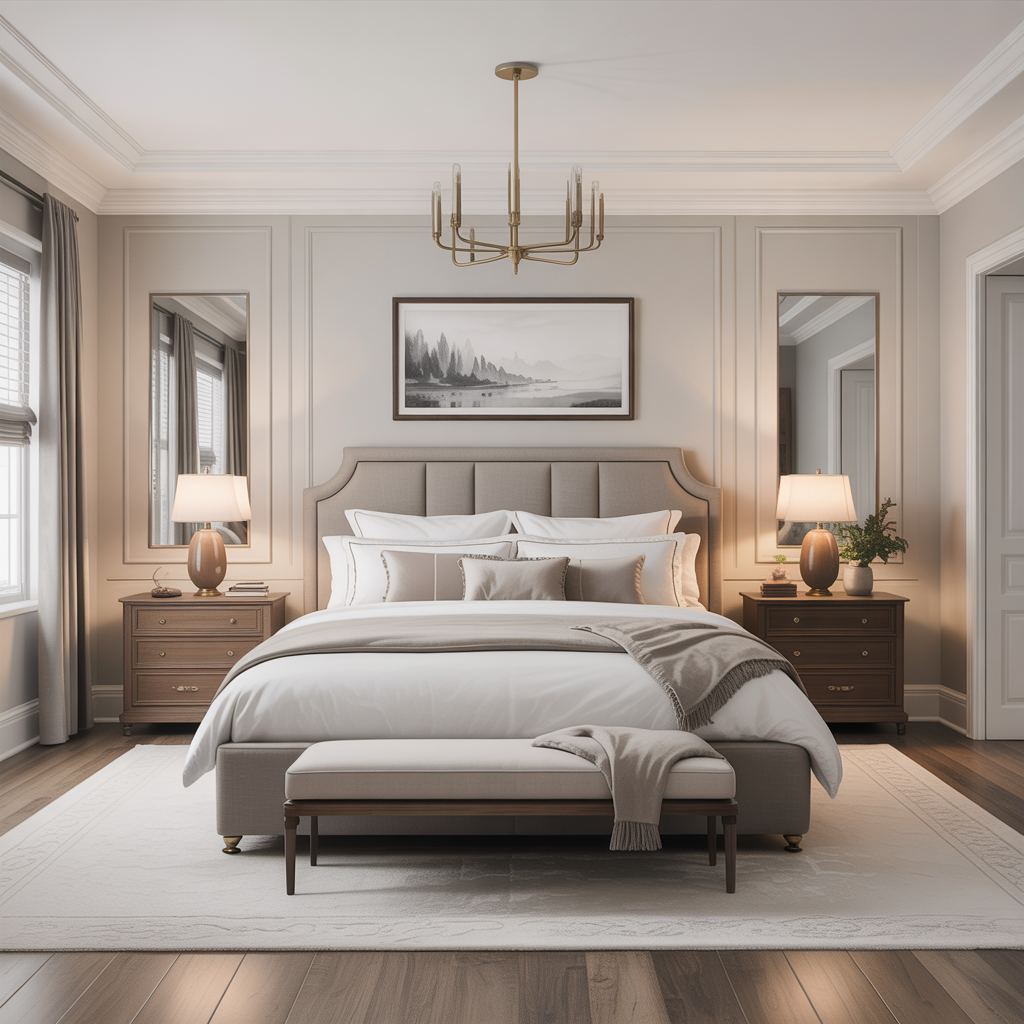
Color has a powerful effect on mood and sleep. The most relaxing master bedrooms use soft, natural colors that feel gentle on the eyes. Warm whites, beige, cream, and light taupe are popular because they reflect light softly and make the room feel open and peaceful.
Earthy tones such as clay, sand, and soft brown add warmth and depth without feeling heavy. Muted greens and light blues are also excellent choices because they are linked to calmness and stress reduction. Dark colors like charcoal or navy can work beautifully in larger rooms when paired with light bedding and warm lighting.
Accent walls are a great way to add personality. A single painted or textured wall behind the bed adds interest without overwhelming the space. Lighter colors help small bedrooms feel bigger, while darker tones make large bedrooms feel cozy and intimate.
Lighting Ideas That Instantly Upgrade the Bedroom Atmosphere
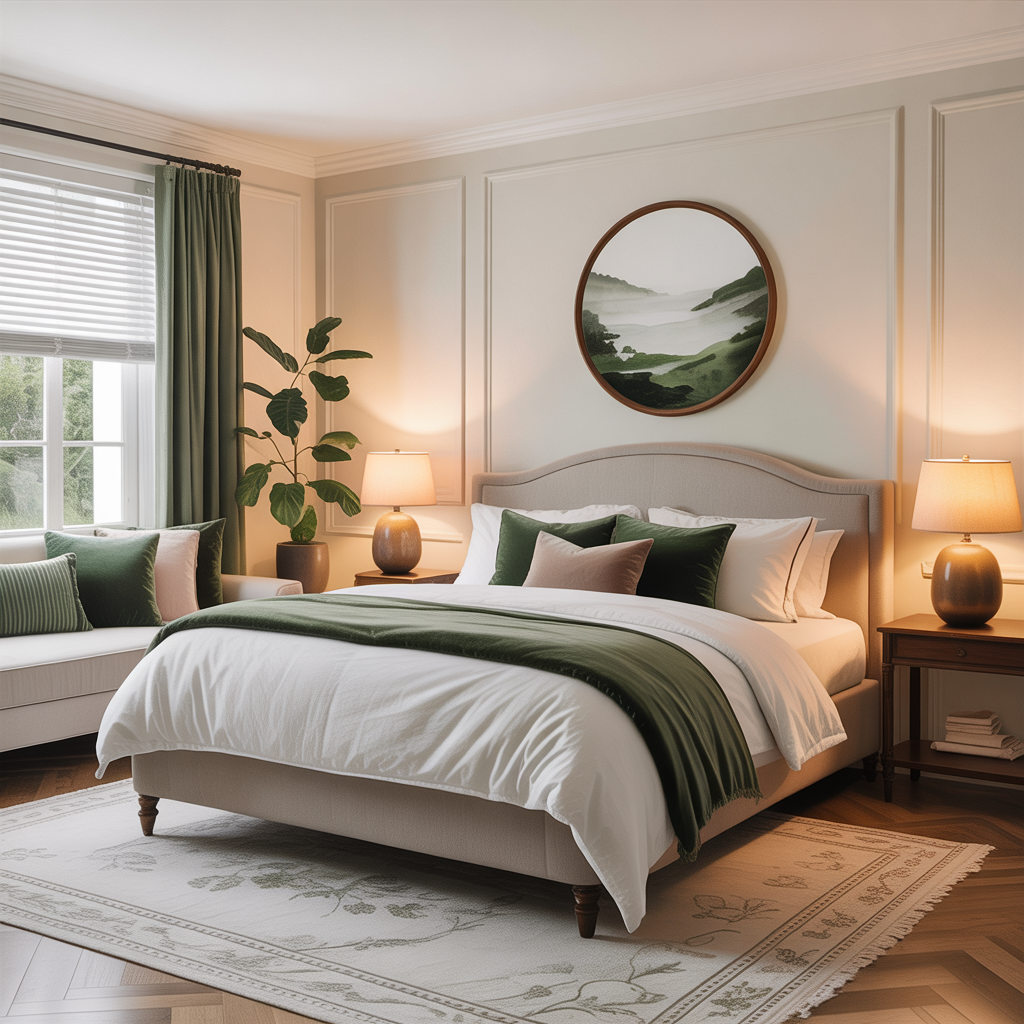
Lighting can completely change how a bedroom feels. A single overhead light often makes the room look flat and harsh. The most comfortable bedrooms use layered lighting to create warmth and depth.
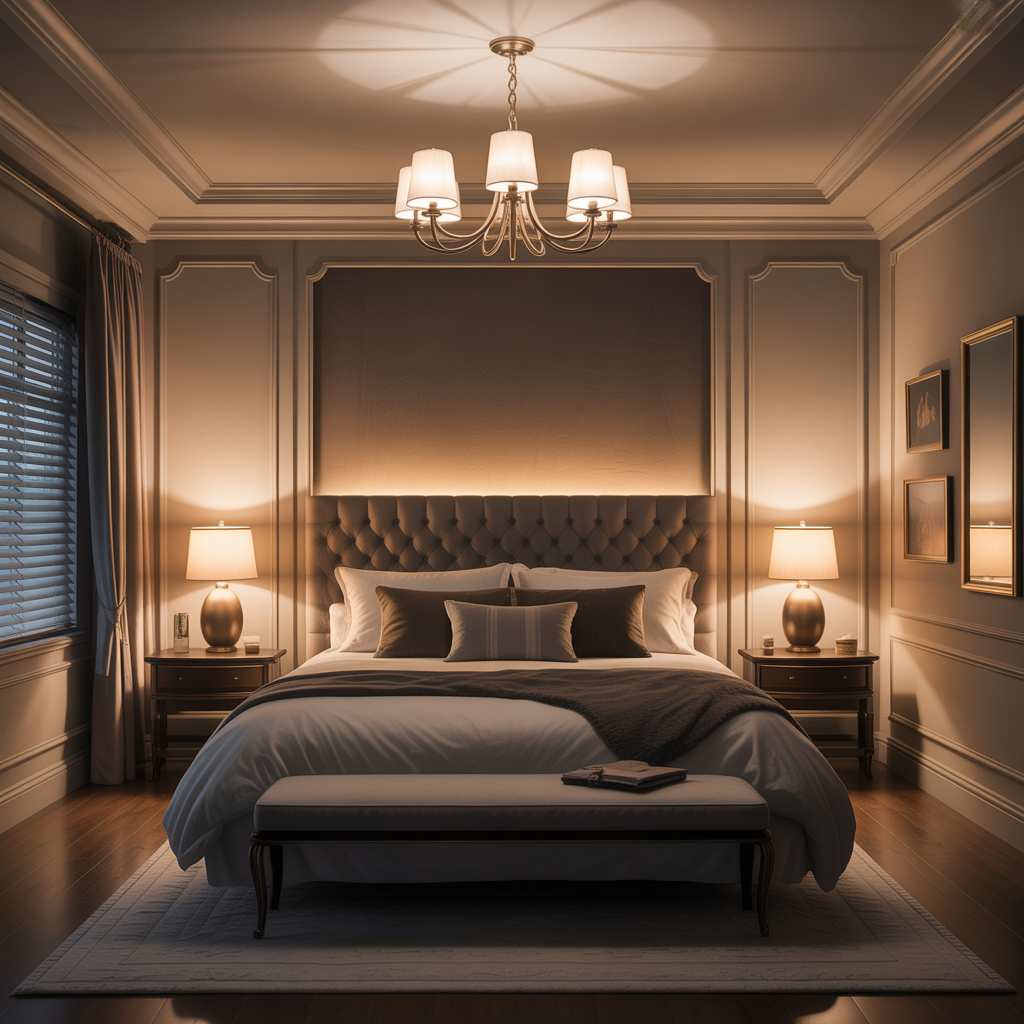
Soft overhead lighting provides general brightness, while bedside lamps support reading and nighttime routines. Accent lighting adds a gentle glow and makes the room feel more inviting. Warm-toned bulbs are best for bedrooms because they support relaxation and better sleep. Adding dimmers allows you to adjust the light level based on the time of day and mood.
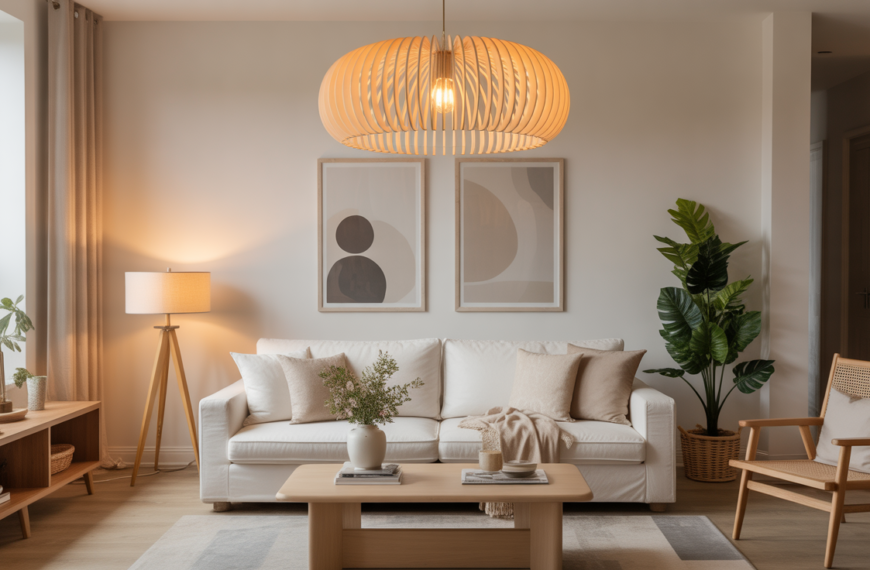
A statement ceiling light or chandelier can also act as a design feature and elevate the entire room. Good lighting makes even simple décor look more polished and intentional.
Flooring and Rugs That Add Warmth and Comfort
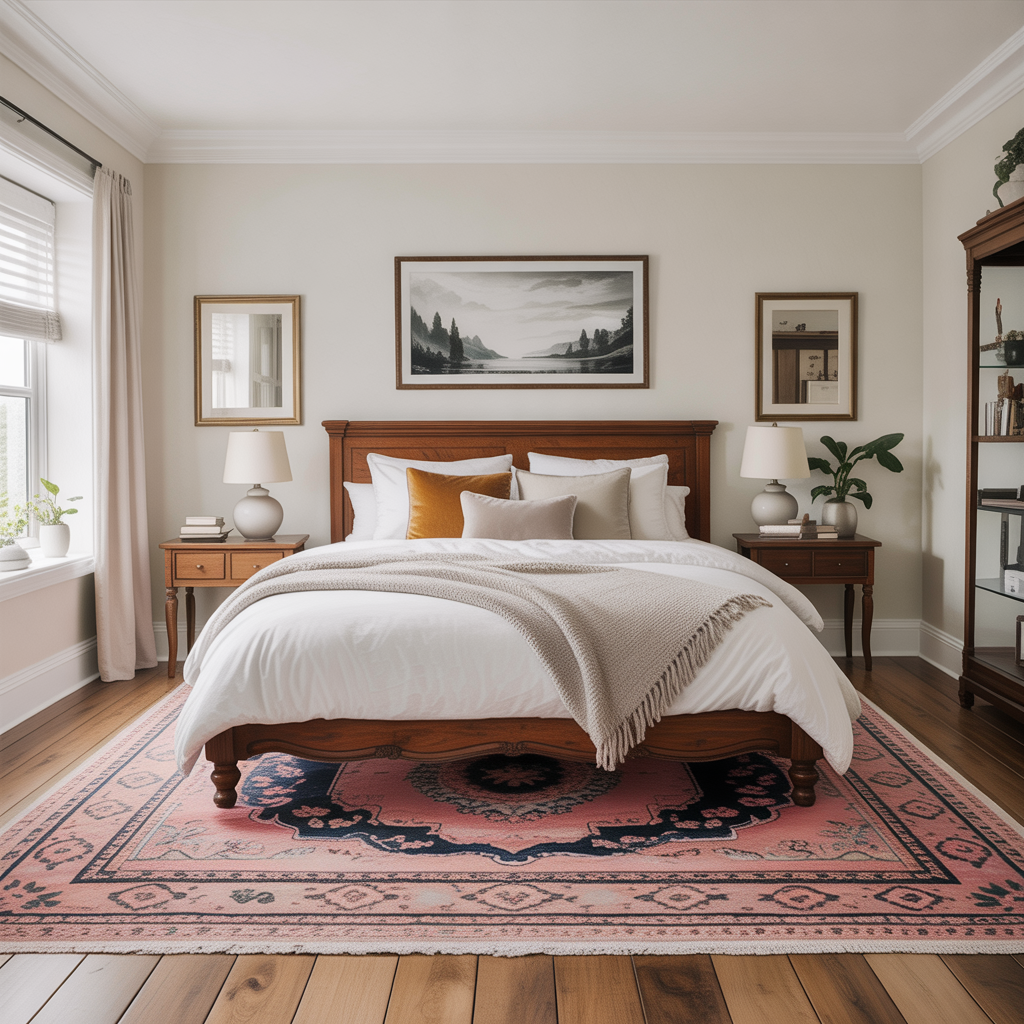
Flooring is the foundation of the bedroom and strongly affects comfort. Hardwood floors are common, but without rugs they can feel cold. Adding a rug under the bed instantly softens the space and makes it feel warmer and more inviting.
Rugs should extend beyond the sides and foot of the bed to create balance. Soft rugs feel luxurious underfoot, while flat-weave rugs offer a clean and modern look. Natural materials like wool and jute are durable and timeless. In smaller rooms, runners placed on each side of the bed also work well.
Common rug sizes used in master bedrooms:
Bed Size: Queen
Recommended Rug Size: 8 x 10 feet
Bed Size: King
Recommended Rug Size: 9 x 12 feet
Wall Design Ideas That Make the Room Feel Finished
Walls should never feel empty or ignored. Thoughtful wall design helps the bedroom feel complete and well-planned. Paint is the simplest option, but removable wallpaper is becoming very popular, especially for renters who want bold design without permanent changes.
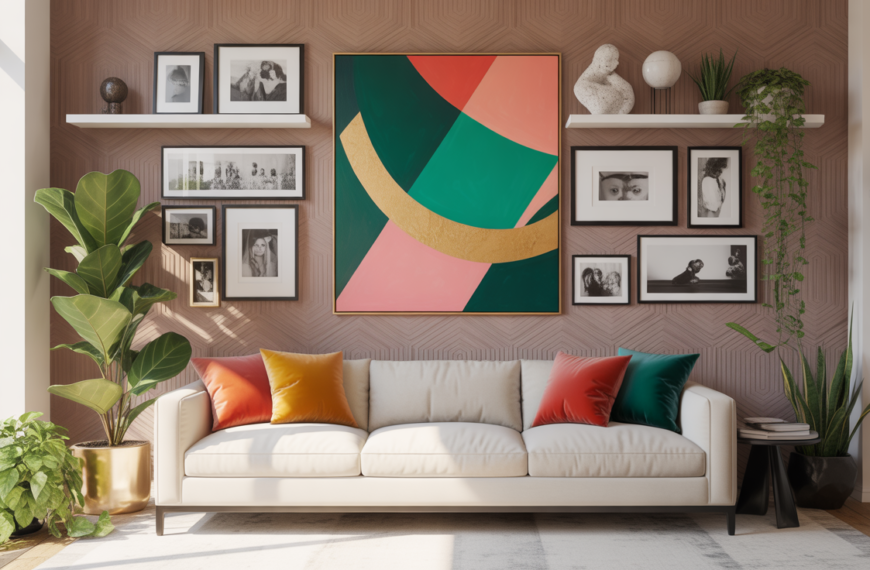
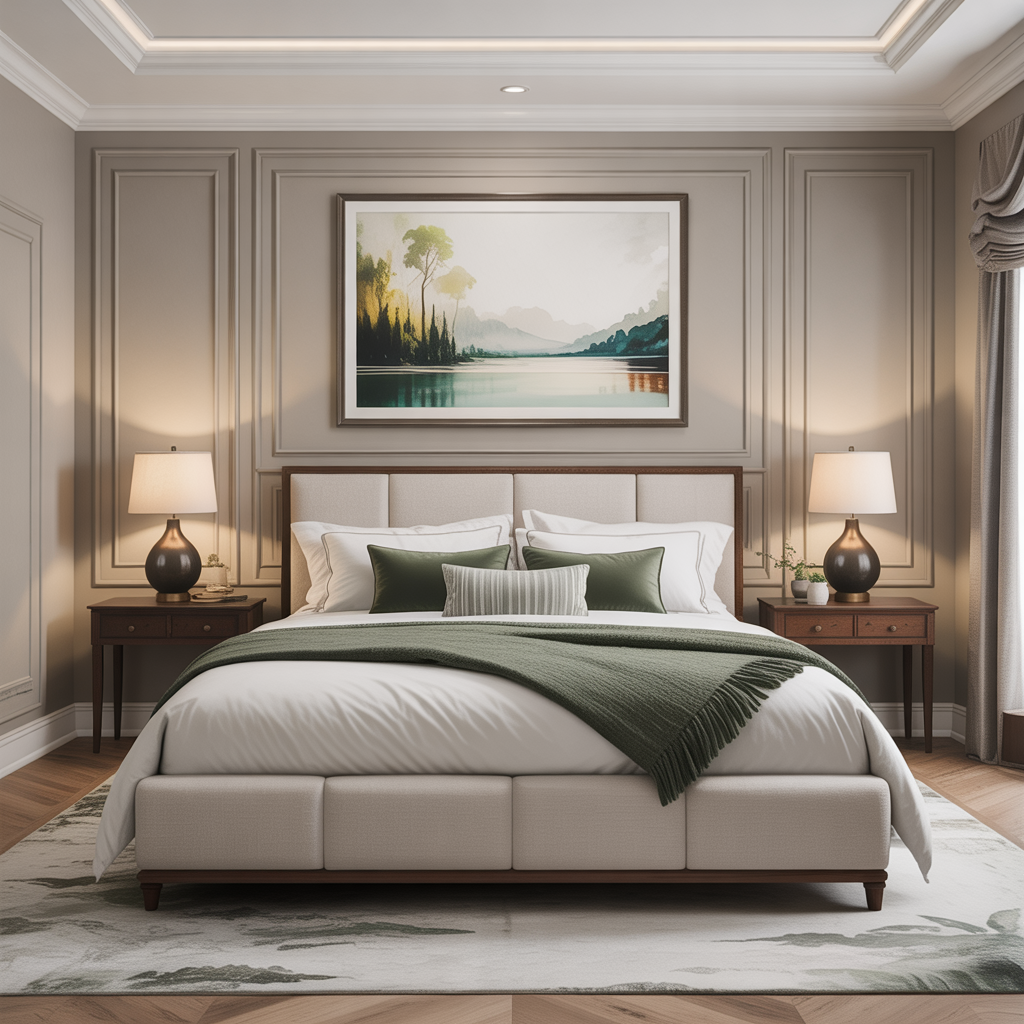
Textured walls, upholstered panels, or subtle wall trims add depth and softness. Artwork also plays an important role. One large piece above the bed or a simple gallery arrangement adds personality and balance. The goal is to decorate without cluttering, keeping the space calm and visually clean.
Textiles and Bedding That Add Hotel-Like Comfort
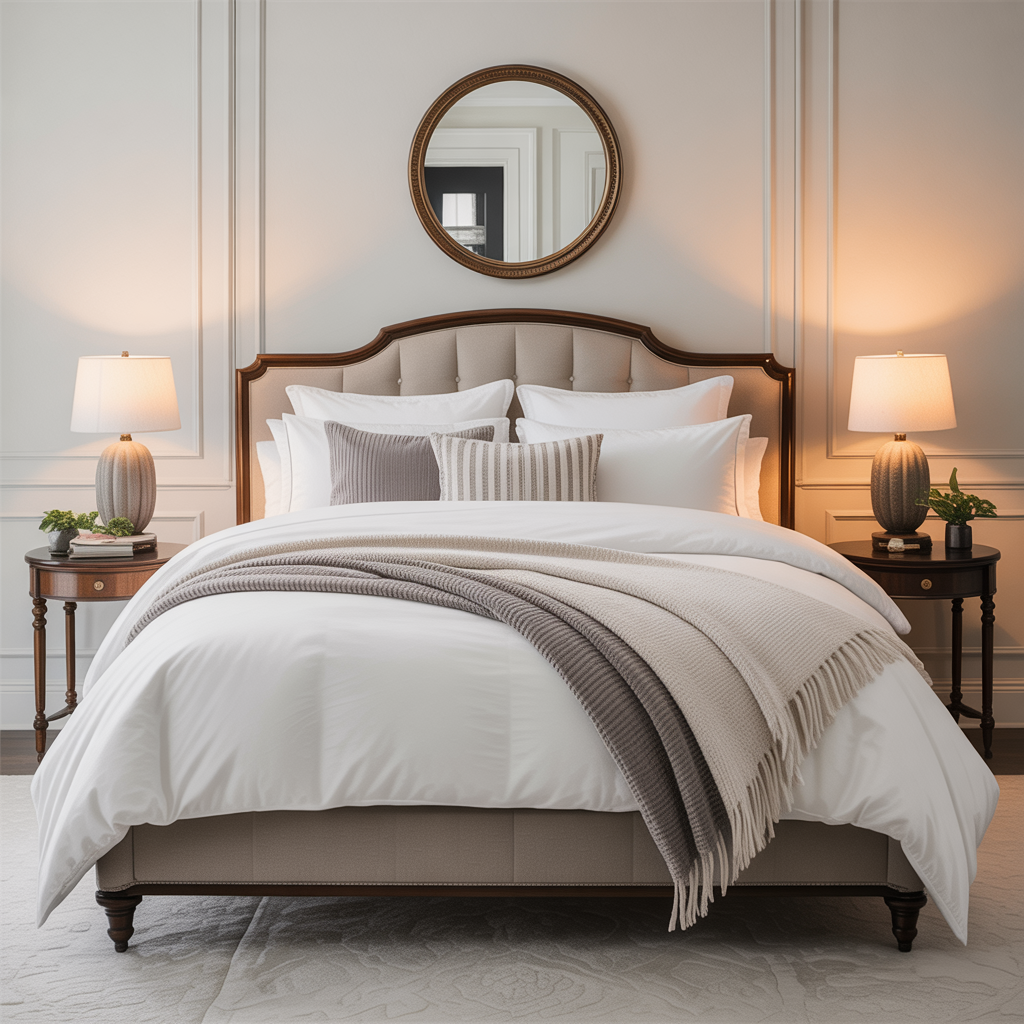
Luxury is often felt through texture. Soft fabrics make a bedroom feel warm and inviting. High-quality bedding, layered blankets, and plush pillows create a comfortable sleeping environment. Mixing textures such as cotton sheets, linen curtains, and velvet cushions adds depth without overwhelming the room.
Blackout curtains improve sleep by blocking light, while full-length curtains make the room feel taller and more elegant. Changing bedding with the seasons keeps the space fresh and comfortable all year.
Storage and Furniture Ideas for a Clutter-Free Master Bedroom
A clutter-free bedroom supports better rest and mental calm. Furniture should match the size of the room so the space does not feel crowded. Nightstands, dressers, and wardrobes should offer enough storage without overpowering the layout.
Under-bed storage is a smart solution for extra items and keeps the room organized. Adding a bench or chair provides function and comfort, especially in larger bedrooms. When everything has its place, the room feels open, calm, and easy to enjoy.
Personal Touches That Make the Bedroom Feel Truly Yours
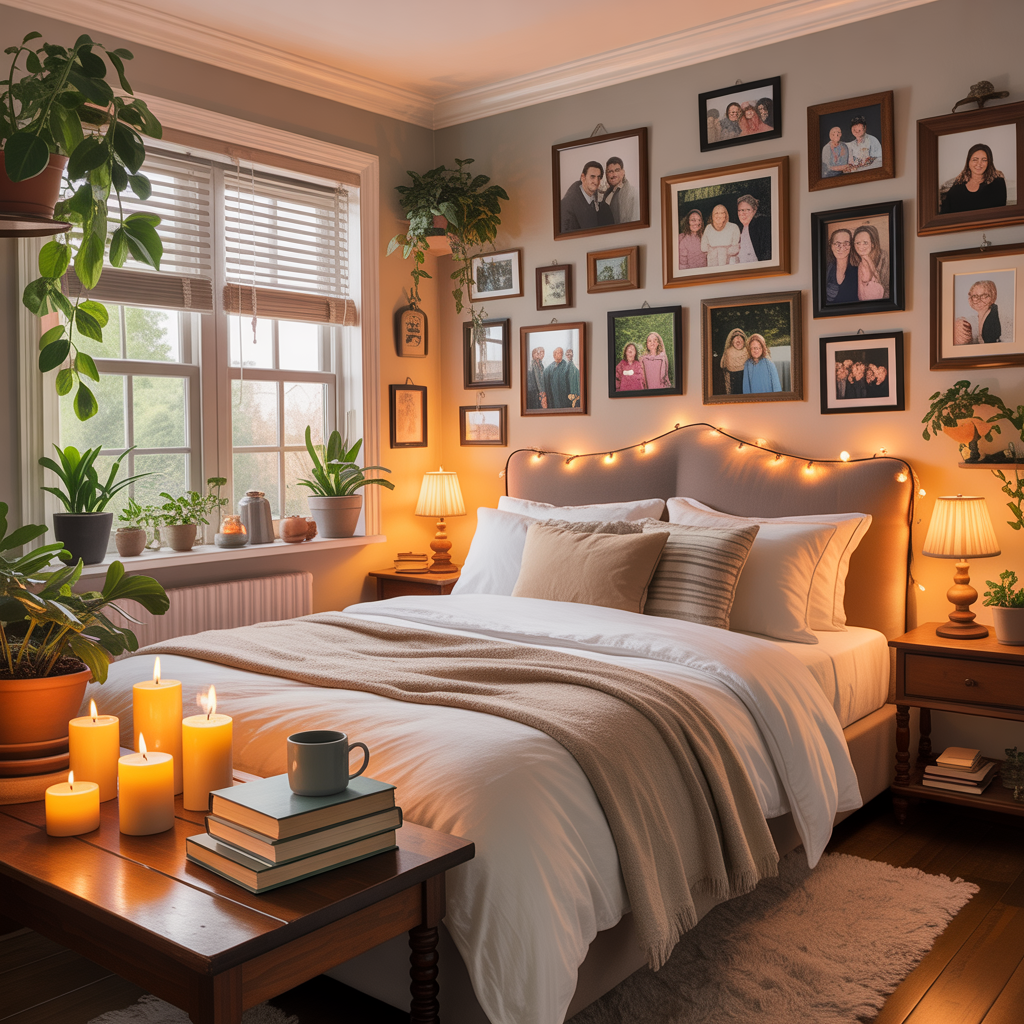
Personal details turn a beautiful room into a meaningful one. Photos, books, candles, and small decorative objects tell your story and make the bedroom feel lived in. Travel souvenirs, framed memories, or favorite artwork add warmth and character.
Plants are another great addition. They improve air quality and bring life into the space. The key is moderation. Too many items can feel overwhelming, while carefully chosen pieces create balance and comfort.
FAQs About Master Bedroom Design
Q1. What Is the Best Layout for a Master Bedroom?
A: The best layout places the bed in the center of the main wall with clear walking space on both sides, creating balance and comfort.
Q2. Which Colors Work Best in a Master Bedroom for Better Sleep?
A: Warm neutrals, soft greens, and light blues work best because they create a calm environment that supports relaxation and sleep.
Q3. How Can I Make My Master Bedroom Look Luxurious on a Budget?
A: Layered bedding, warm lighting, a well-sized rug, and simple wall décor can make a big impact without high cost.
Q4. What Type of Lighting Is Ideal for a Master Bedroom?
A: A mix of ambient, bedside, and accent lighting with warm bulbs creates a cozy and practical bedroom atmosphere.
Q5. Is Luxury Bedding Really Worth Investing In?
A: Yes, quality bedding improves comfort, temperature control, and sleep quality, making it a valuable long-term upgrade.
Final Thoughts
A beautiful master bedroom is built on comfort, balance, and intention. Small changes such as better lighting, layered bedding, and thoughtful color choices can completely transform how a room feels. When designed with care, the master bedroom becomes a peaceful retreat that supports rest, wellness, and everyday comfort.


 By
By