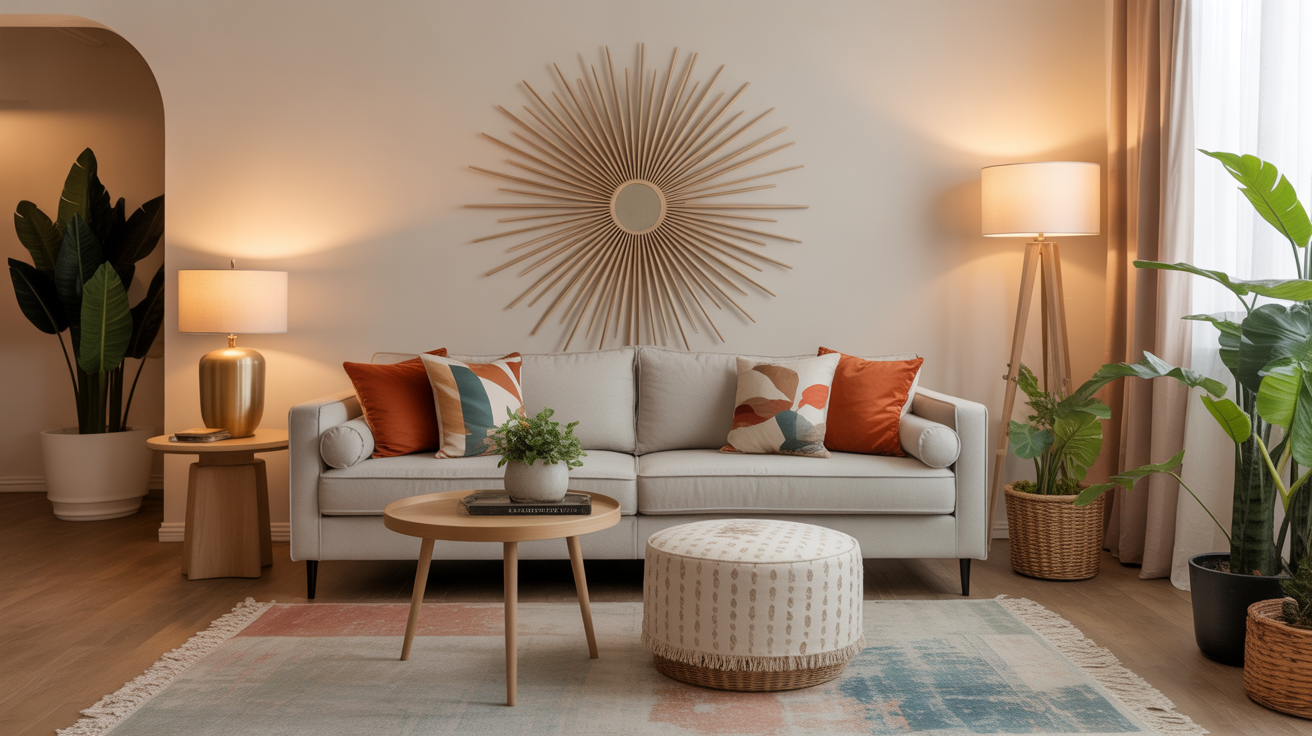

Styling your living room like a professional designer doesn’t mean you have to spend a fortune. Many people think professional interior design requires expensive furniture and endless accessories. The truth is, with some professional interior design tips, a little creativity, and smart choices, you can transform your living room into a space that is stylish, cozy, and Pinterest-ready. From choosing a focal point in living room to layering textures and lighting, every decision you make can help you create a living room that looks intentional and thoughtfully styled. This guide will show you how to style a living room without spending a lot while still making it feel like a professional designer’s touch.
Start With a Focal Point
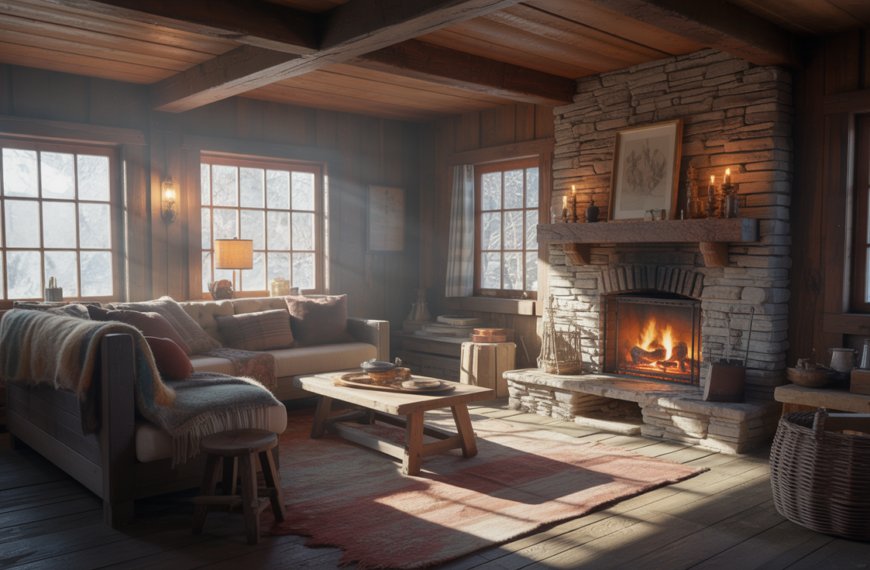
Every beautiful living room starts with a focal point. This could be a fireplace, a large sofa, a striking piece of artwork, or a bold window treatment. The focal point is what draws the eye and anchors the room. When you have a clear focal point in living room, arranging furniture and decor around it becomes easier and more natural. For example, if your focal point is a fireplace, arrange seating to face it, layer a rug underneath, and place accent pieces like a coffee table or side chairs around it. If your focal point is a large mirror above your sofa, you can highlight it further with lamps on either side and a statement rug beneath. Designers often say that arranging furniture around a focal point is one of the easiest ways to create balance and make a room feel cohesive. By starting here, you are already halfway toward professional styling and intentional and thoughtful styling.

Create Balance Without Overmatching
Many people confuse symmetry with balance. True room balance and symmetry comes from distributing visual weight across the space without making every piece identical. You don’t need twin chairs, matching lamps, and identical tables to make a room look good. Instead, you can mix old and new furniture, different patterns, or various finishes to create harmony. For instance, pairing a large modern sofa with a vintage chair and a textured side table can give a room personality while maintaining balance. Tall plants can balance a heavy bookshelf on the other side of the room. This principle works for both small and large spaces. When you learn to balance furniture without symmetry, your living room looks polished, professional, and inviting, even without spending much money.
Layer Textures and Materials
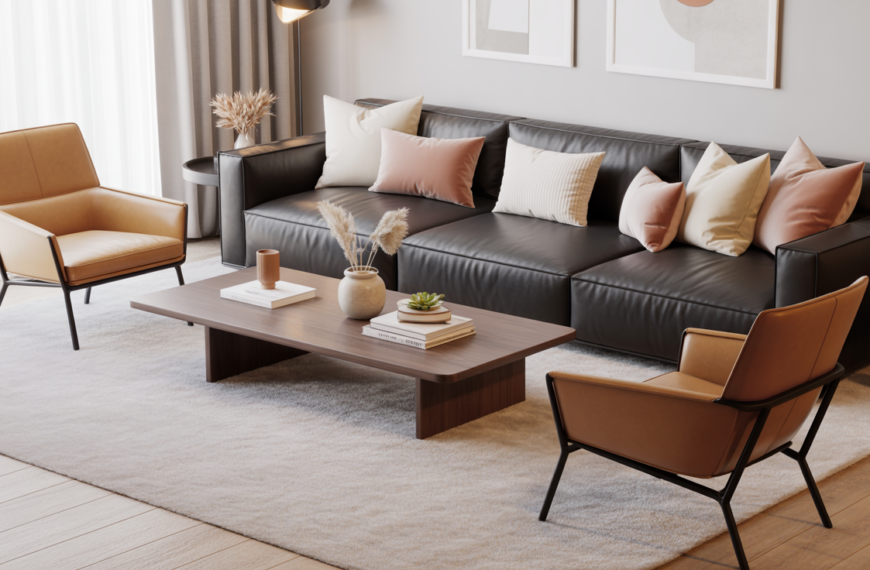
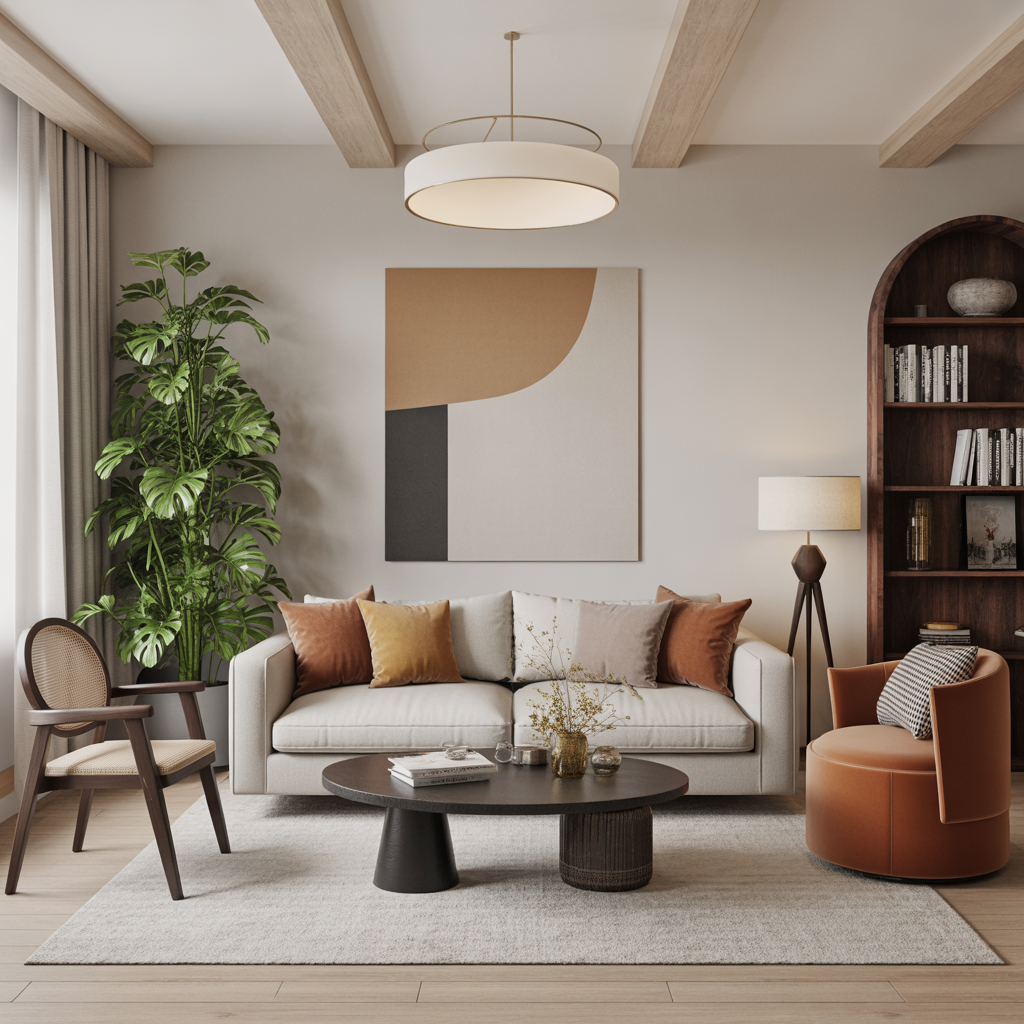
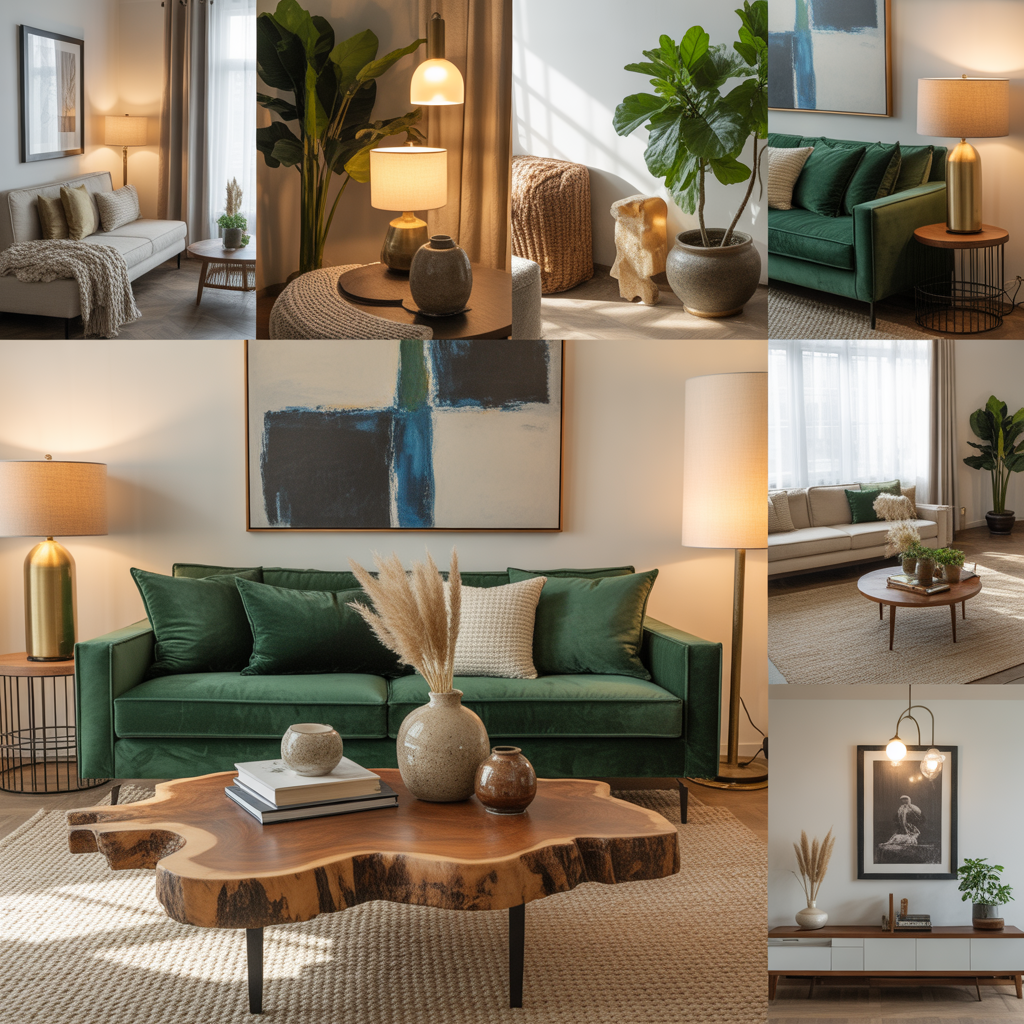
One of the key secrets of professional interior design tips is layering textures. A living room that feels flat is missing depth. By combining different fabrics, materials, and finishes, you can make a space feel dynamic and stylish. For example, placing a velvet cushion on a leather sofa, a jute rug under a sleek coffee table, or a faux fur throw over a neutral chair instantly adds character. Layering textures also works with metals and woods. Brass lamps, wooden shelves, and chrome accent pieces can all mix to create visual interest. Designers recommend at least three different textures in a single sitting area. This simple method of layer textures for depth and interest is one of the easiest ways to make a living room look curated and professional. Even with affordable home styling, layering textiles and finishes can elevate the overall look dramatically.

Build a Cohesive Color Story
A professional living room is never a chaotic mess of colors. The key is to create a cohesive color story. Start with one dominant color for the walls or larger pieces, choose a secondary color for furniture or rugs, and use one accent color for smaller items like cushions, vases, or art. For example, a cream sofa with soft green pillows and brass accents can instantly feel elevated. Too many clashing colors, such as teal, mustard, pink, and navy together, can make the space overwhelming. Designers recommend sticking to three main colors and repeating them throughout the room to tie everything together. Color palette for living room planning is essential to achieve this harmony. Even if you can’t repaint or buy new decor, you can edit your items seasonally to maintain a clean, cohesive look. Properly executed, this technique can make even a small living room feel spacious, harmonious, and intentional and thoughtful.

Lighting Matters: Mix Function and Style
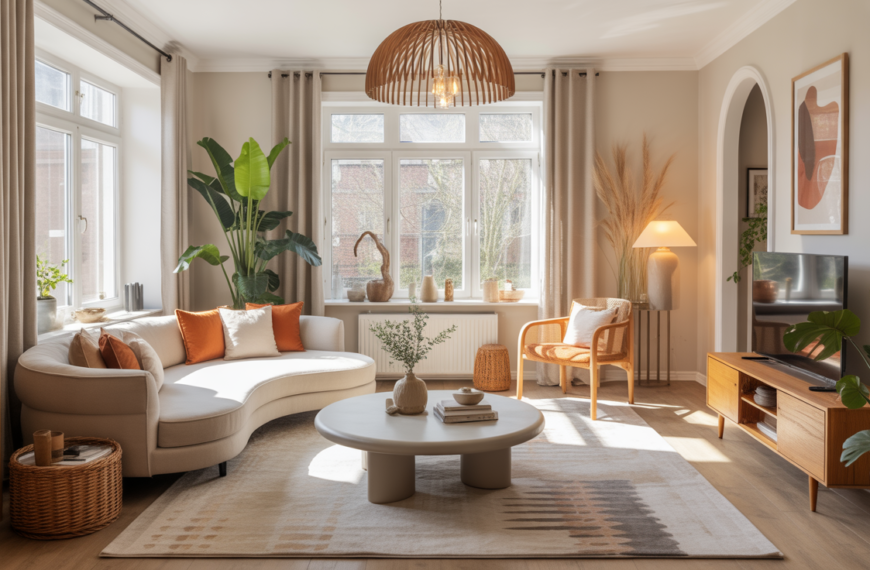
Interior lighting ideas are often overlooked, but lighting is one of the most transformative elements of a living room. Designers use layered lighting techniques to create depth, mood, and functionality. Layered lighting combines ambient light, such as ceiling or overhead fixtures, task lighting like floor lamps and reading lights, and accent lighting such as wall sconces, candles, or string lights. This approach ensures that a living room looks bright and welcoming during the day and cozy in the evening. For small spaces, layering light can also create the illusion of openness. Even budget-friendly options, like candles or DIY lamps, can help you achieve professional-level styling. By focusing on lighting that enhances mood and space, you can instantly make your room feel warm, inviting, and magazine-worthy.

Add Personality With Accessories
Accessories are what make a living room truly yours. Home accessories styling involves adding items that show personality without cluttering the space. Rugs, cushions, artwork, plants, and carefully curated decorative objects can transform a neutral room into a cozy and welcoming space. Photos from travels, unique vases, or even a woven basket can spark conversation and add character. Designers emphasize rotating accessories seasonally to keep the room fresh and vibrant. Knowing how to add personality with accessories ensures that your living room feels lively, personal, and professionally styled, even if your budget is limited.
Furniture Layout Tips From Designers
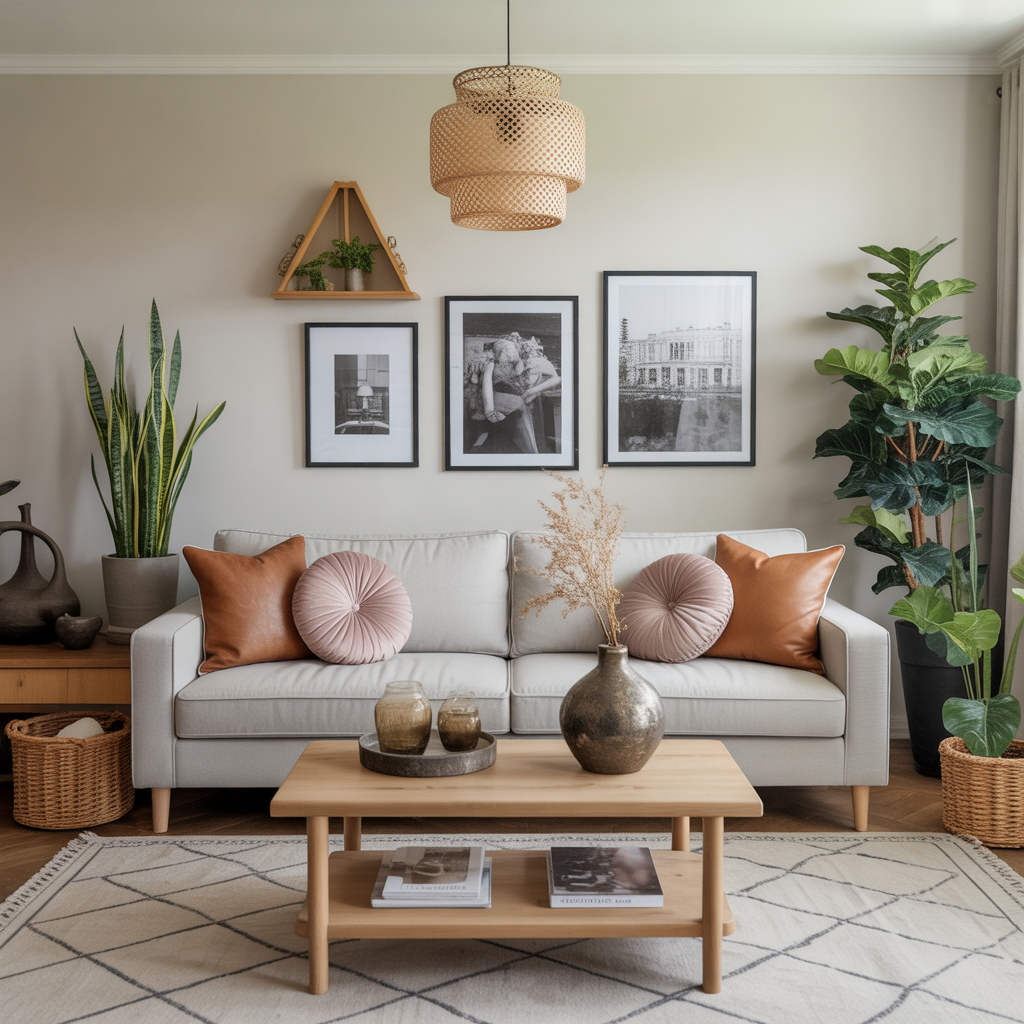
How you arrange furniture can make or break a living room. Furniture arrangement tips from designers focus on traffic flow, scale, and balance. Ensure that people can move around easily without bumping into furniture, and consider the size of each piece relative to the room. Use rugs to define seating areas and create natural zones for conversation or relaxation. Even small adjustments, like angling a chair slightly or placing a coffee table in the center, can make a room feel intentional and well-planned. Learning how to arrange furniture around a focal point will help you create a professional layout without spending a fortune. Proper layout also contributes to cozy living room ideas, making the space both functional and stylish.

Edit Like a Stylist
Styling a living room isn’t just about adding things; it’s also about knowing what to remove. Edit clutter for a polished look by keeping surfaces clean and only displaying items that truly enhance the room. Too many accessories can make even the most carefully decorated space look messy. Designers suggest limiting items on coffee tables, shelves, and mantels to one or two intentional pieces. Regularly rotating accessories or storing seasonal decor can help maintain a fresh, professional look. Following this principle of intentional and thoughtful styling ensures your living room always feels curated, comfortable, and welcoming.
Final Tips to Style Your Living Room Like a Pro
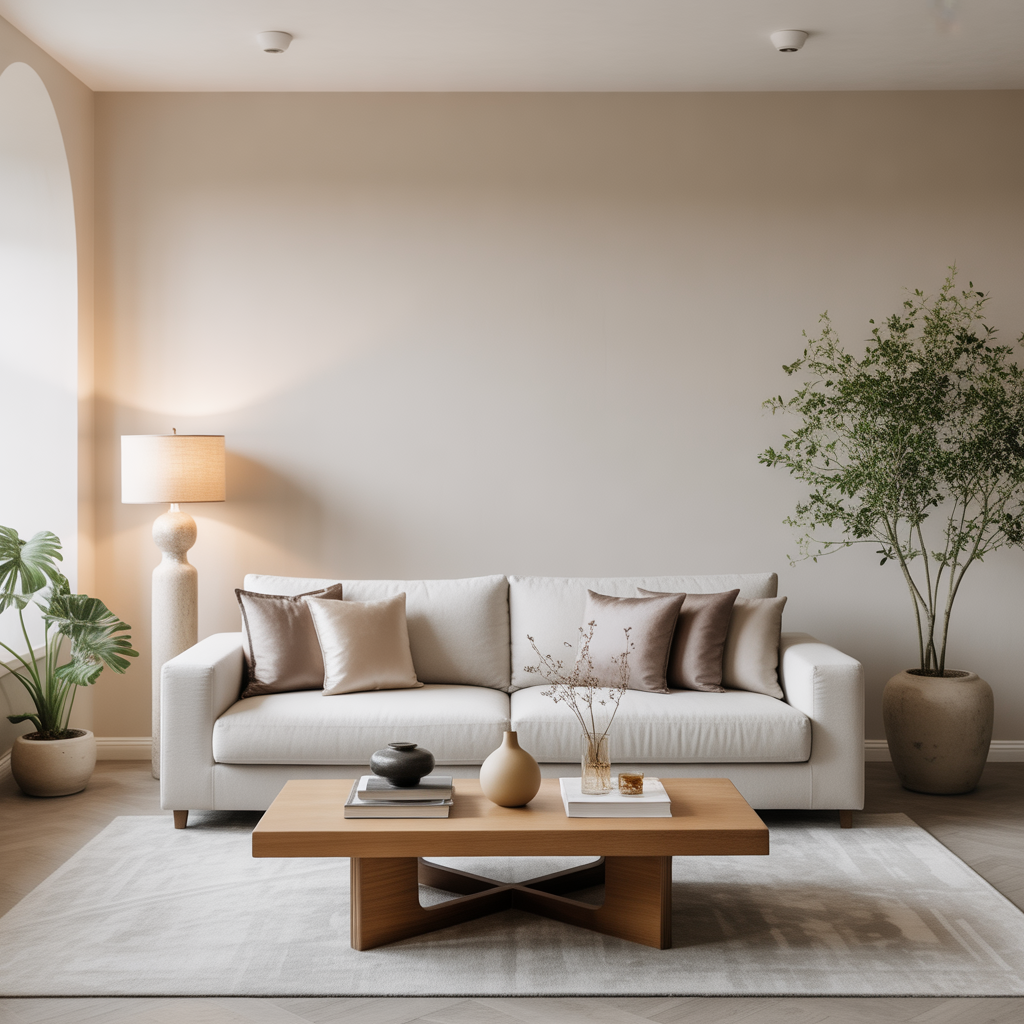
Styling a living room like a pro requires a mix of planning, creativity, and attention to detail. Always start with a focal point, maintain balance, layer textures, and stick to a cohesive color story. Focus on layered lighting and meaningful accessories, arrange furniture thoughtfully, and don’t be afraid to edit what you don’t need. Experiment with patterns, materials, and finishes to make the space dynamic. Remember that even on a small budget, you can achieve stylish yet budget-friendly decor that looks like it belongs on Pinterest. The key is intentional and thoughtful styling, mixing elements like a professional, and refreshing the room seasonally to keep it lively. By following these steps, your living room will not only look amazing but feel inviting, cozy, and professionally designed.
FAQs
Q1. How do I choose the right color scheme for my living room?
A: You should pick a dominant color, a secondary shade, and an accent, repeating them across furniture, walls, and accessories for a cohesive look.
Q2. What’s the easiest way to style a small living room?
A: Use multi-functional furniture, light colors, mirrors, and smart layouts to make the space feel open and stylish.
Q3. Can I mix modern and traditional styles in one living room?
A: Yes, balance old and new pieces while keeping a cohesive color palette and textures for harmony.
Q4. How do I update my living room on a budget?
A: Rearranging furniture, adding layered lighting, editing clutter, and swapping accessories can refresh your room without spending much.
Q5. What accessories make the biggest impact in a living room?
A: Statement cushions, artwork, rugs, plants, and unique decor pieces instantly elevate the style and personality of your space.

 By
By