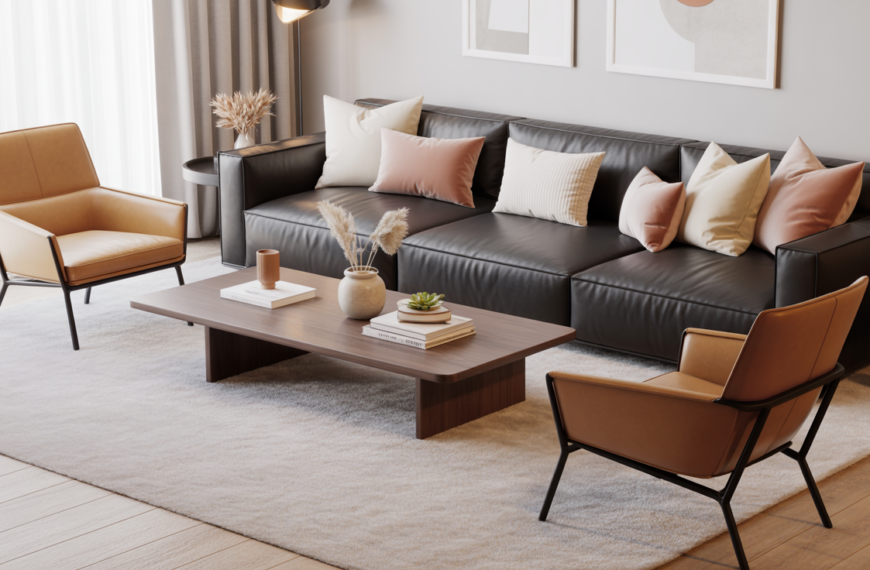
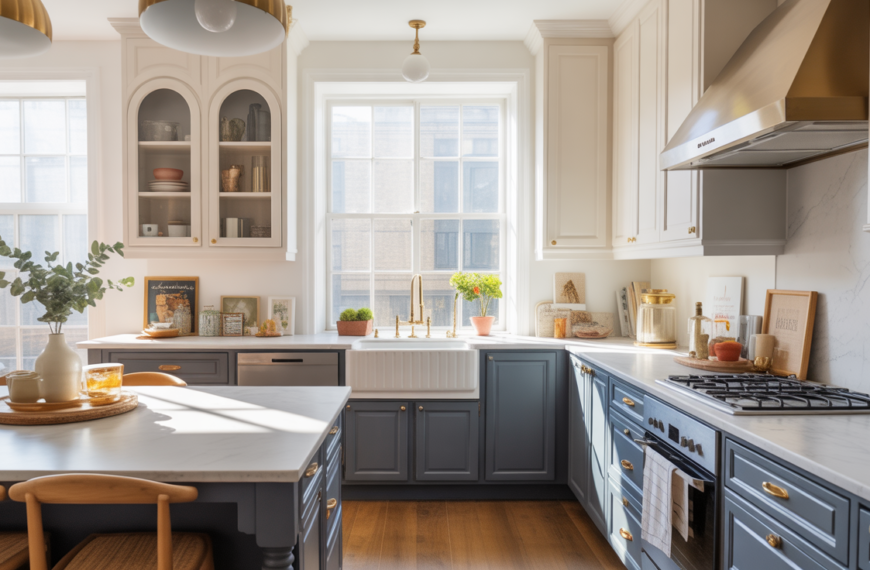
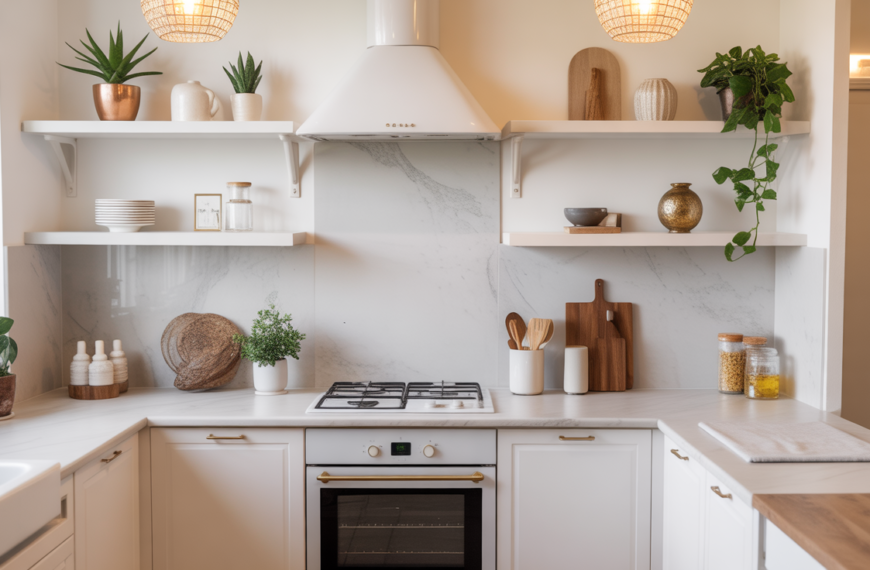
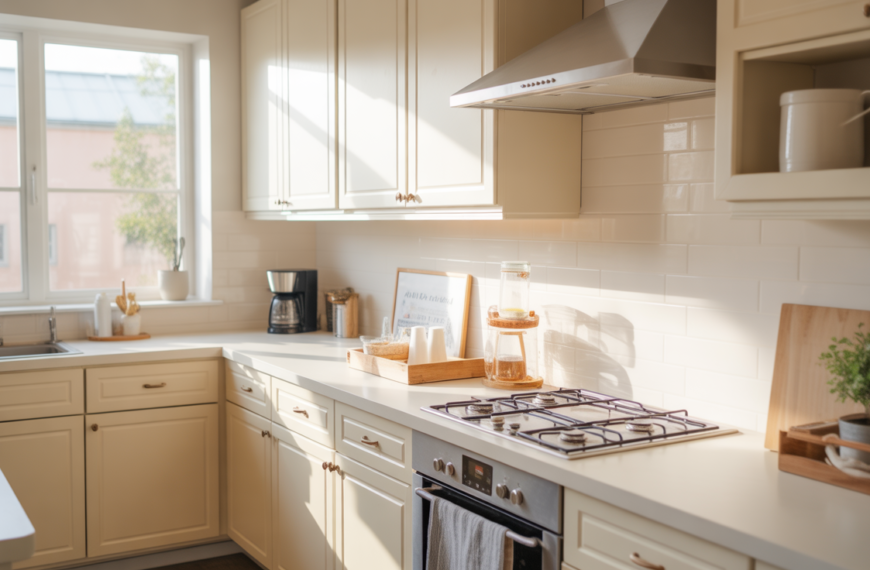
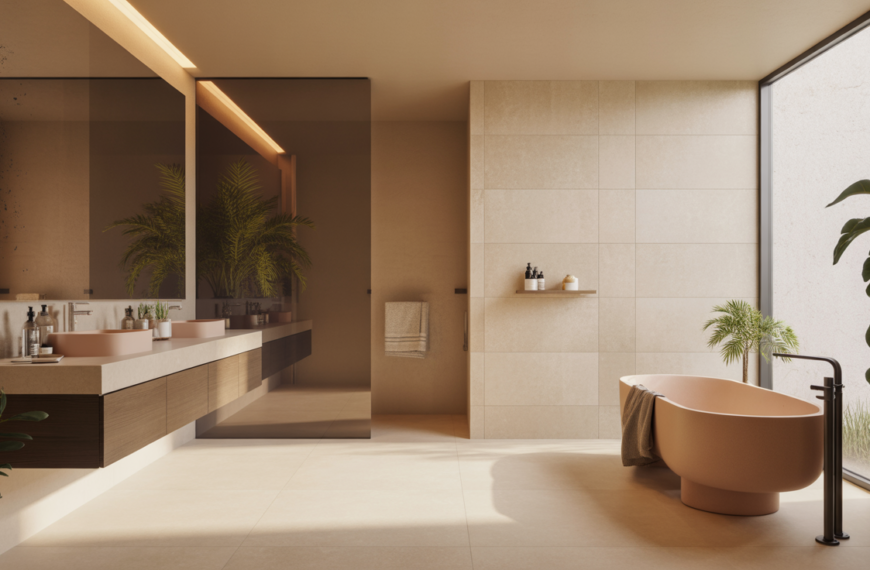
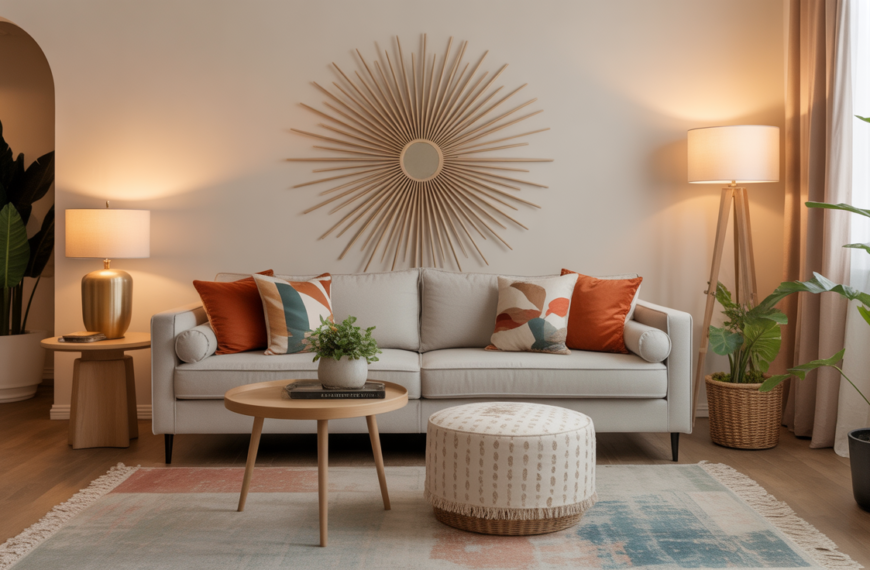
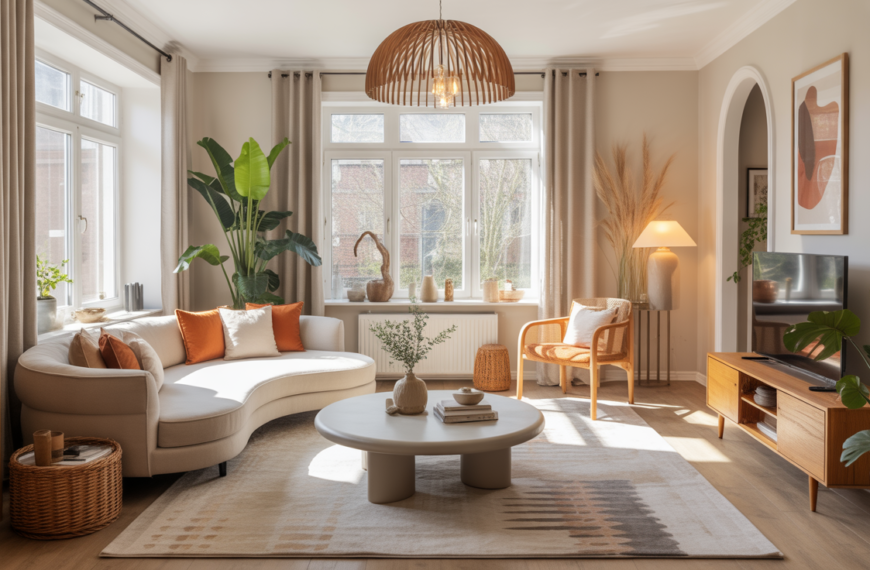
Lighting is no longer just about chasing away the dark. It is about creating mood, shaping style, and even supporting well-being in your home. In 2026, home lighting trends are evolving in ways that combine technology, design, and sustainability. Lighting can completely transform a room. From warm, dimmable bulbs to statement lights and layered lighting, these trends help you create spaces that feel personal, cozy, and stylish. Whether you live in a small urban apartment or a spacious suburban home, these ideas will inspire you to rethink your lighting setup.
Lighting is now considered the jewelry of the home. It is both a decorative element and the heartbeat of a room. Designers are now layering, integrating, and tailoring light to make it part of the experience rather than just a functional necessity. From AI-driven lights to vintage lighting, 2026 offers trends that cater to modern aesthetics while still prioritizing comfort and wellness.
Smart and AI-Powered Lighting for Modern Homes
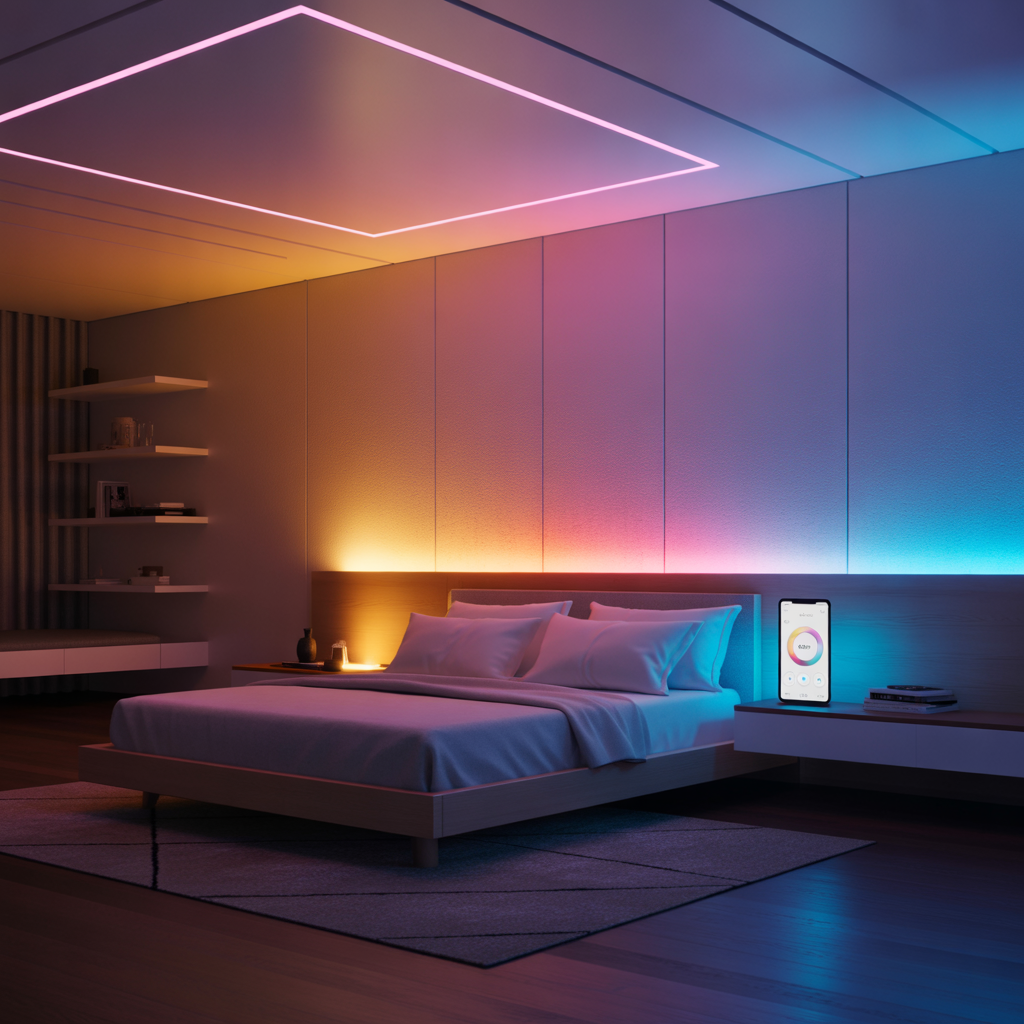
Smart lighting systems and AI-driven lights are no longer futuristic concepts. They are becoming standard in modern homes, offering convenience, personalization, and energy efficiency. In 2026, these systems can transform a room by learning your habits. Some lights gradually turn on in the morning to provide morning light energizing effects, while others shift to warmer tones in the evening to create evening light calming experiences that help with sleep.
Brands like Philips Hue, Nanoleaf, and LIFX lead the market in smart home lighting. These lights can sync with music, television, or even your wellness routines, making it possible to create intentional moods at any time of the day. Using color-changing bulbs, you can adjust lighting colors to fit your mood, whether it’s a calming blue for relaxation or vibrant red and yellow for a party. Even a single voice-controlled bulb in your bedroom can dramatically improve convenience and comfort.
Case studies show that households using human-centric lighting report improved sleep quality and overall mood. These lights mimic natural sunlight, support circadian rhythm lighting, and reduce eye strain, especially in homes where people spend long hours working or studying indoors.
Pendant and Statement Lights Stealing the Spotlight
Pendant lights have become more than just functional pieces; they are sculptural lighting elements that serve as modern chandeliers and statement lights. In 2026, oversized pendants, geometric fixtures, and bold colors are turning ceilings into focal points in dining rooms, kitchens, and hallways. Sculptural centerpieces can anchor a room’s design, making it feel stylish and intentional.
For a striking effect, designers recommend pairing pendant lights with layered lighting. For instance, an oversized rattan pendant above a dining table adds grounding homes in earthy textures, while recessed lighting or under-cabinet LEDs provides functional illumination. Even affordable pendants with unique textures or metallic finishes can dramatically transform a room without a huge investment.

Layered Lighting for Versatility and Comfort
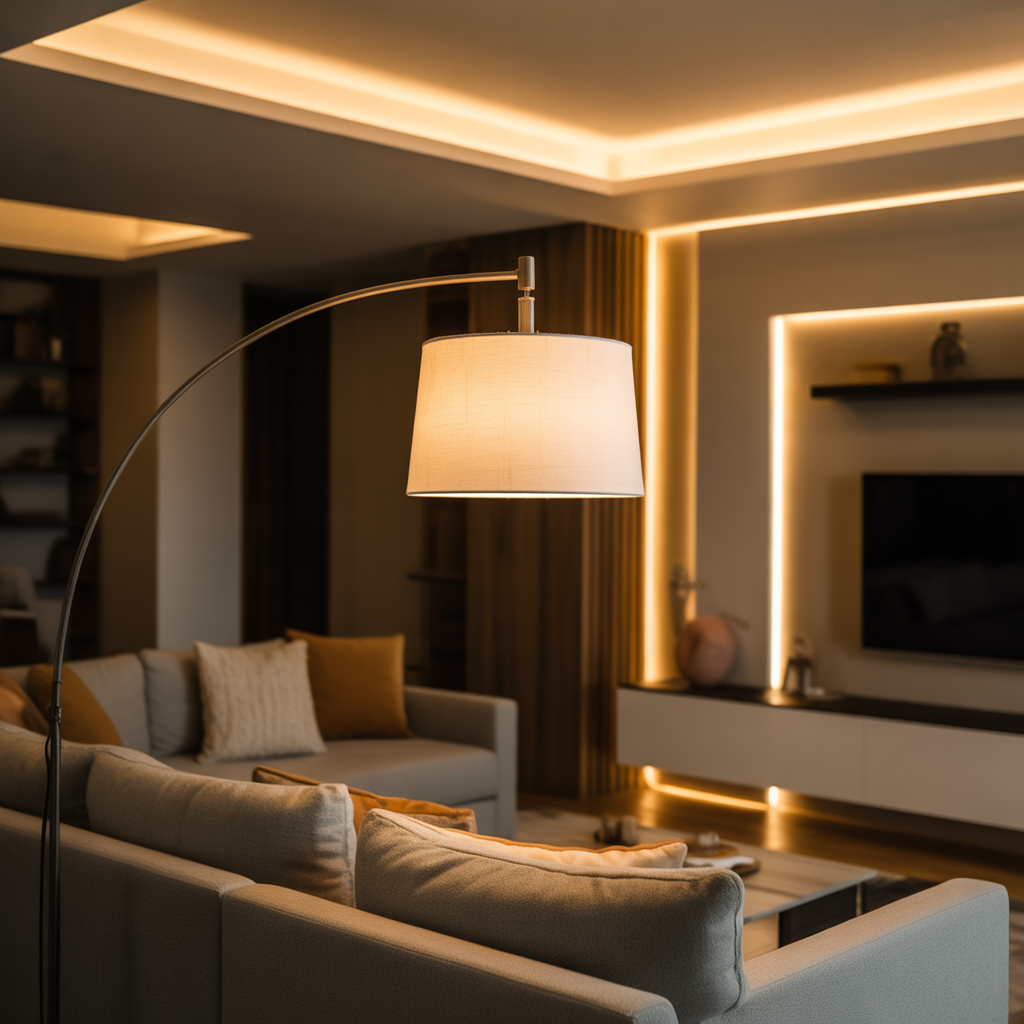
One ceiling light is no longer enough. In 2026, layered lighting is essential to achieve depth and flexibility in any room. Combining ambient lighting, task lighting, and accent lighting allows homeowners to balance function and comfort while enhancing the room’s design. Layered lighting can make small spaces appear larger and cozy rooms feel even more inviting.
For example, adding a floor lamp or LED strip alongside an overhead fixture creates a warm and functional environment. Layering light also allows homeowners to control the mood. Soft ambient lights create a relaxing atmosphere, task lights brighten workspaces, and accent lights highlight art or architectural features. In essence, layered lighting gives both visual interest and practical benefits, making it a cornerstone of modern home lighting trends.
LED Innovations for Wellness and Energy Efficiency
LED lighting is no longer just about energy savings. Tunable LEDs and human-centric lighting now support lighting for wellness. LEDs can mimic natural light simulation, adjusting brightness and color temperature to match the time of day. Morning light can feel energizing, while evening light promotes calm and relaxation.
Sustainable lighting and eco-friendly fixtures are also part of the trend. Many LED systems use minimal energy while providing superior control over lighting layers. Homeowners can now install dimmable LEDs that shift from warm to cool, creating a healthier and more comfortable environment. Studies from Better Homes & Gardens indicate that integrating LEDs with wellness-focused schedules improves productivity, sleep, and overall home comfort.
| Feature | Benefit | Example |
| Tunable LEDs | Adjust brightness & color | Philips Hue, LIFX |
| Circadian rhythm lighting | Aligns sleep-wake cycles | Bedroom & office use |
| Energy-efficient LEDs | Reduce electricity bills | Under-cabinet LED strips |
Natural Materials Adding Warmth and Texture
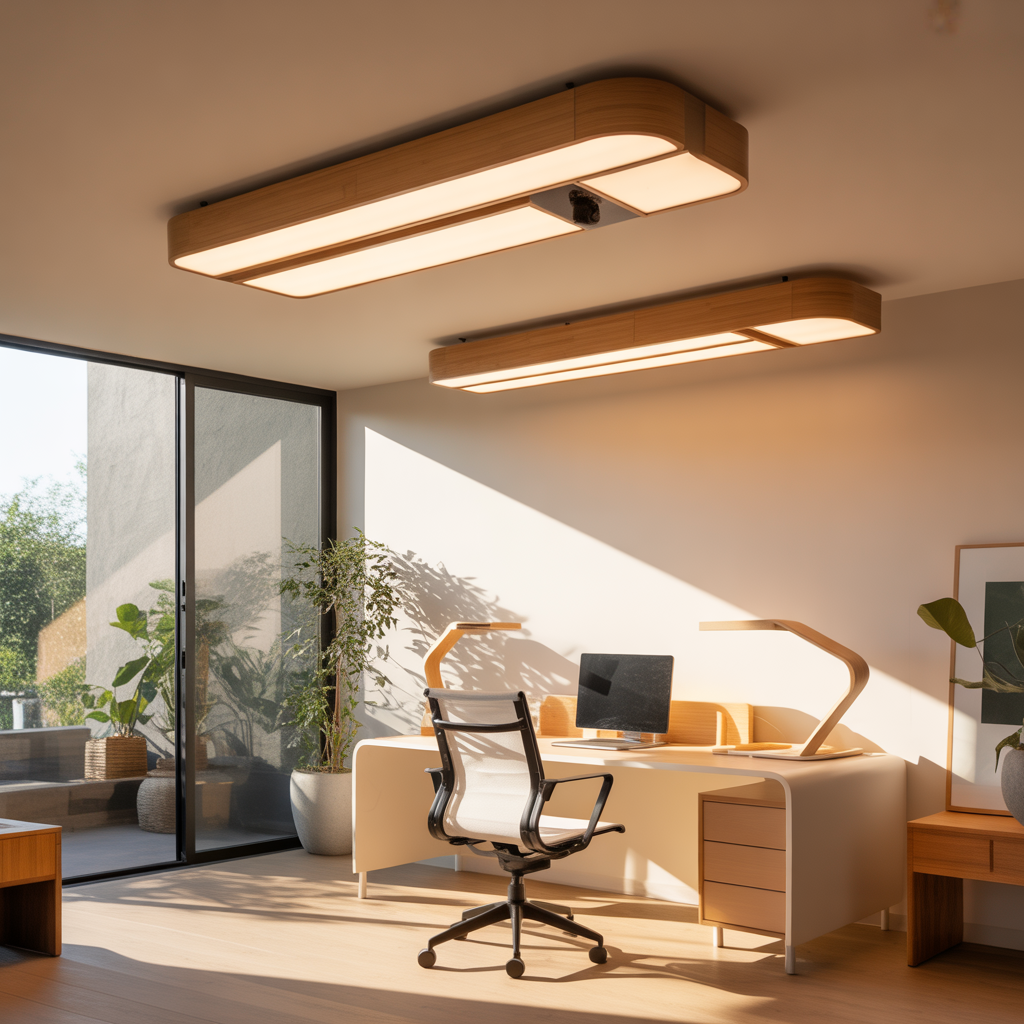
In 2026, rattan, bamboo, linen, wood lamps, and other natural materials are trending. These fixtures ground homes in earthy textures, bringing warmth and style to modern interiors. Natural materials contrast beautifully with minimalist furniture, softening spaces and creating cozy ambiance.
For example, a bamboo pendant over a sleek marble table combines elegance with natural warmth. Linen lamp shades diffuse light softly, creating soft pools of light that enhance comfort. Using these organic materials not only adds texture and style but also aligns with sustainable lighting practices, helping homeowners reduce environmental impact while creating inviting spaces.

Soft and Diffused Lighting for Cozy Spaces
Soft diffused lighting is replacing harsh overhead fixtures in 2026. Using frosted glass pendants, fabric lamp shades, or hidden LEDs creates a cocoon-like comfort that transforms any room. Bedrooms and living rooms benefit most from these trends, offering spaces that feel intimate and relaxing.
Layering, integrating, tailoring light helps distribute light evenly, preventing glare and harsh shadows. This approach encourages homeowners to design spaces where cozy ambiance and functional elegance coexist. Even a single soft diffused lighting element can drastically change how a room feels.

Vintage and Retro Styles Making a Comeback
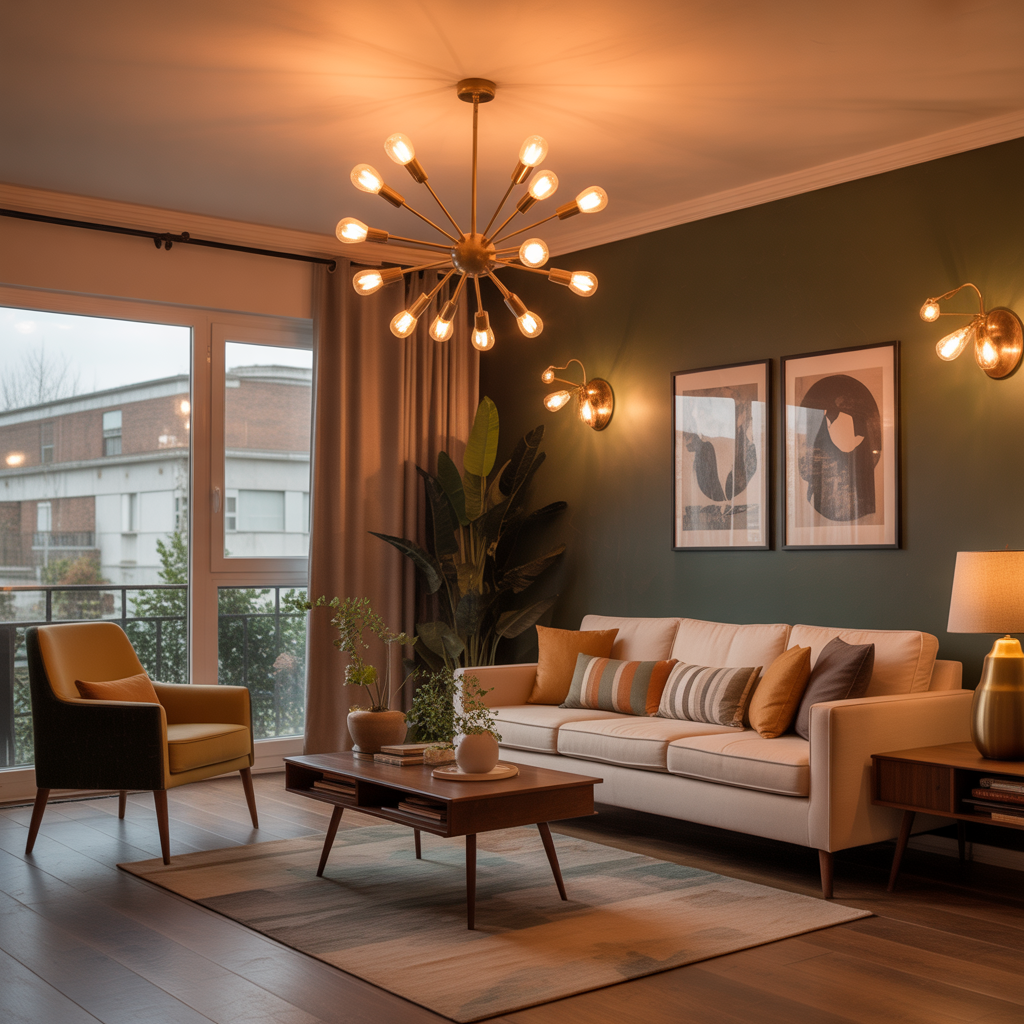
Vintage lighting and retro chandeliers are making a strong return in 2026. Sputnik chandeliers, Edison bulb pendants, and mid-century modern designs are popular for their charm and nostalgia shaping lighting choices. These fixtures offer timeless elegance while allowing for a retro-modern bent when paired with contemporary interiors.
Adding an antique globe lamp or Edison pendant can instantly transform a room, combining the warmth of the past with modern sensibilities. Retro lighting is not just functional; it is sculptural lighting that tells a story, making spaces Pinterest-ready and visually appealing.
Integrated and Hidden Lighting for a Sleek Look
Integrated lighting is a minimalist approach that emphasizes functional elegance. Recessed lights, under-cabinet LEDs, and built-in shelving illumination create sleek, clutter-free spaces. This style is perfect for small apartments, kitchens, and bathrooms where visible fixtures may disrupt design.
Hidden LEDs can highlight architectural elements without dominating the room. These systems provide depth and flexibility, making them essential for modern home lighting trends 2026. When combined with layered lighting, integrated fixtures enhance both beauty and functionality.

Mood Lighting with Color for Personalized Spaces
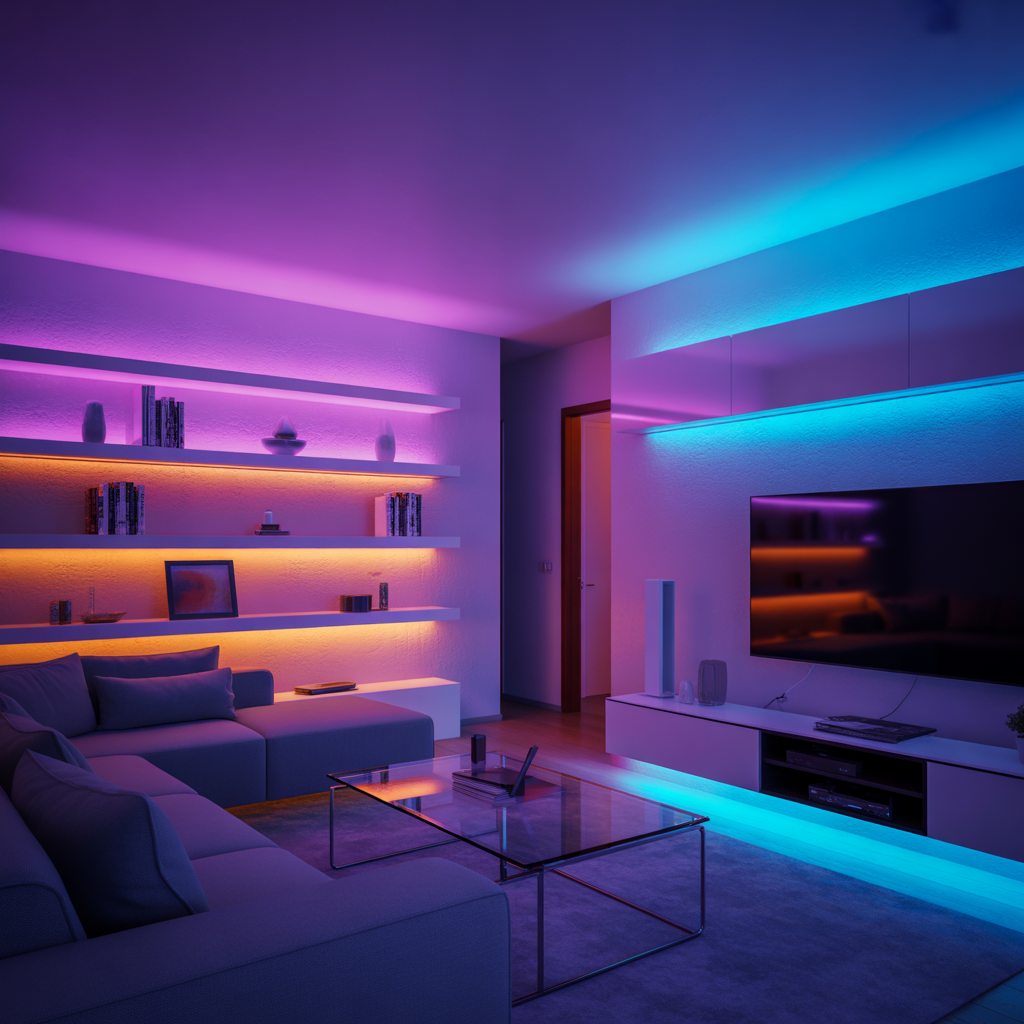
Mood lighting using color-changing LEDs allows homeowners to customize spaces for any activity or feeling. From calming blues before sleep to bright, vibrant tones for parties, lighting now serves as a tool to create intentional moods. Brands like Philips Hue, Nanoleaf, and LIFX offer complete ecosystems for smart home lighting, enabling users to control colors and brightness from a smartphone or voice assistant.
Color-driven lighting enhances every room’s personality, encouraging creative use of spaces while maintaining comfort. Combining mood lighting with layered lighting can transform ordinary spaces into immersive experiences for work, relaxation, or entertainment.
How to Pick the Right Trend for Your Home
Selecting the right home lighting trends 2026 depends on your lifestyle, room type, and personal style. It is important to consider balance function and comfort. For instance, a cozy reading nook benefits from soft diffused lighting and task lighting, while a living room might combine pendant lights, layered lighting, and mood lighting for maximum versatility.
Homeowners can mix trends, combining vintage lighting with modern LED innovations, or integrating natural materials alongside AI-driven lights. The goal is to transform a room into a space that feels both functional and welcoming, reflecting your personality and improving daily life.
FAQs
Q1. What are the top home lighting trends for 2026?
A: The top trends include smart and AI-driven lights, layered lighting, statement pendants, natural materials, LED wellness lighting, and vintage/retro designs.
Q2. How can I make my home lighting more energy-efficient?
A: Use LED lighting, tunable LEDs, smart bulbs, and eco-friendly fixtures to reduce energy use while maintaining style and comfort.
Q3. What is layered lighting and why is it important?
A: Layered lighting combines ambient, task, and accent lighting to add depth, versatility, and a cozy ambiance to any room.
Q4. How do I choose the right lighting trend for my home?
A: Consider your room size, lifestyle, and design style, and mix trends like statement lights, mood lighting, and natural materials for balance.
Q5. Are smart lighting systems worth the investment?
A: Yes, smart home lighting and AI-driven lights improve convenience, wellness, energy efficiency, and allow personalized lighting experiences.

 By
By