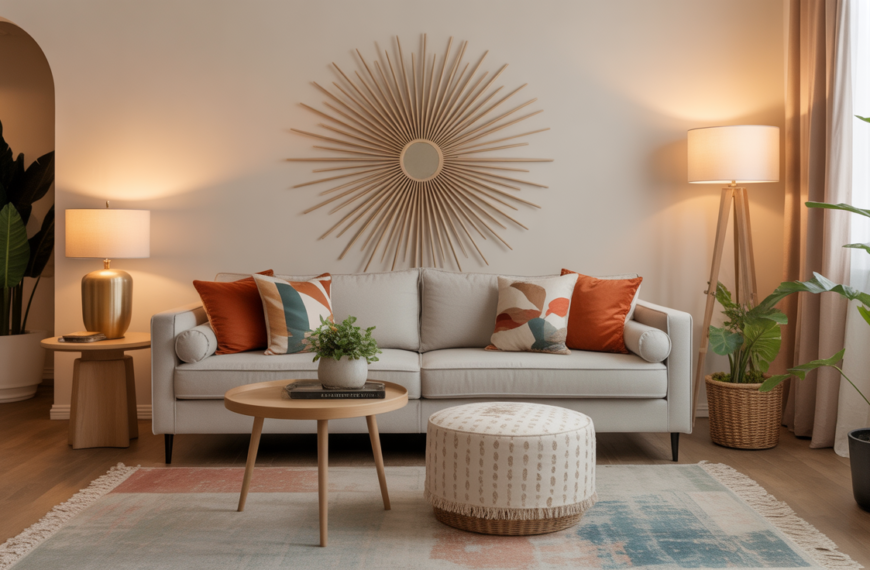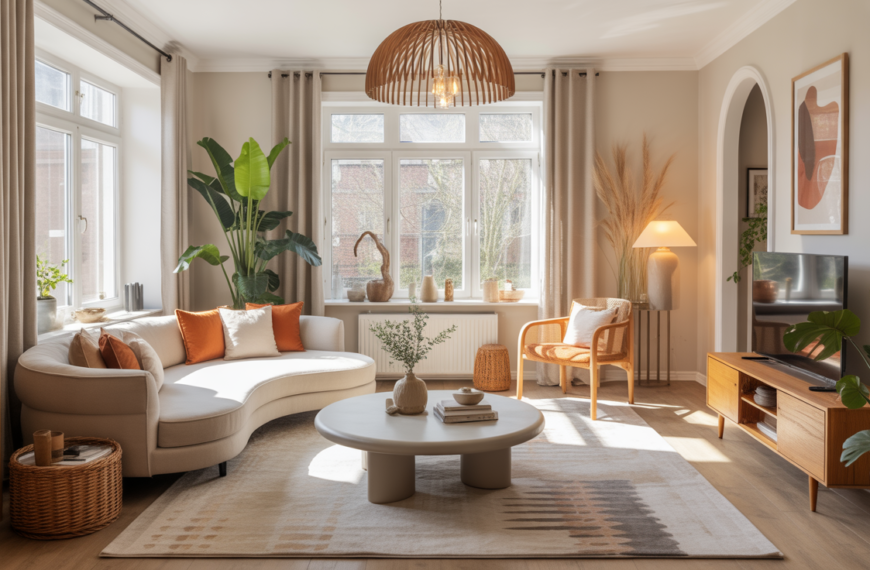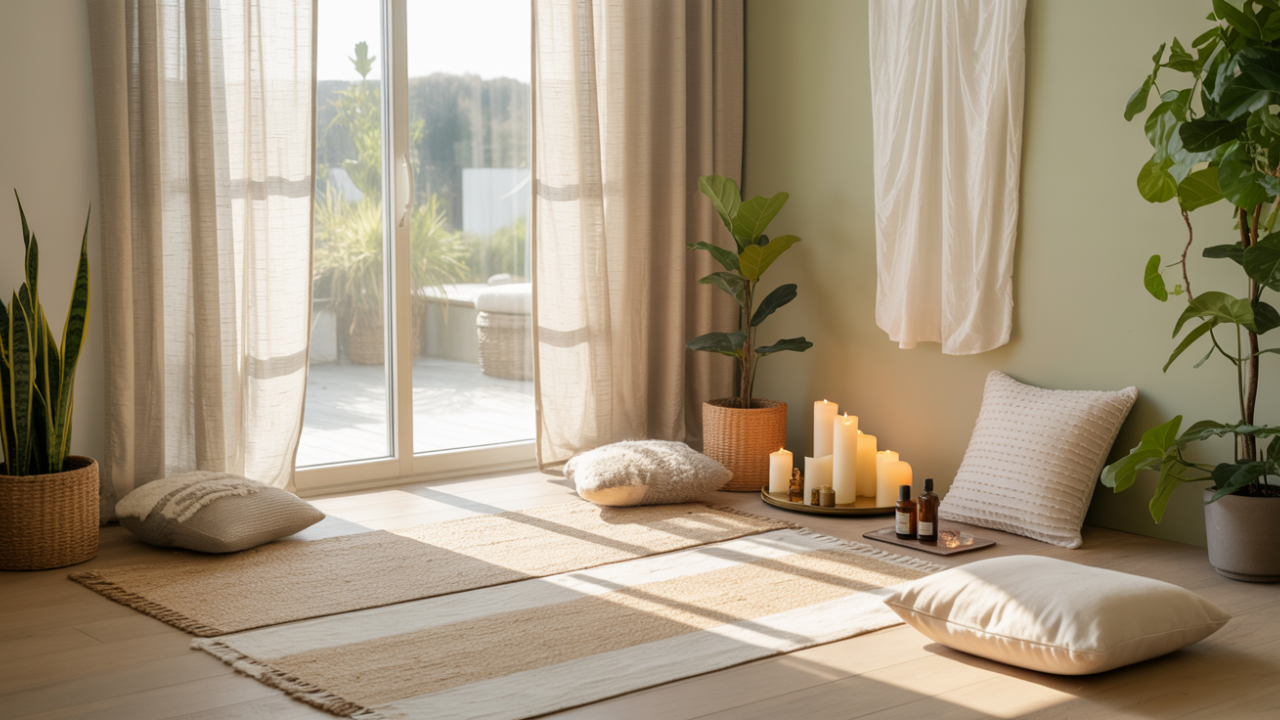

Creating a healing room at home is more than decorating. It is about designing a personal sanctuary that nurtures your mind and body. In today’s fast-paced life, stress and anxiety are constant companions. Having a dedicated space to slow down, breathe, and recharge can transform your daily routine. This article explores the best healing room ideas to help you create a healing space, a calming room, and a relaxation space that restores both mental and physical health. These tips are perfect for those looking to design a restorative environment at home, especially for the Pinterest-loving audience in the USA.
Understand the Purpose of Your Healing Room
Every successful healing room starts with a clear purpose. Without knowing why you are creating the space, it can easily become another cluttered corner. Some people use their mindful space for meditation, journaling, or prayer. Others prefer yoga, creative work, or simply a quiet moment with tea. Defining the purpose allows you to make small design choices that enhance mind and body restoration.
Understanding your intention also helps with intentional design. For example, a meditation corner requires fewer objects and more openness, while a self-care space may benefit from comfort layers like cushions and throws. A simple way to begin is to write down one or two goals for your room. Ask yourself: Do I want a peaceful retreat at home or a cozy nook to unwind after a busy day? Knowing the answer makes the rest of the design process easier and more meaningful.
Declutter and Organize for Mental Clarity
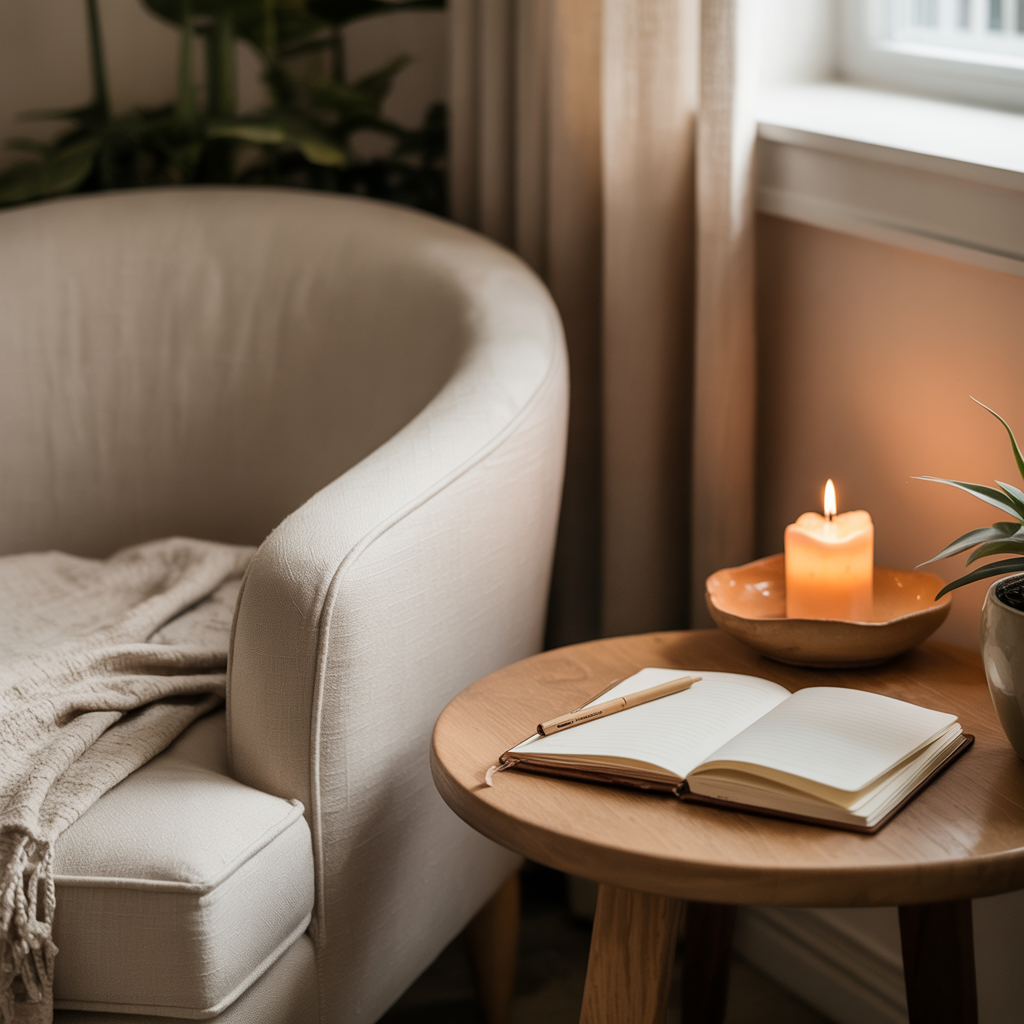
A decluttered space is essential for a calming room. Clutter competes for your mental energy and reduces the effectiveness of your relaxation space. According to research by Utah State University, decluttering can reduce stress and anxiety and improve mental clarity. When items are removed, your emotional backdrop shifts, making the room feel lighter and more peaceful.
To begin, remove anything that does not serve your purpose. Even a small corner can transform into a personal sanctuary. Tables, shelves, and storage baskets can help organize remaining items. The goal is to maintain a minimalist room that encourages intentional living. Over time, a simplified space supports deeper mind and body restoration, as the room itself becomes a cue for calm.
| Step | Action | Benefit |
| 1 | Remove 5 items that don’t serve your purpose | Instant sense of calm |
| 2 | Organize remaining items | Clear mental space |
| 3 | Use storage solutions | Maintain decluttered space |
Choose Soothing Colors and Natural Materials
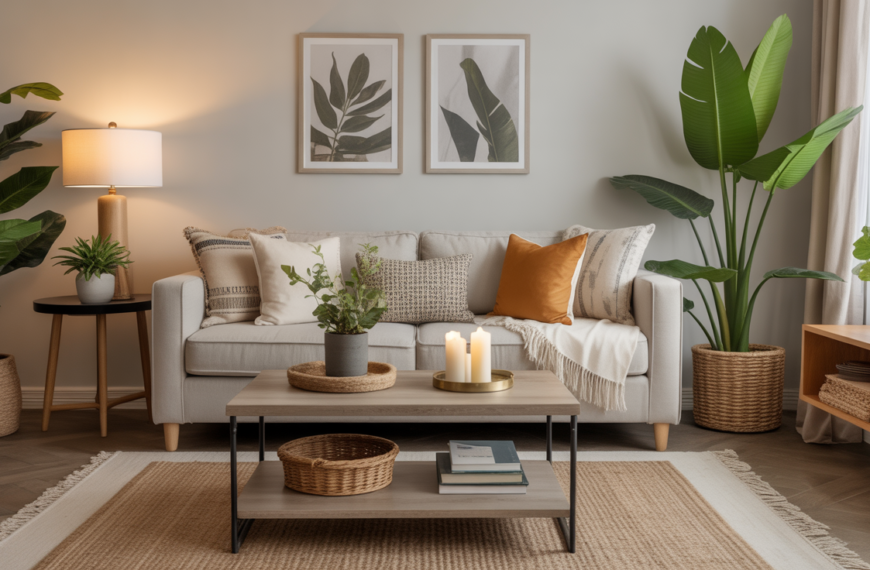
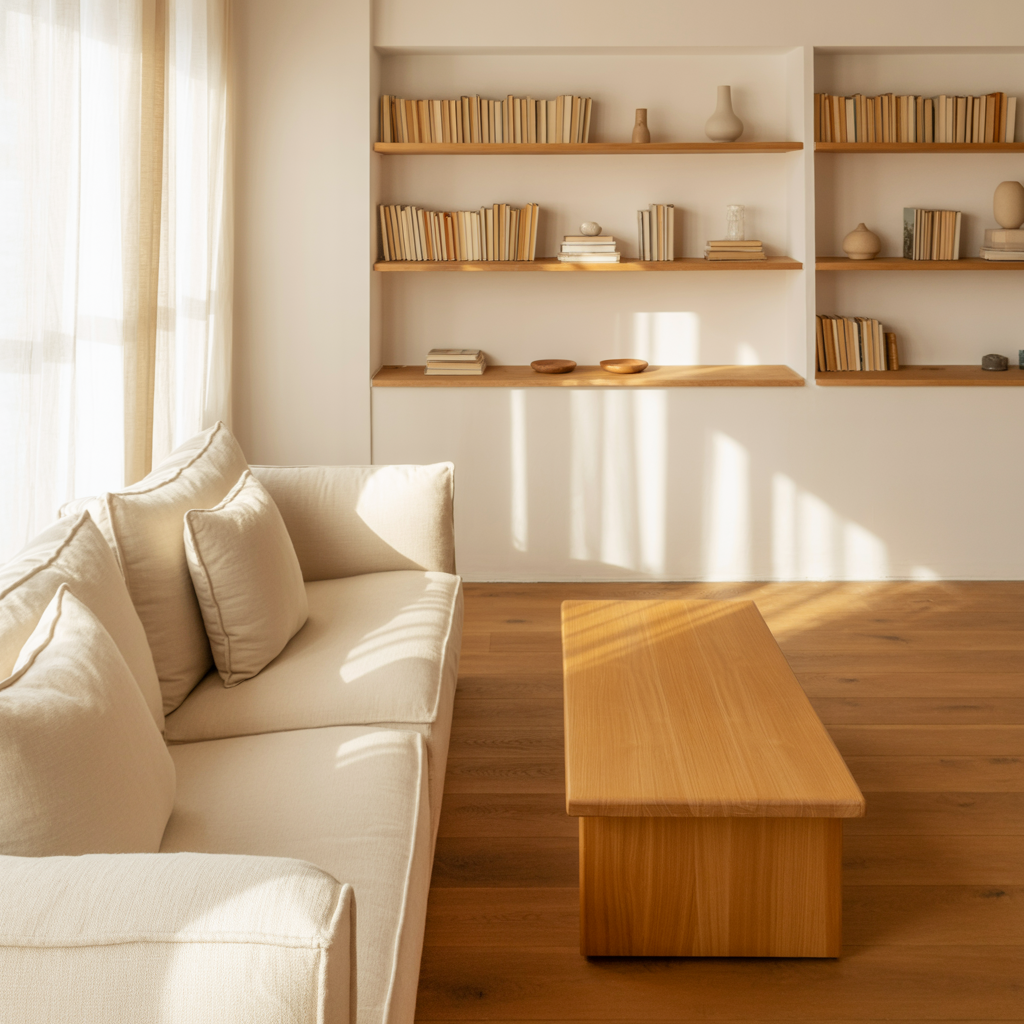
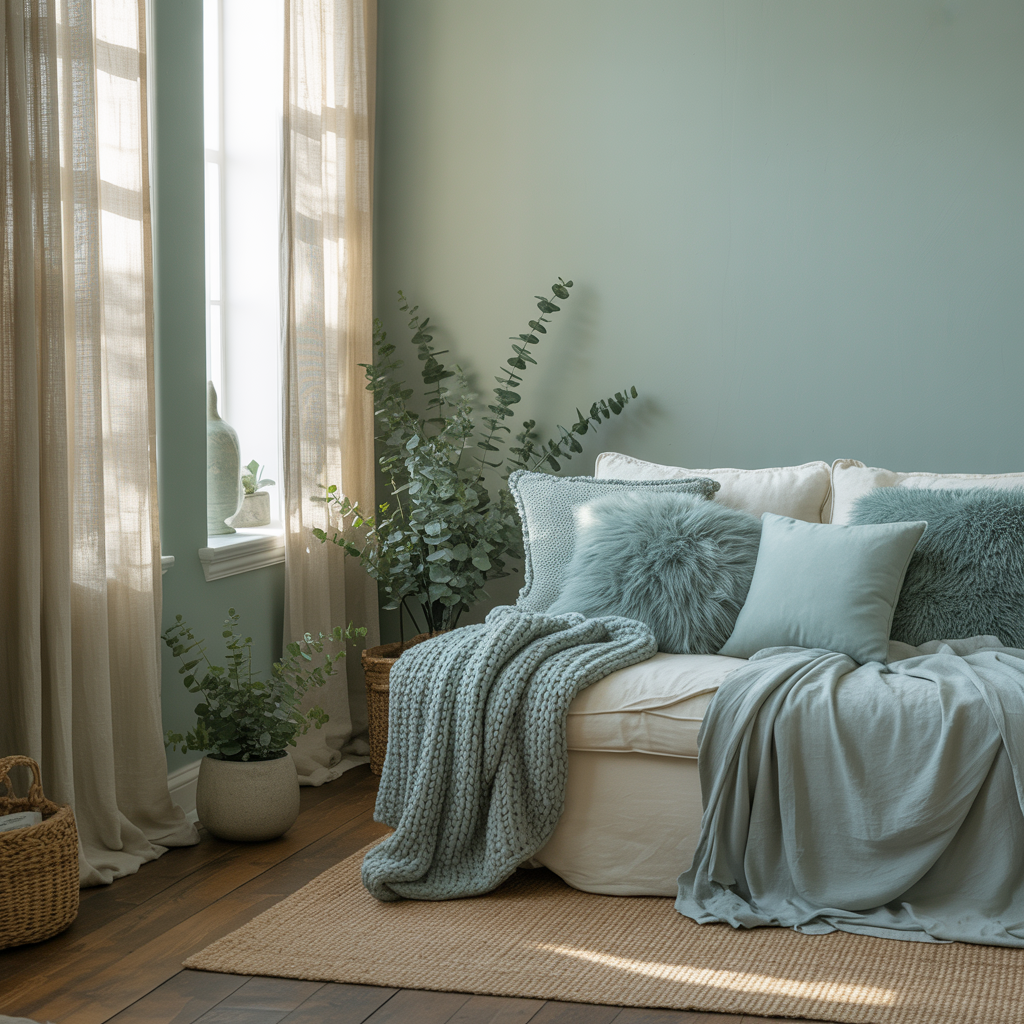
Colors and textures have a profound effect on mood. Soft soothing colors like muted blues, greens, and warm neutrals can calm your mind and reduce anxiety. Natural materials like wood, linen, and stone provide grounding textures, making the environment feel safe and inviting.
In a restorative environment, textures play as big a role as colors. A jute rug under bare feet or a linen curtain can instantly enhance a peaceful environment. Even painting a single wall in a calming color can reset the room’s energy. Small design choices like these create a sensory environment that supports mental clarity and physical recovery.
| Material | Effect on Mind and Body |
| Wood | Grounding and natural warmth |
| Linen | Soft texture, tactile comfort |
| Stone | Adds stability and calm |
| Cotton | Invites coziness and comfort layers |
Optimize Lighting for Calm and Focus
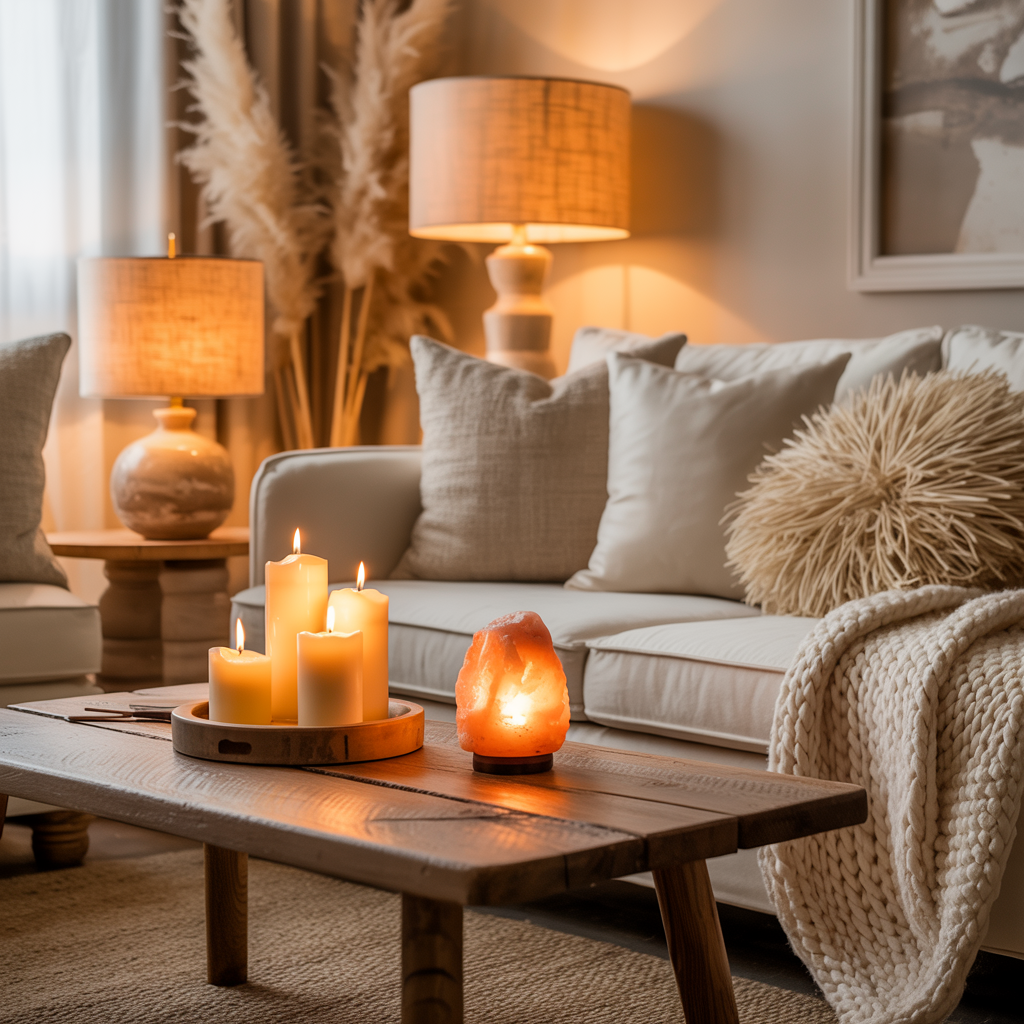
Lighting is one of the most powerful tools to transform a healing room. Natural daylight regulates your circadian rhythm and lifts mood, while soft lamps and candles create a cozy, soothing atmosphere. Layered lighting, including table lamps, Himalayan salt lamps, or dimmable LEDs, allows you to adjust the mood according to your needs.
Lighting also interacts with your emotional backdrop. A harsh ceiling light can feel stressful, while warm, soft lighting encourages relaxation rituals. Evening candlelight or a gentle lamp can help your mind slow down and relax, signaling your body that it is time to unwind. Incorporating layered lighting ensures that every corner of your mindful space feels inviting and calming.
Bring Nature Indoors
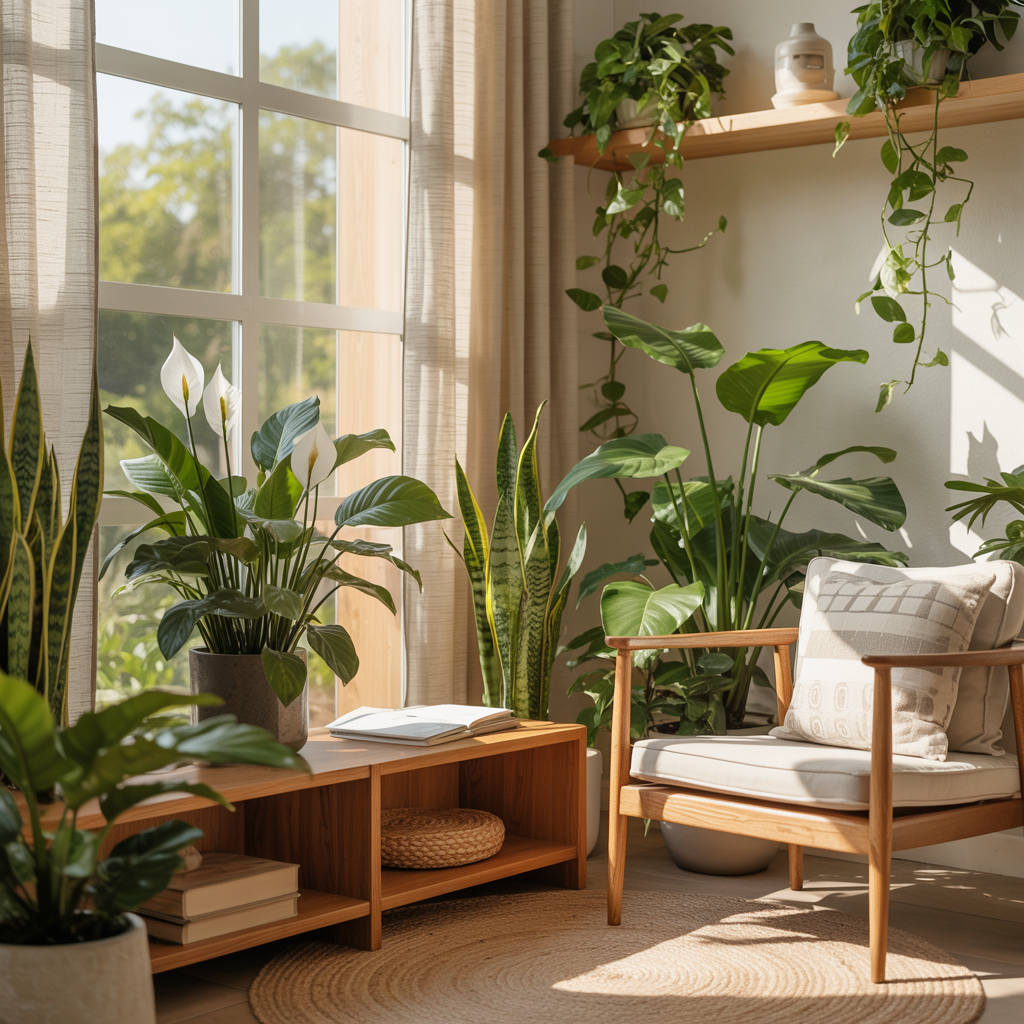
Humans are naturally wired to respond positively to nature. Incorporating plants into your healing room creates a biophilic design that supports stress relief and mind and body restoration. Indoor plants for healing, such as peace lilies, snake plants, or pothos, can improve air quality and provide visual calm.
If plants feel overwhelming, art depicting landscapes or a tabletop water fountain can also simulate natural elements. By connecting with nature indoors, you engage multiple senses and create a restorative environment that promotes focus and serenity. Even a single plant in a cozy nook can make a corner feel alive, peaceful, and rejuvenating.
Use Sound and Aromatherapy to Soothe Your Senses
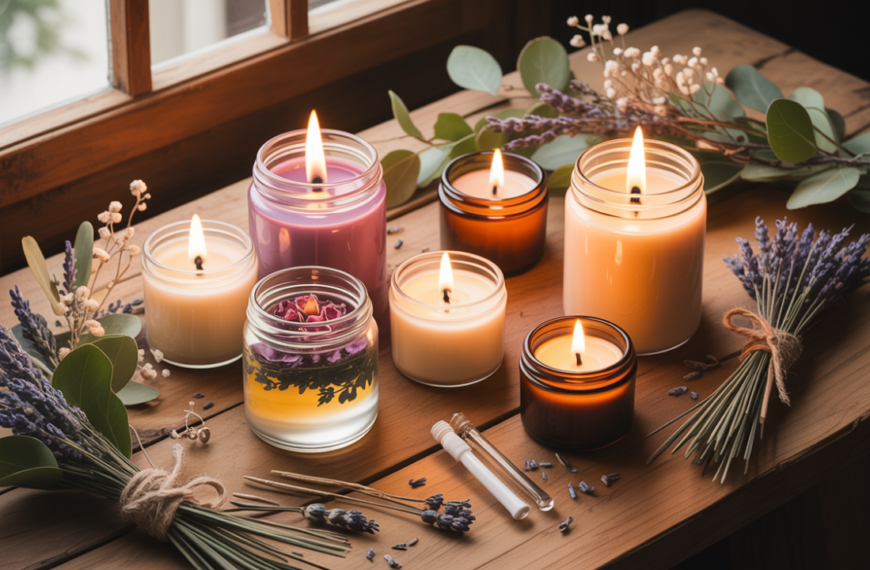
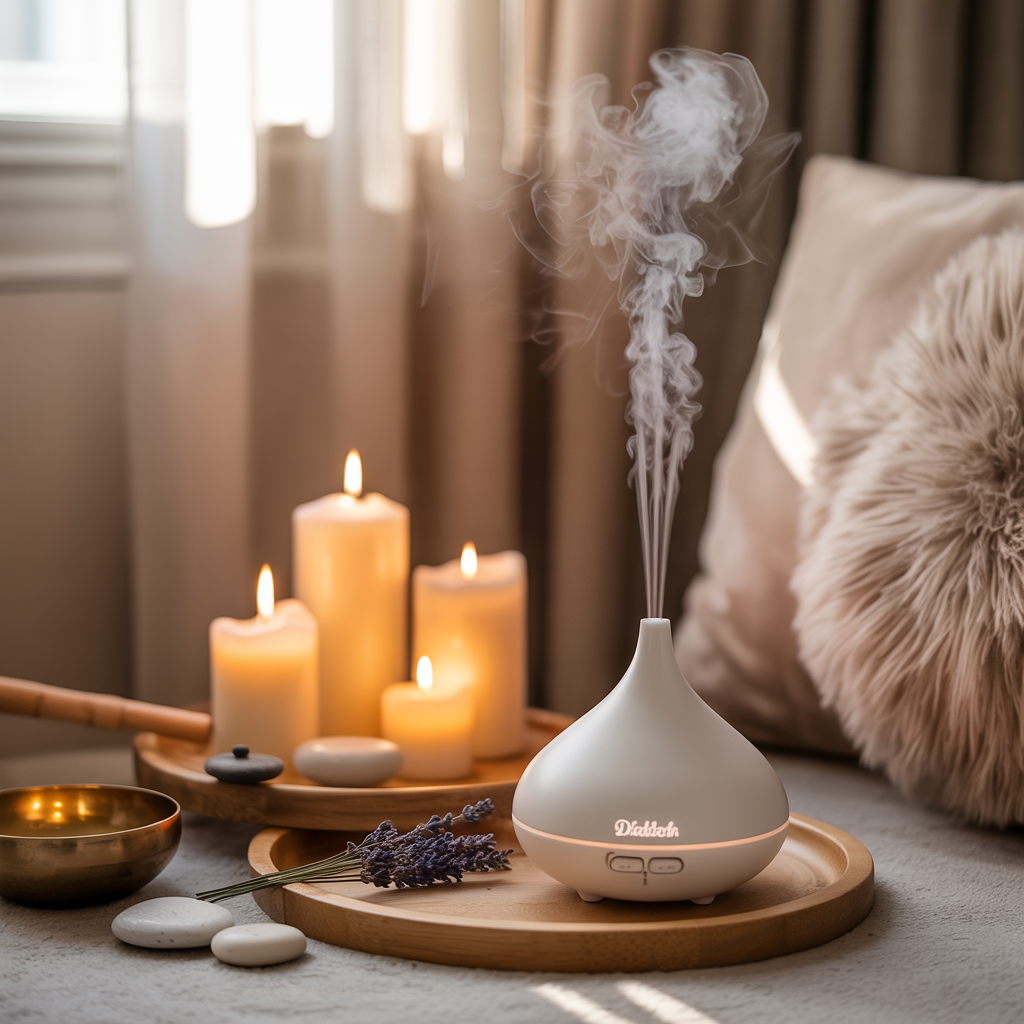
Sound and scent are critical in designing a calming room. Aromatherapy using essential oils like lavender or eucalyptus can reduce stress and anxiety while supporting mental clarity. Soft music or nature tracks, such as rainfall or ocean waves, can create a sensory environment that enhances relaxation.
Combining scent and sound is especially effective. For example, diffusing lavender while listening to a gentle rainfall track can immediately transform a quiet corner into a mindful space. Over time, your brain associates these cues with calm and recovery, creating a habit of intentional living. Layering sound and scent is a simple but powerful way to create a restorative environment.
Add Comfort and Cozy Layers
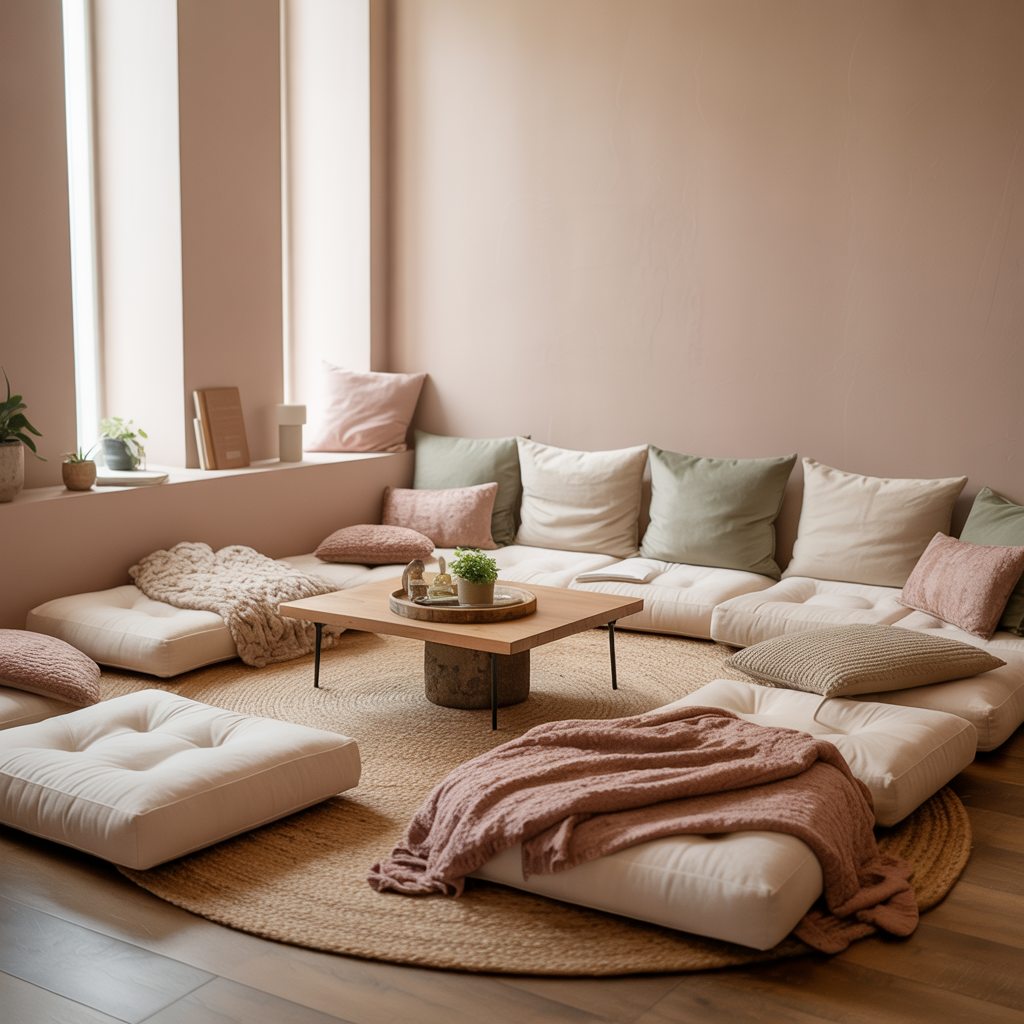
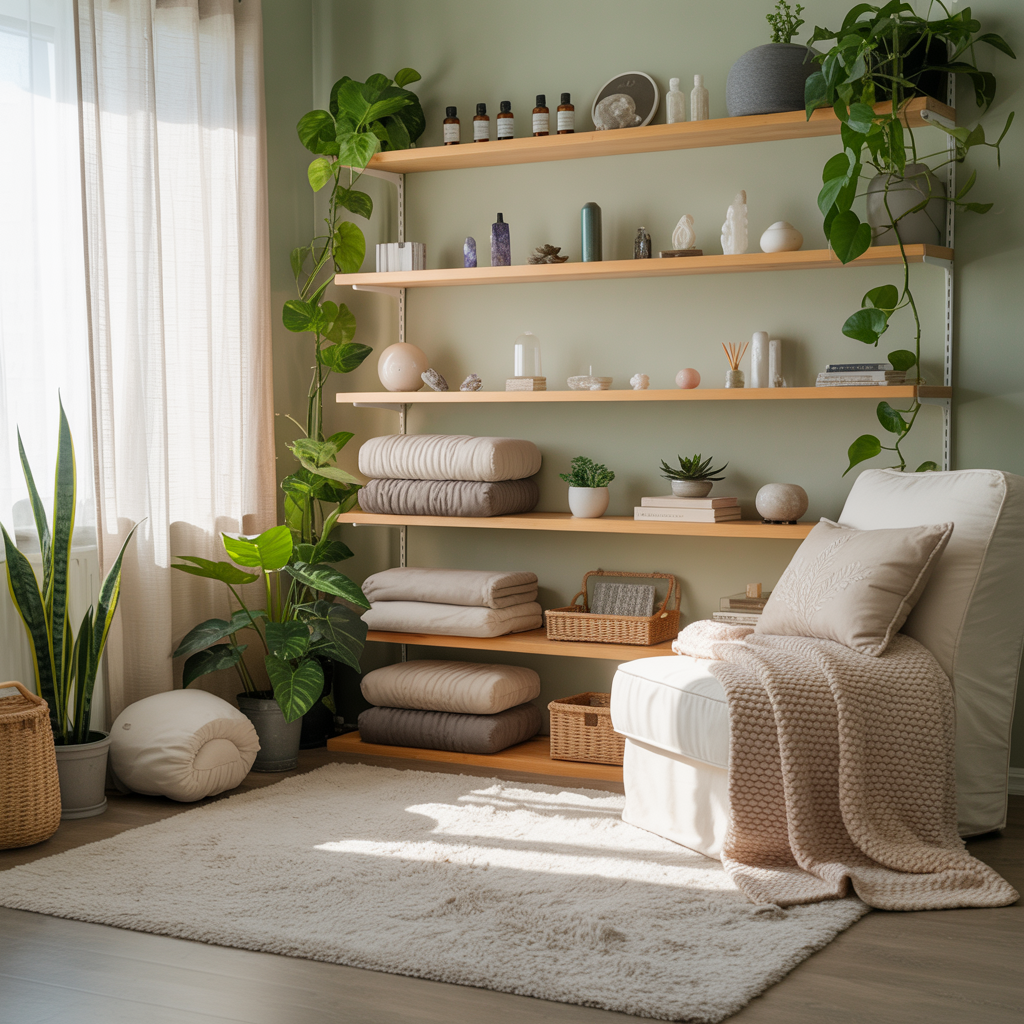
Comfort is essential for a healing room to function as a relaxation space. Adding comfort layers such as rugs, cushions, throws, and weighted blankets allows your body to release tension. The tactile experience of soft fabrics and warm textures creates a soothing atmosphere where you can linger without distraction.
Even a small cozy nook with a floor cushion or a fleece throw can transform a meditation corner into a sanctuary. Comfort encourages long sessions of journaling, meditation, or quiet reflection, enhancing mind and body restoration. The key is to choose layers that invite you to stay and slow down and relax.
Personalize Your Healing Space
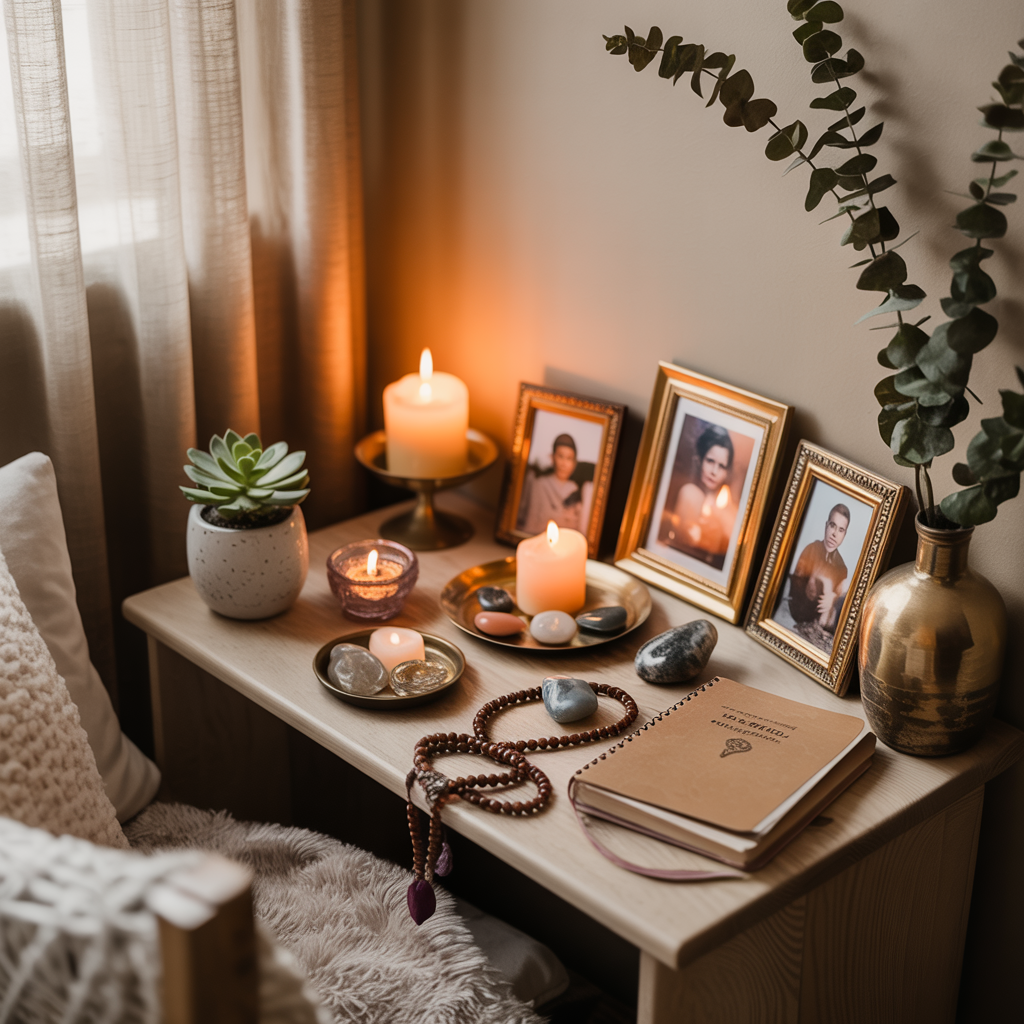
A personal sanctuary is incomplete without meaningful elements. Adding personal objects, photos, souvenirs, or sacred items can deepen the emotional impact of your healing room. This intentional design helps you create personal meaning in your space.
Even a single seashell or a favorite journal can become a centerpiece. The goal is not to overcrowd, but to include objects that resonate with your story. Meaningful décor turns a quiet corner into a peaceful retreat at home, making every visit restorative for both mind and body.
Establish Simple Rituals and Mindful Practices
Rituals transform a calming room into a living mindful space. Lighting a candle before meditation, journaling at the same time each day, or sipping tea in your cozy nook are simple relaxation rituals.
Regular practice trains your brain to relax on cue. Over time, these mindful rituals become part of your lifestyle, ensuring that your healing room consistently supports mental clarity and physical recovery. Even ten minutes daily can turn your quiet corner into a restorative environment.
Maintain Your Healing Room for Long-Term Benefits
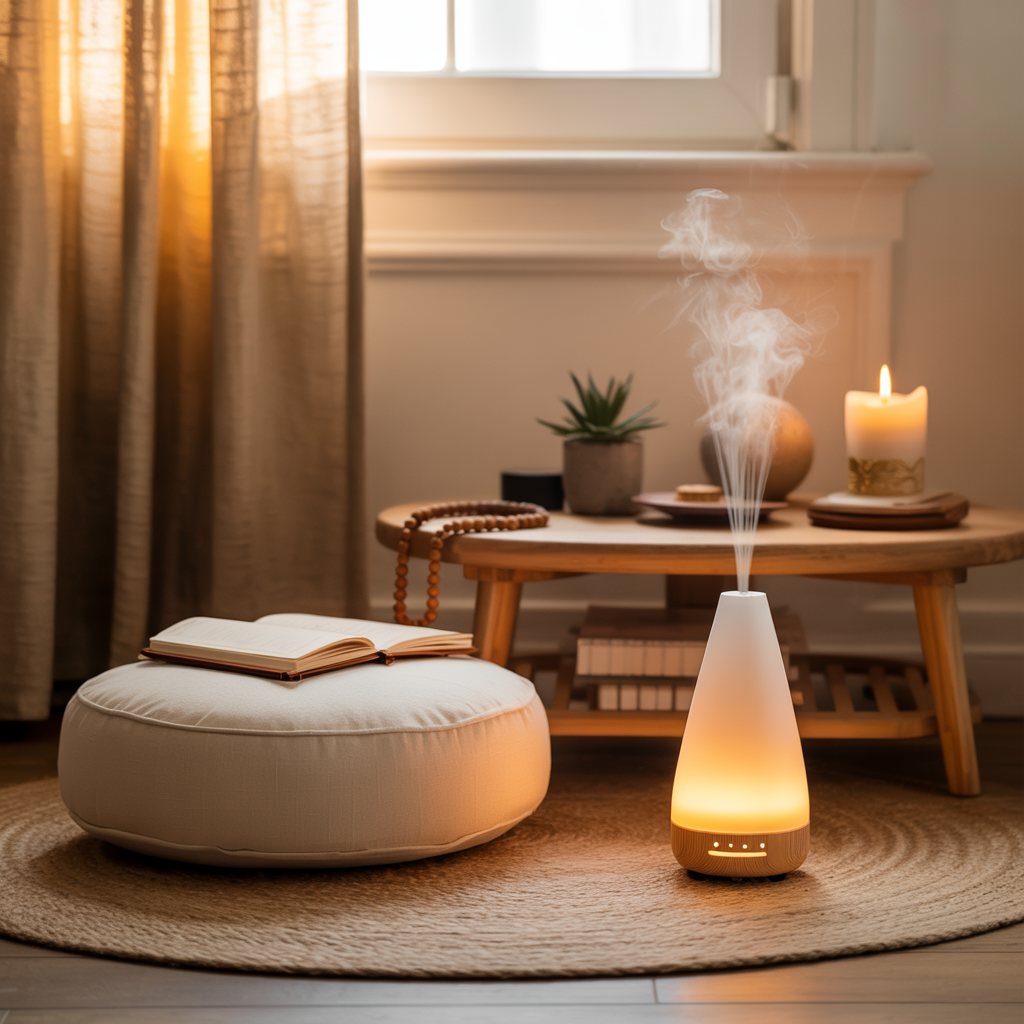
To sustain the benefits of a healing room, it’s important to maintain it. Regularly clean, organize, and refresh your space. Rotate plants, update textiles, or swap lighting to keep the energy aligned with your goals.
A decluttered space, combined with consistent rituals for mindfulness, ensures your calming room remains a source of tranquility. Remember, healing comes from intention, not luxury. Even a small corner, cared for thoughtfully, can provide long-term mind and body restoration.
FAQs About Creating a Healing Room at Home
Q1. Can a small corner work instead of a full room?
A: Yes. Even a cozy nook or closet conversion can serve as a personal sanctuary if it is intentional.
Q2. What colors are best for a calming room?
A: Soft greens, muted blues, and warm neutrals are proven to reduce anxiety and create a peaceful environment.
Q3. Do scents really make a difference?
A: Absolutely. Aromatherapy using lavender or eucalyptus oils can calm the nervous system and support mental clarity.
Q4. How can I make the room personal without cluttering?
A: Select one or two personal objects or sacred items. Simplicity is key for a mindful space.
Q5. What’s the simplest way to start on a budget?
A: Begin with one small change, such as adding a plant, switching to soft lighting, or placing a comfort layer like a throw or cushion.
Conclusion
A healing room is not about luxury or size. It is about creating a calming room that fosters mind and body restoration. By using soothing colors, natural textures, layered lighting, indoor plants, and meaningful objects, you can design a restorative environment that supports daily relaxation. Incorporate mindful rituals, comfort layers, and a personal sanctuary approach, and even a small corner can become a peaceful retreat at home. Start today, and transform your home into a space where you can truly slow down, relax, and restore your mind and body.

 By
By