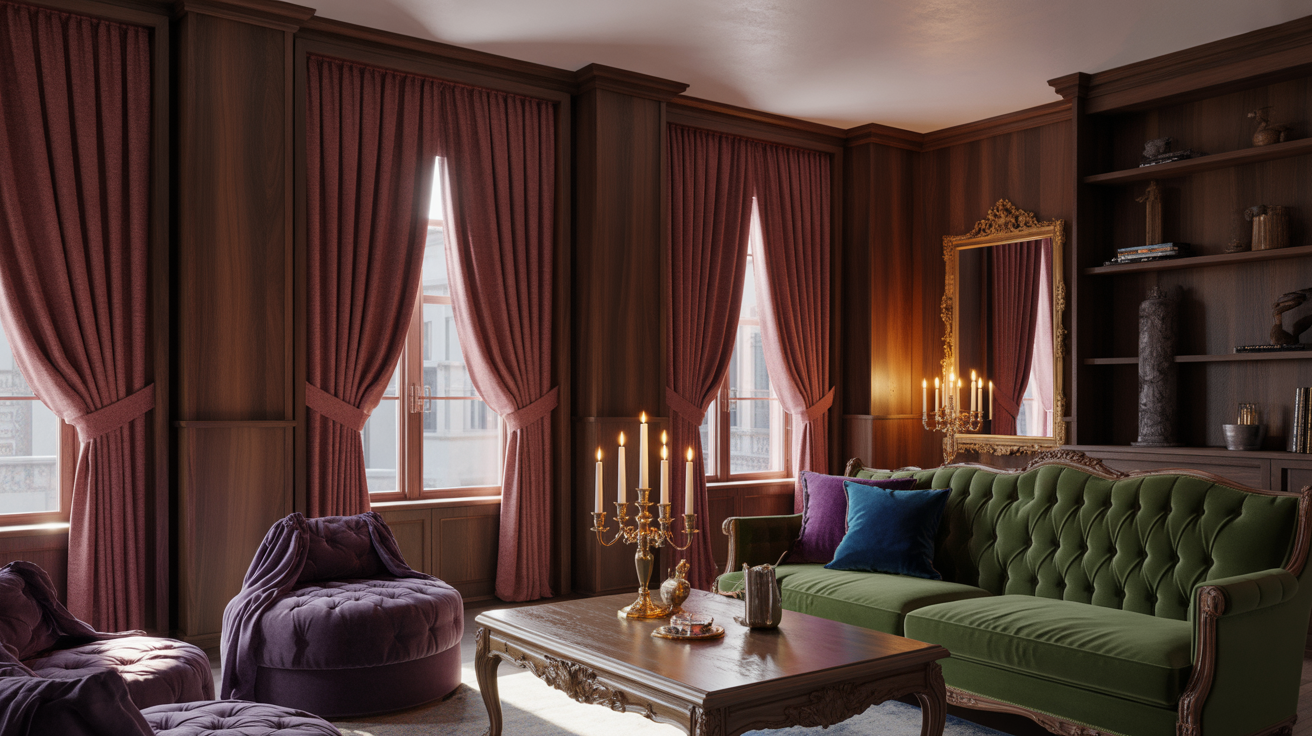

Gothic home decor has always fascinated interior lovers. The allure of Gothic interiors lies in its ability to combine drama in interiors, history and character, and timeless elegance. Walking into a Gothic-style room can feel like stepping into a castle or an old library. Velvet curtains pool across dark wood finishes, candlelight ambiance flickers against ornate mirrors, and every corner tells a story. Gothic design is not just about darkness; it is about presence over darkness and creating a soulful and immersive atmosphere. In this guide, we will explore ideas to bring Gothic home decor inspirations into your modern home, creating spaces that feel dramatic, cozy, and Pinterest-worthy.
Embrace Gothic Furniture with Character
Furniture is the foundation of Gothic interiors. The right pieces bring history and character into a room, making every corner feel intentional. Gothic furniture is known for its rich detail, carved surfaces, and luxurious materials that add moors-inspired interiors or castle-inspired design vibes.
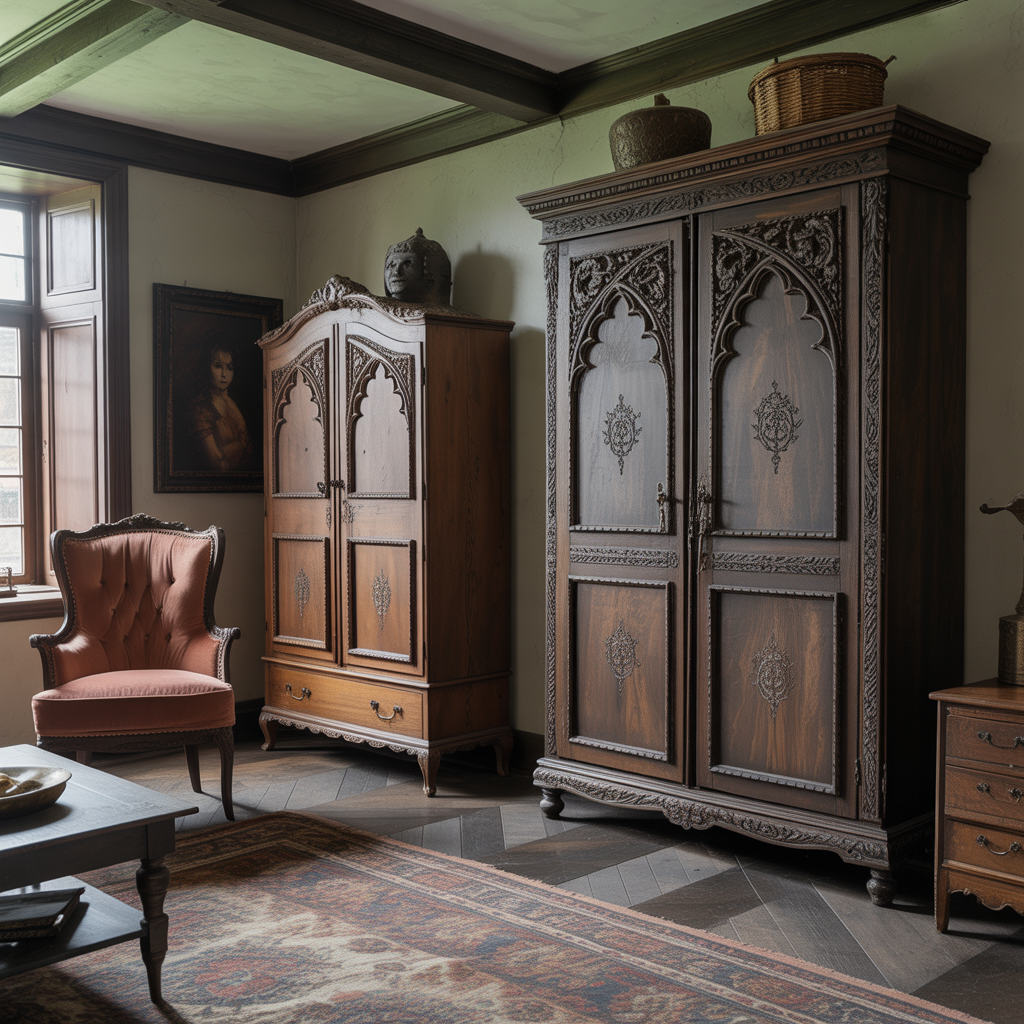
1. Antique and Vintage Pieces That Tell a Story
Antique furniture is central to authentic Gothic-style rooms. Pieces like a carved armoire, a velvet-upholstered chair, or a distressed bench can transform a modern living room into a dramatic retreat. Buying furniture from antique market finds, estate sales, or vintage stores can bring real antique charm into your home. Even one statement piece can anchor a room and create a mystical and theatrical vibe. These pieces also bring personal expression into your interiors, letting your space tell a story that is uniquely yours.
2. Distressed and Dark Wood Finishes for Mood
When true antiques are hard to find, distressed finishes on furniture can recreate the same rustic charm. Chalk-painted cabinets, sanded consoles, and dark wood tables add authenticity and a sense of age. These finishes enhance the textural richness of a room while supporting the dramatic atmosphere. Using a dark wood finish paired with layered textures like velvet curtains or layered rugs balances the space, creating a cozy vs. moody balance.
Choose Deep Colors and Dramatic Walls
Walls and colors set the tone for any Gothic interior. Choosing deep jewel tones such as burgundy, emerald, sapphire, and charcoal instantly adds drama. These colors help establish a mood and atmosphere that feels soulful and immersive. Accent walls are particularly effective in smaller spaces, providing shadow play in interiors without overwhelming the room.
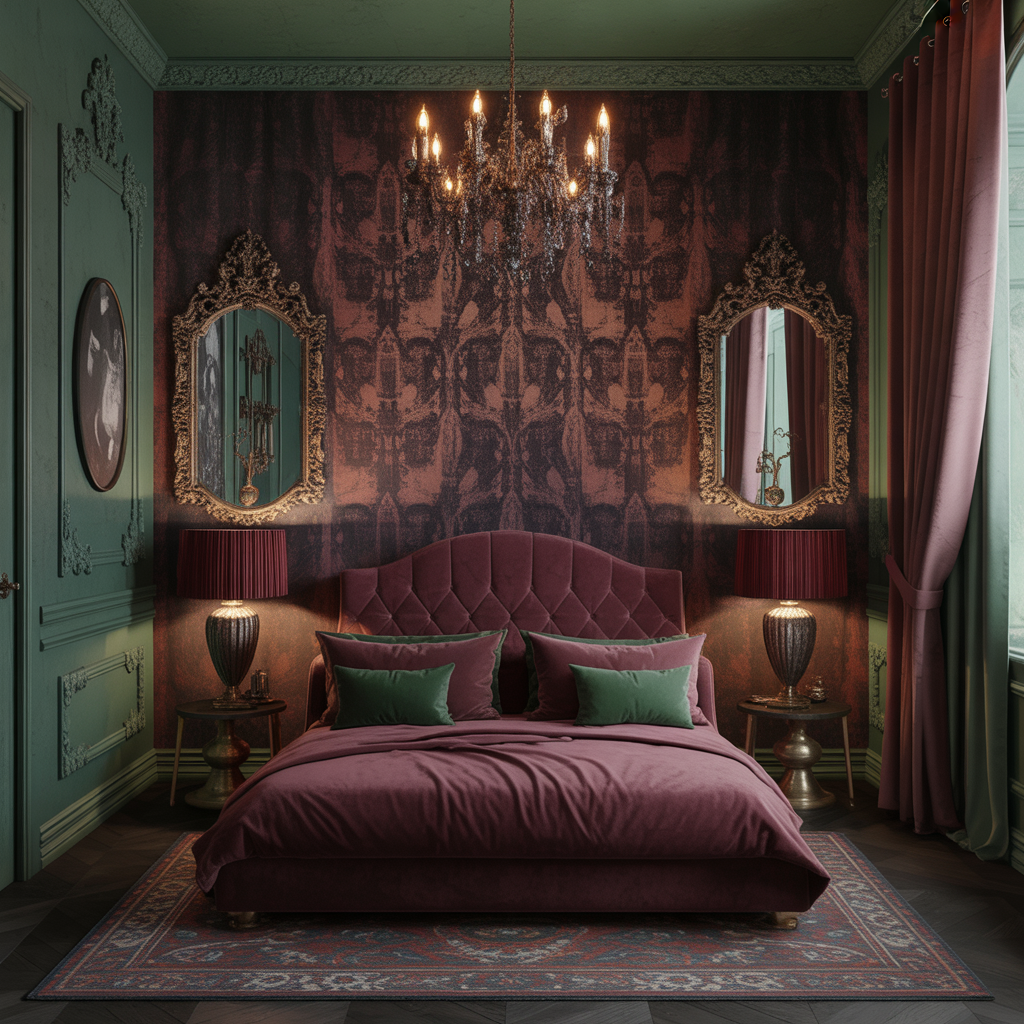
1. Rich, Dark Tones for Gothic Elegance
Rich, dark colors create an immediate sense of drama in interiors. A single charcoal wall can make artwork pop and give the room a cinematic feel. Deep jewel tones paired with luxurious upholstery like velvet or leather instantly elevate the space. By combining these tones with jewel-toned accents, you can create a balance between boldness and warmth, resulting in a cozy atmosphere that feels both elegant and inviting.
2. Statement Wallpapers and Textured Wall Art
Statement wallpaper is a hallmark of Gothic home decor inspirations. Dark damask, baroque florals, or moody medieval patterns turn ordinary walls into storytelling surfaces. Wallpapers can be used on accent walls, behind bookshelves, or in alcoves for maximum visual impact. Pairing wallpapers with ornate mirrors or stained glass panels adds visual contrast and depth, bringing life and energy to the interiors.
Lighting That Sets the Gothic Atmosphere
Lighting is essential in Gothic interiors because it shapes the sensory experience of a space. The interplay of shadows and glow creates a mystical and theatrical vibe.
1. Chandeliers, Lanterns, and Candlelight
Using chandeliers and lanterns can transform a room instantly. Crystal chandeliers or wrought iron decor lanterns cast dramatic light and shadows. Candlelight ambiance enhances the cozy atmosphere, creating a space that feels intimate yet grand. For safety, LED candles can mimic real flames while keeping the effect intact. The use of dimmer switches allows for gradual changes, enhancing the emotional impact of design throughout the day.
2. Heavy Drapes and Layered Curtains
Heavy drapes are iconic in Gothic interiors. Velvet or layered curtains filter natural light while adding elegance. Drapes in deep plum, burgundy, or emerald complement deep jewel tones and dark florals, amplifying the dramatic mood. Layering curtains also creates a textural richness that feels immersive, making the space cozy without feeling heavy.
Luxurious Textures and Fabrics
The touch and feel of materials play a big role in Gothic-style rooms. Layered textures and luxurious upholstery make interiors inviting and dramatic at the same time.
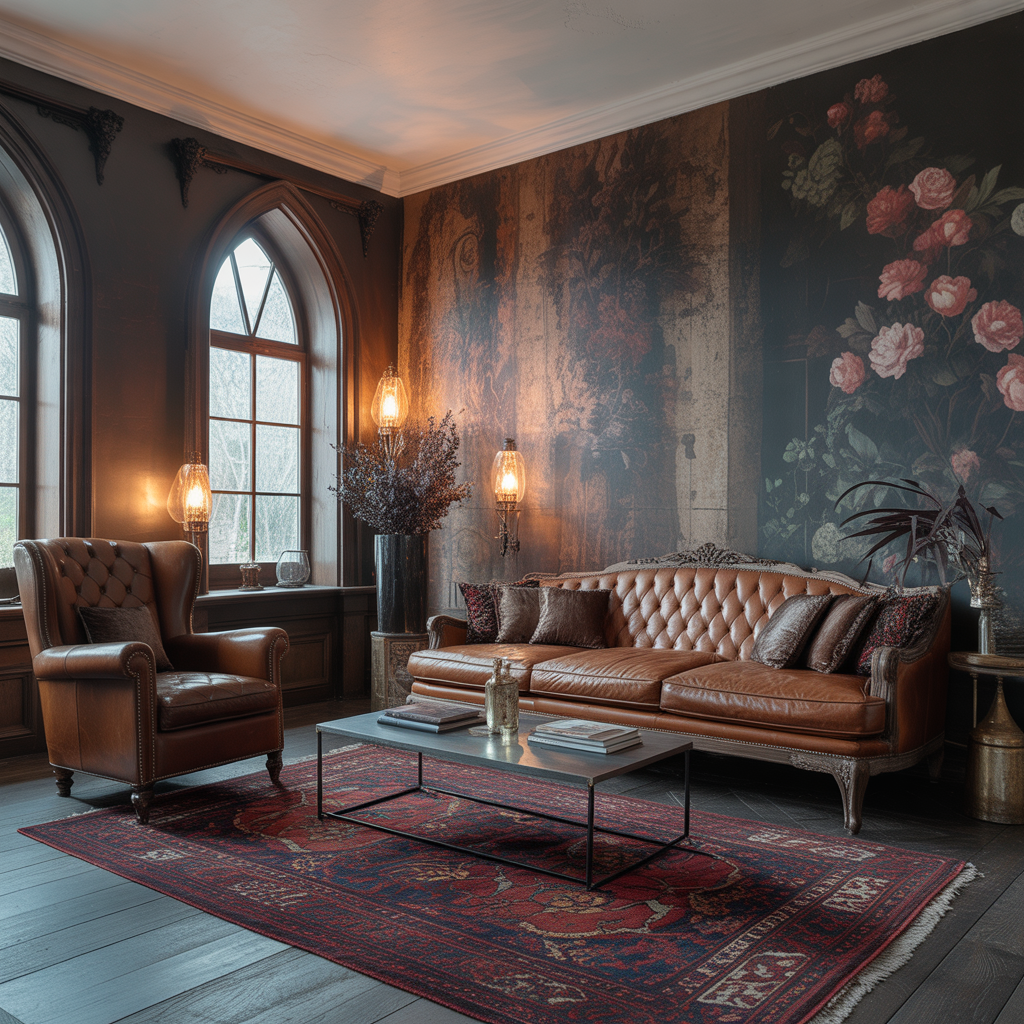
1. Velvet, Leather, and Plush Materials
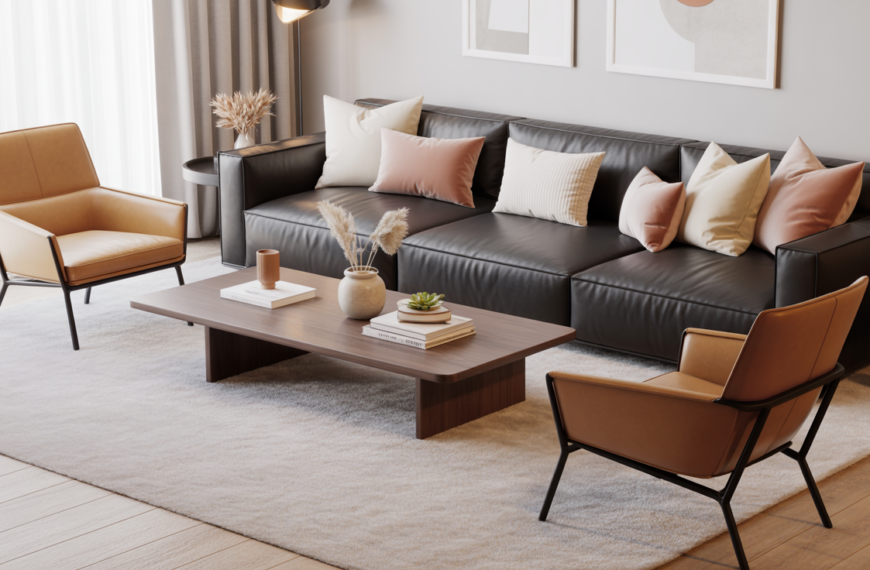
Velvet is the ultimate luxurious upholstery in Gothic interiors. Draped throws, velvet sofas, or leather armchairs elevate any room. Jewel-toned cushions in emerald or sapphire add moors-inspired interiors vibes while creating visual contrast and depth. Leather furniture also introduces timeless elegance and a sense of historic motifs.
2. Layered Rugs and Dark Florals
Layered rugs and dark florals enhance textural richness and provide grounding to Gothic rooms. Persian and Oriental rugs in deep reds and blues create castle-inspired design vibes, while dark florals like black calla lilies or burgundy roses add life without breaking the mood. Combining these with other textured fabrics like lace or metallic accents creates a layered and immersive space.
Gothic Art, Symbols, and Decorative Accents
Art and decorative accents define the personality of Gothic-style rooms. These pieces allow for storytelling through decor while adding emotional impact.
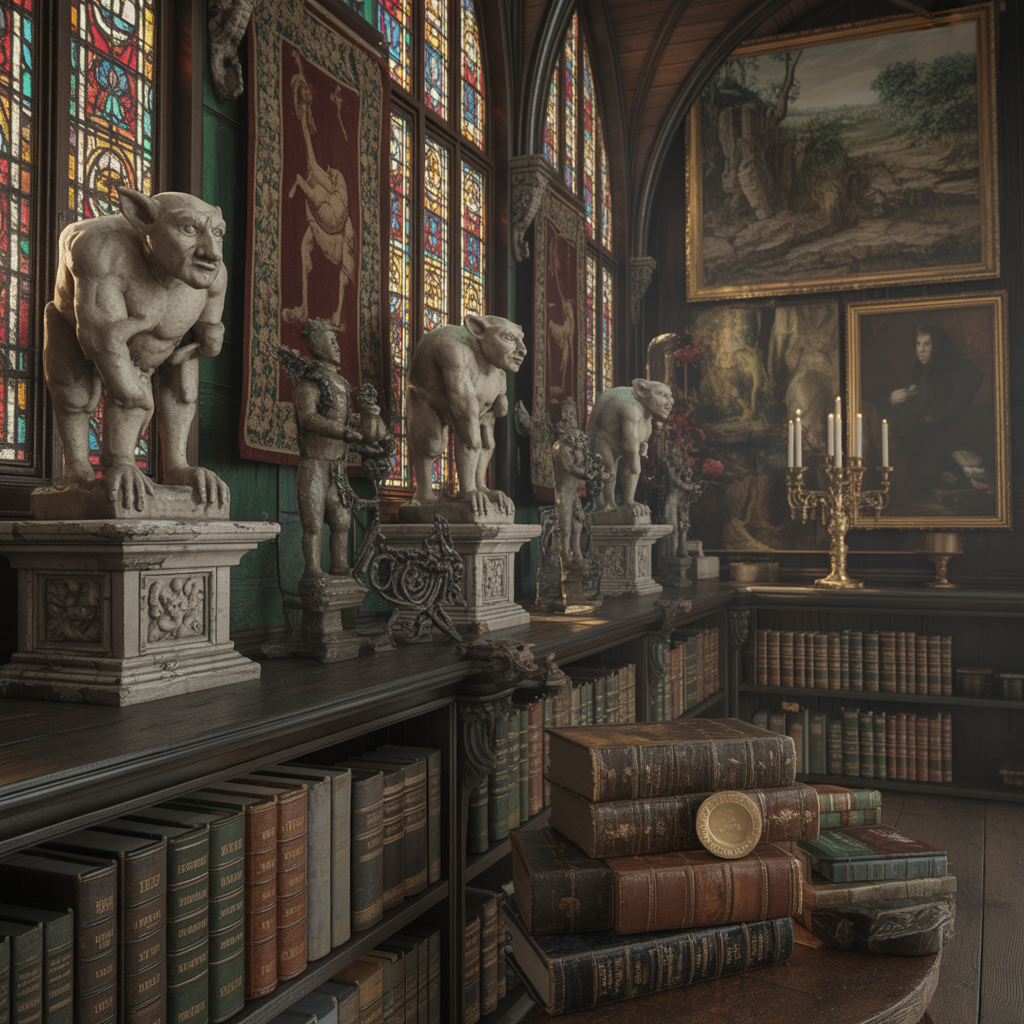
1. Gargoyles, Skulls, and Symbolic Sculptures
Gargoyles and sculptures create a focal point and enhance the dramatic lighting in the room. Carved skulls, raven figurines, or antique statues introduce historic motifs and a touch of mystery. The key is to use them sparingly to maintain elegance and avoid turning the space into a Halloween-themed room.
2. Gallery Walls, Tapestries, and Stained Glass
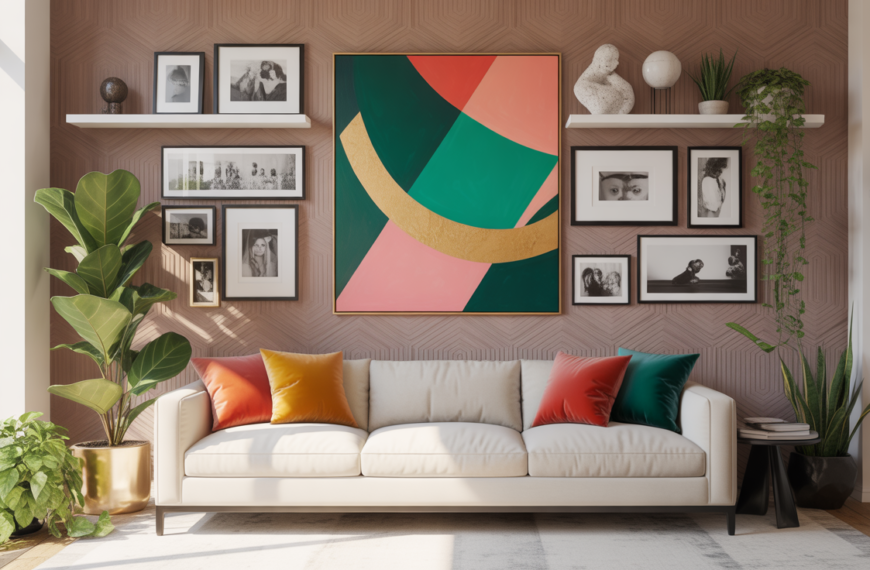
Gallery walls of portraits, maps, or landscapes tell stories across your home. Medieval tapestries can add warmth and soft acoustics, while stained glass panels scatter jewel-toned accents, creating an immersive visual contrast and depth. Mixing old and new frames preserves layered design while enhancing the cozy vs. moody balance of the room.
Blend Gothic with Modern Elements
Blending modern touches with Gothic design prevents the room from feeling heavy. Upcycled furniture and wrought iron decor work perfectly to create a mix of old and new. Using clean, modern lines alongside distressed finishes or antique pieces allows you to highlight architectural inspiration and personal expression.
1. Wrought-Iron Details and Modern Upcycled Finds
From bed frames to candle holders, wrought-iron details add strength and romance. Upcycling old furniture with black matte paint or gold leaf finishes introduces DIY creativity in interiors. These pieces become statement home accessories that elevate a room while staying budget-friendly.
2. Minimalist Touches That Highlight Gothic Features
Minimalist furniture or neutral walls can enhance Gothic interiors by letting dramatic elements like chandeliers, tapestries, or velvet curtains stand out. This creates presence over darkness, giving a balanced and visually appealing look.
Tips for Creating a Gothic-Inspired Room
Creating a Gothic-inspired room requires balance. Start by pairing antique and contemporary pieces, using accent lighting to set the mood, and layering textures to maintain a cozy atmosphere. Small touches like textured fabrics, layered rugs, and jewel-toned accents create small-space Gothic adaptations that feel both grand and livable.
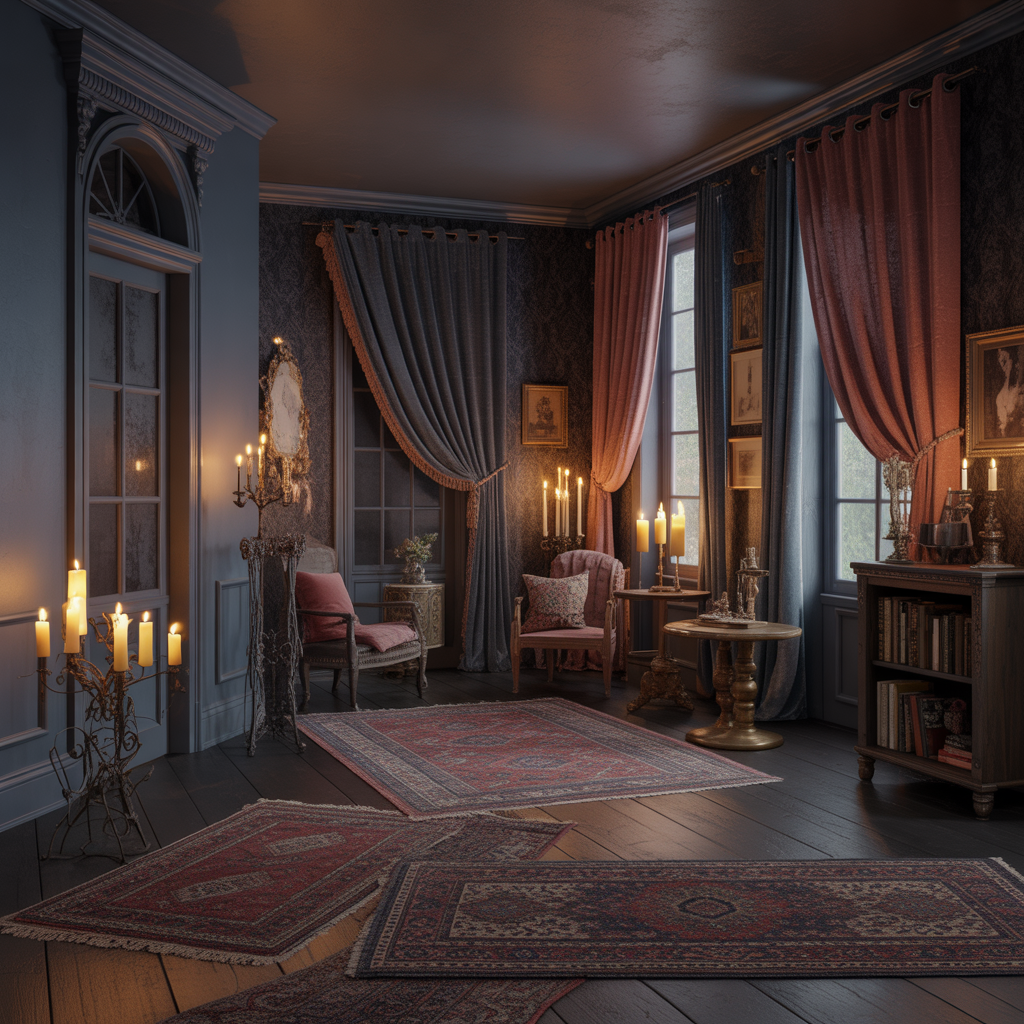
1. Balancing Dark and Light for Comfort
Incorporate mirrors, light-colored furniture, or single accent walls to prevent Gothic interiors from feeling oppressive. Shadow play in interiors can be controlled with drapes and lighting, making the space cozy vs. moody balance.
2. Mixing Antique with Contemporary Pieces
Pairing antique furniture with modern lighting, rugs, or wall art adds timeless elegance and ensures the space remains functional. DIY Gothic projects like painted frames or upcycled furniture allow personalization and creativity.
Why People Love Gothic Home Decor
The appeal of Gothic decor is its ability to evoke mystery, elegance, and soulful spaces. People love it because it allows for personal expression through dramatic design, combining historic motifs with contemporary living. It brings storytelling through decor, sensory experiences, and an emotional connection to interiors.
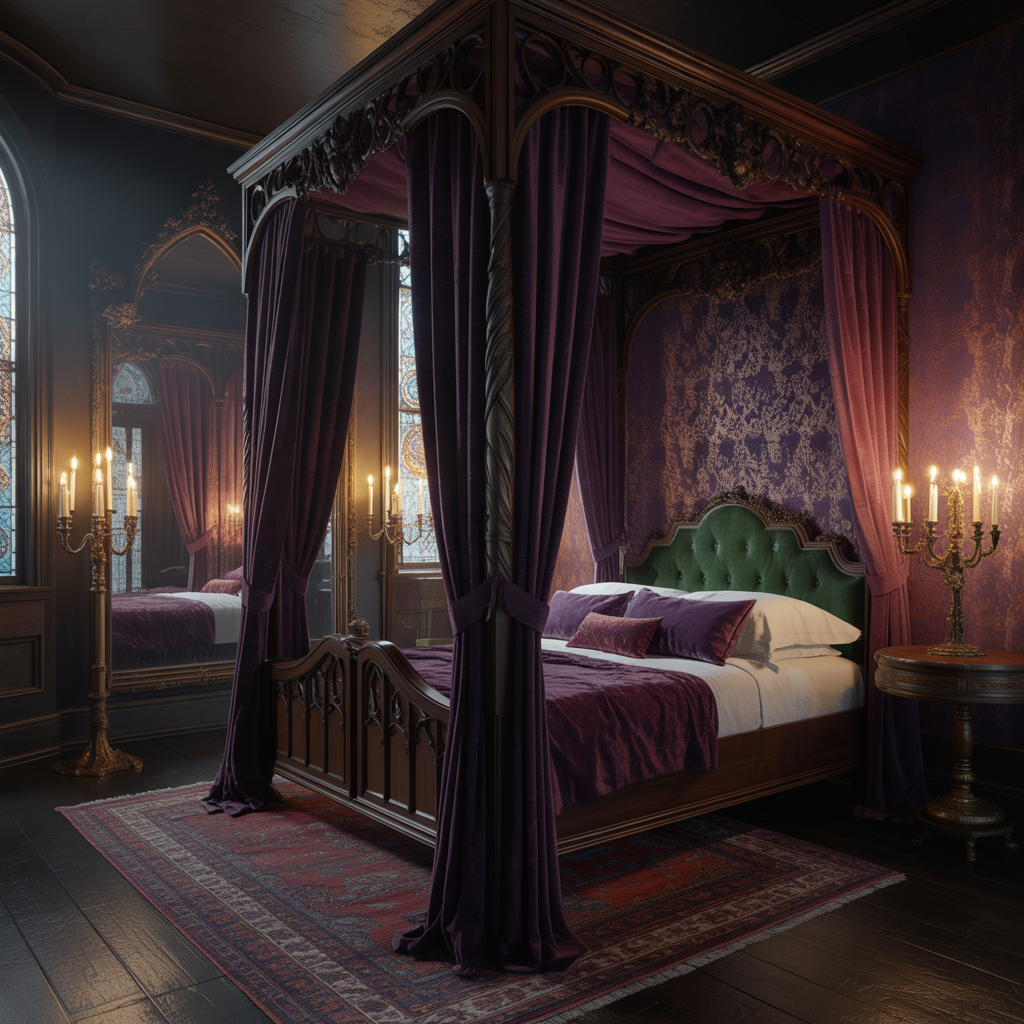
1. The Allure of Mystery and Elegance
Gothic interiors transport you into a different era, blending castle-inspired design, baroque elements, and deep colors. Every element, from ornate mirrors to medieval tapestries, adds a touch of intrigue and elegance.
2. Personal Expression Through Dramatic Design
Gothic design allows homeowners to showcase personality through statement wallpaper, antique furniture, dark florals, and layered textures. Every room becomes a reflection of taste, emotion, and creativity.
Final Thoughts on Gothic Home Decor Inspirations
Gothic home decor inspirations are more than just design—they are about creating a mood and atmosphere. Whether you choose upcycled furniture, velvet curtains, or stained glass, each element contributes to a dramatic lighting scheme and a cozy atmosphere. Gothic design blends history, texture, and personal expression, resulting in spaces that are immersive, elegant, and unforgettable. By combining antique charm with modern elements, layering textures, and using deep colors, you can transform any home into a Gothic-style room that is both captivating and livable.
FAQs
Q1. Can Gothic decor work in small rooms?
A: Yes, by using a single accent wall, one statement piece, and layered textures, Gothic design can feel cozy without overwhelming small spaces.
Q2. How do I choose colors for a Gothic interior?
A: Opt for deep jewel tones like burgundy, emerald, sapphire, or charcoal, paired with metallics or neutrals to balance drama and light.
Q3. Is Gothic home decor expensive?
A: Not necessarily; combining thrifted antiques, upcycled furniture, and DIY projects can achieve a luxurious Gothic look on a budget.
Q4. How can I mix Gothic with modern elements?
A: Pair antique furniture or wrought iron decor with minimalist layouts, neutral walls, or contemporary accessories to highlight Gothic features.
Q5. How do I prevent Gothic decor from feeling like Halloween?
A: Focus on timeless materials like velvet, leather, and wood, and use symbolic accents sparingly to maintain elegance and sophistication.

 By
By