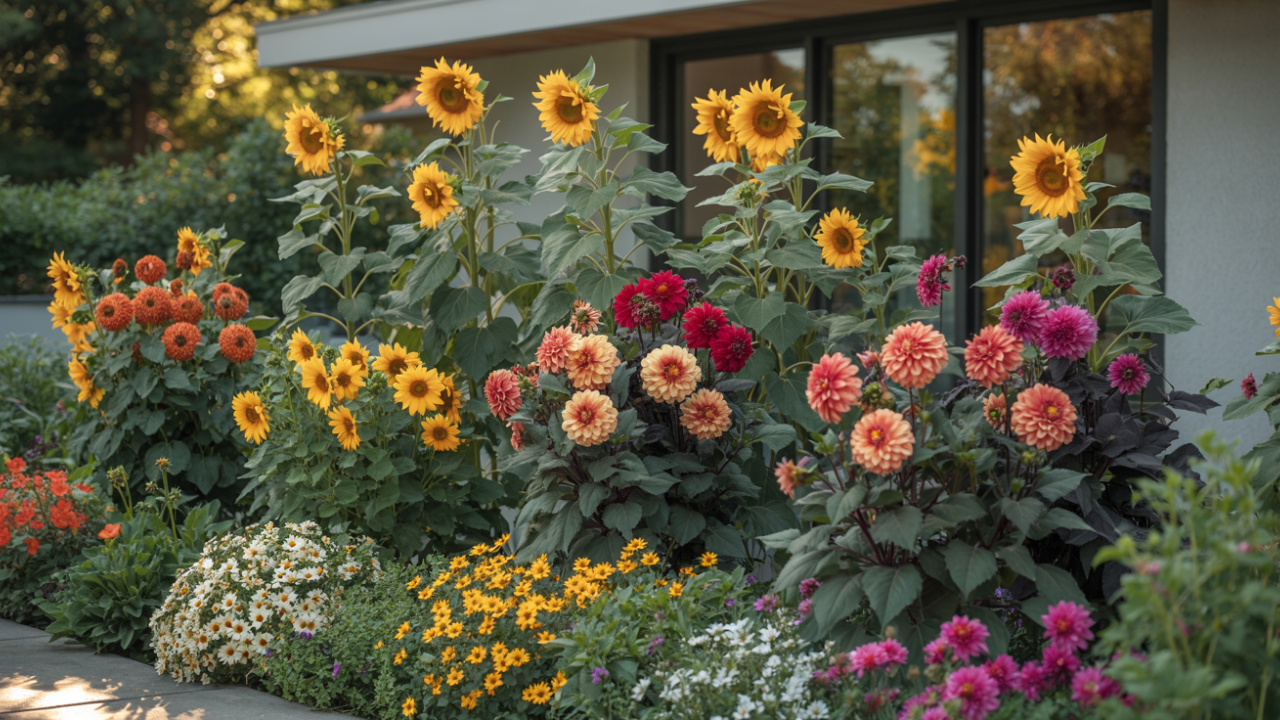

A front yard makeover can completely change the way your home looks and feels. One of the easiest ways to do this is by designing beautiful flower beds. Flower beds do more than just add color; they enhance garden aesthetics, improve curb appeal, and create a space that feels alive all year. Whether you have a large backyard or a small balcony, the right flower bed layout can transform your outdoor space into a peaceful outdoor retreat. From seasonal flowers to layered planting, there are endless ways to bring life to your garden.
Why Flower Beds Are a Game-Changer for Your Yard
Flower beds are essential for creating garden focal points. A well-designed bed adds structure and beauty to any yard. Beyond visual appeal, they attract pollinators such as bees, butterflies, and hummingbirds, making your garden a thriving pollinator-friendly garden. Homes with thoughtfully arranged flower beds often see an increase in curb appeal and even property value. A yard full of blooms can instantly brighten your home, offering both aesthetic pleasure and a calming environment.
Adding flowering shrubs and decorative plants around the beds can further enhance the space. Many homeowners find that flower beds become the highlight of their gardens, offering a combination of color contrast in gardens, texture in flower beds, and garden tranquility that plain grass cannot achieve.
Planning Your Flower Bed Layout for Maximum Impact
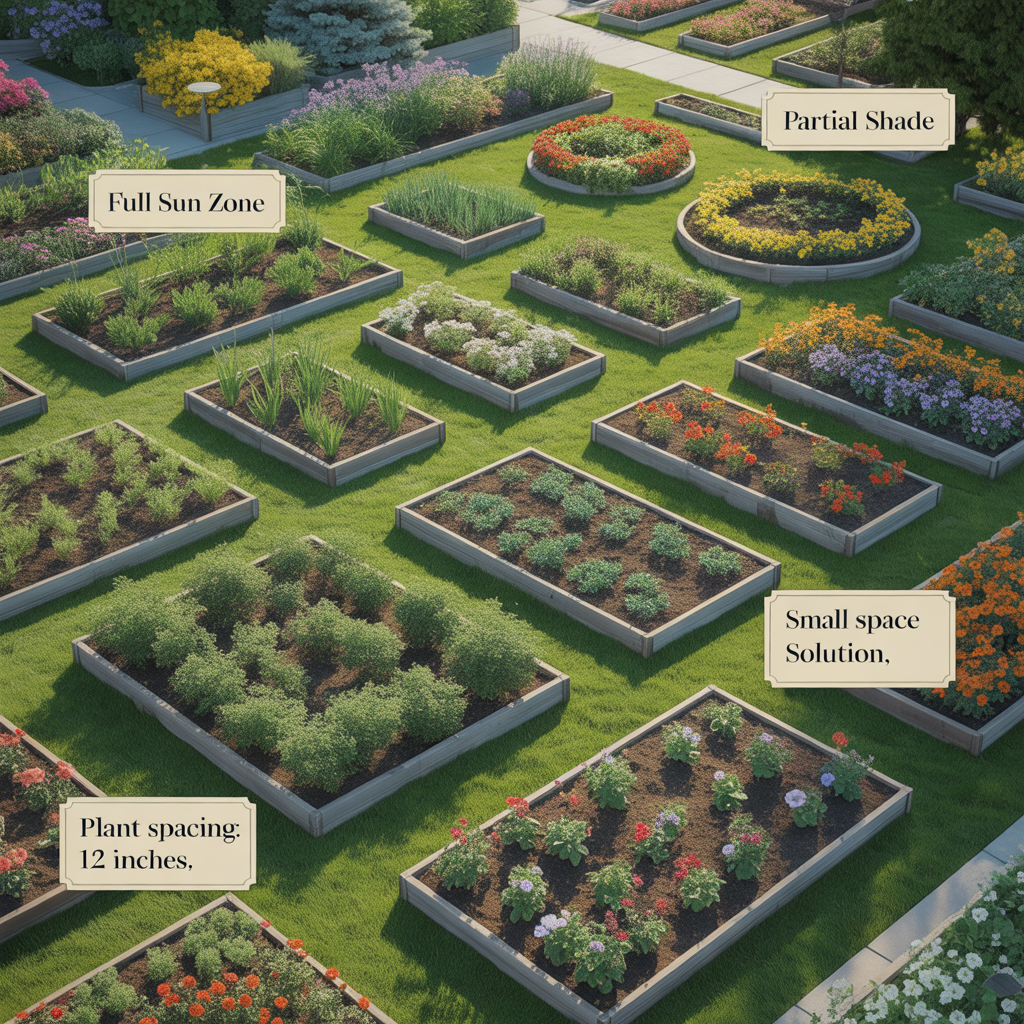
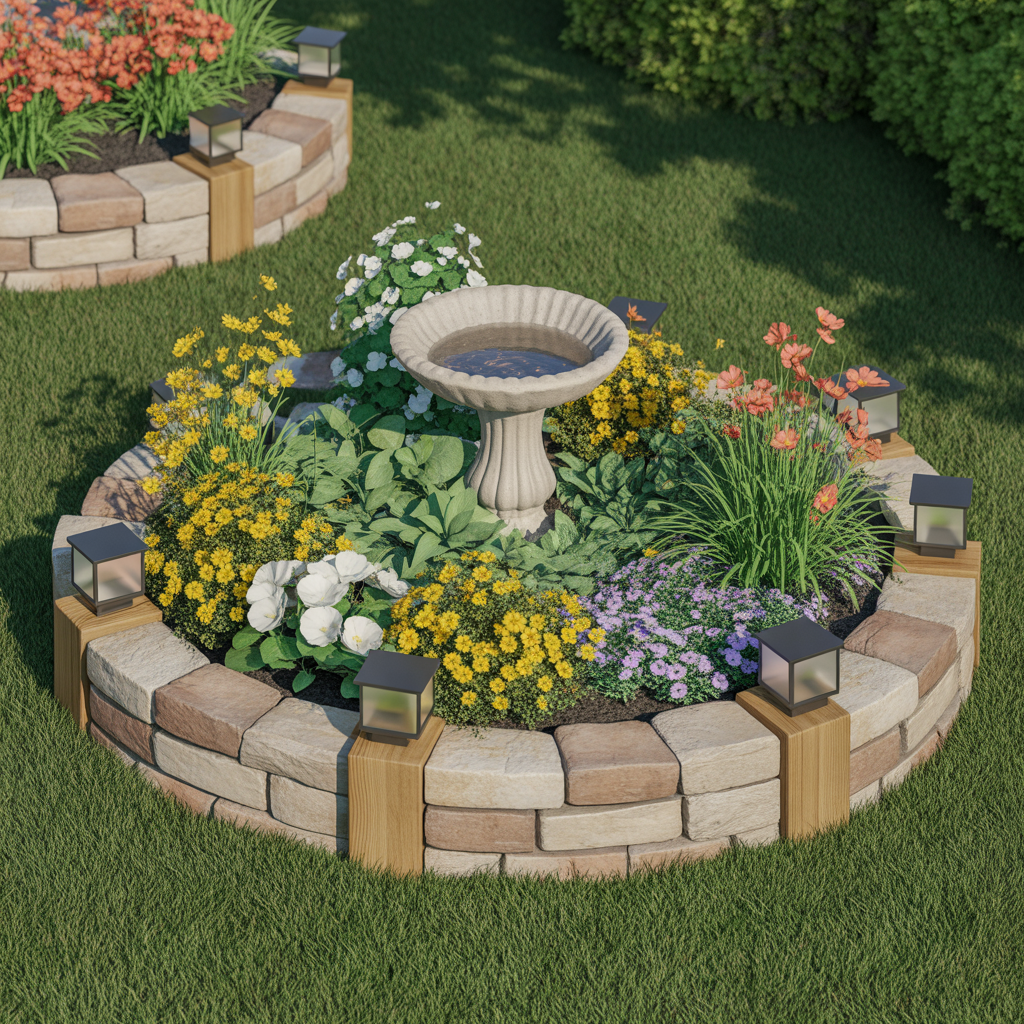
Before planting, careful planning of your flower bed layout is crucial. Choosing the right shape (rectangular, circular, raised, or layered) can make a huge difference. For example, raised flower beds can add height and create a dramatic effect in a large garden, while a circular bed can act as a centerpiece. For smaller spaces, container gardening or vertical structures can be used to maximize small-space gardening and balcony gardening.
Sunlight, soil quality, and spacing are other important factors. Flowers that need full sun should not be planted in shaded areas, and soil preparation is key for healthy growth. Proper garden maintenance and soil preparation help your flower beds stay vibrant through the seasons.
Small vs Large Flower Beds – How to Decide
Choosing between a small or large flower bed depends on your yard size and your goals. Small beds are perfect for small garden tips and can be enhanced with container gardening or vertical arrangements. Large beds allow for layered garden design, creating depth and texture. In both cases, flower arrangement ideas like alternating heights and textures can dramatically improve visual appeal.
Choosing the Right Flowers for Every Season
Selecting the right flowers is essential for blooms that last all season. Spring brings tulips, daffodils, and hyacinths. Summer calls for marigolds, petunias, and zinnias. Fall is perfect for chrysanthemums and ornamental cabbages, while winter can still have life with evergreen shrubs, holly, and pansies. Choosing a combination of perennials and annuals ensures year-round beauty.
Using planting tips, you can rotate flowers to maintain garden aesthetics and keep your flower beds vibrant throughout the year. For a sensory garden, select fragrant flowers like jasmine, lavender, and roses to combine aromatic plants with color.
Best Low-Maintenance Flowers for Busy Gardeners
Some flowers require minimal care and still offer beauty. Marigolds, impatiens, petunias, and lavender are excellent options. Mulch helps retain soil moisture, while proper pruning and flower bed maintenance can extend bloom life. Even small flower beds can feel lush with careful layering and choice of easy-care plants.
Mixing Colors, Textures, and Heights
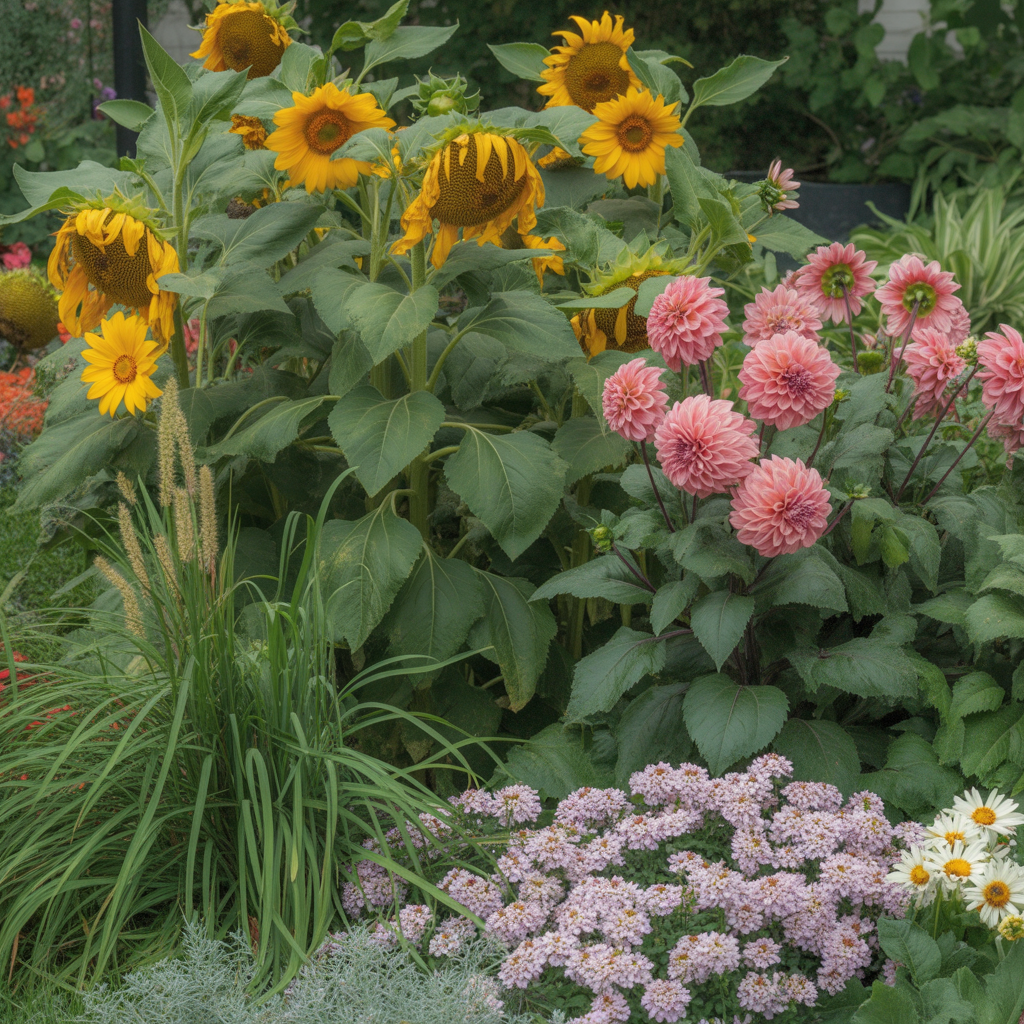
The right combination of colors, textures, and heights creates a dynamic flower bed. Use bold color contrasts to catch the eye, and mix foliage and ornamental grasses to add texture in flower beds. Layered planting is key: tall flowers in the back, medium in the middle, and ground-covering plants at the front. This approach creates depth and interest in your garden.
A simple table for flower layering can help plan your beds:
| Layer | Example Flowers | Notes |
| Tall Back | Sunflowers, Hollyhocks | Provides height and structure |
| Medium Middle | Dahlias, Salvia | Adds color and visual balance |
| Ground Cover | Alyssum, Creeping Thyme | Completes the bed and covers soil |
Even in small-space gardening, a single container can mimic this layered effect for a striking result.
Creating Pollinator-Friendly Flower Beds
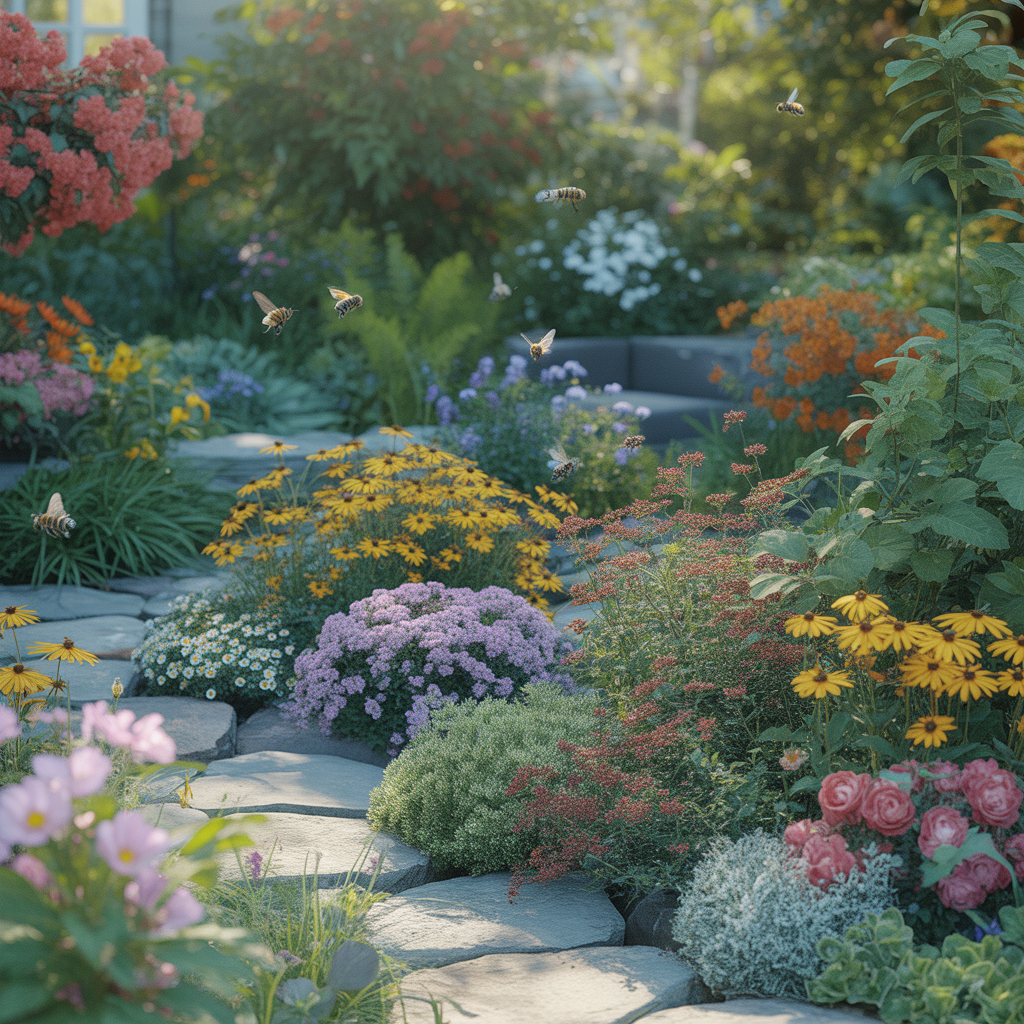
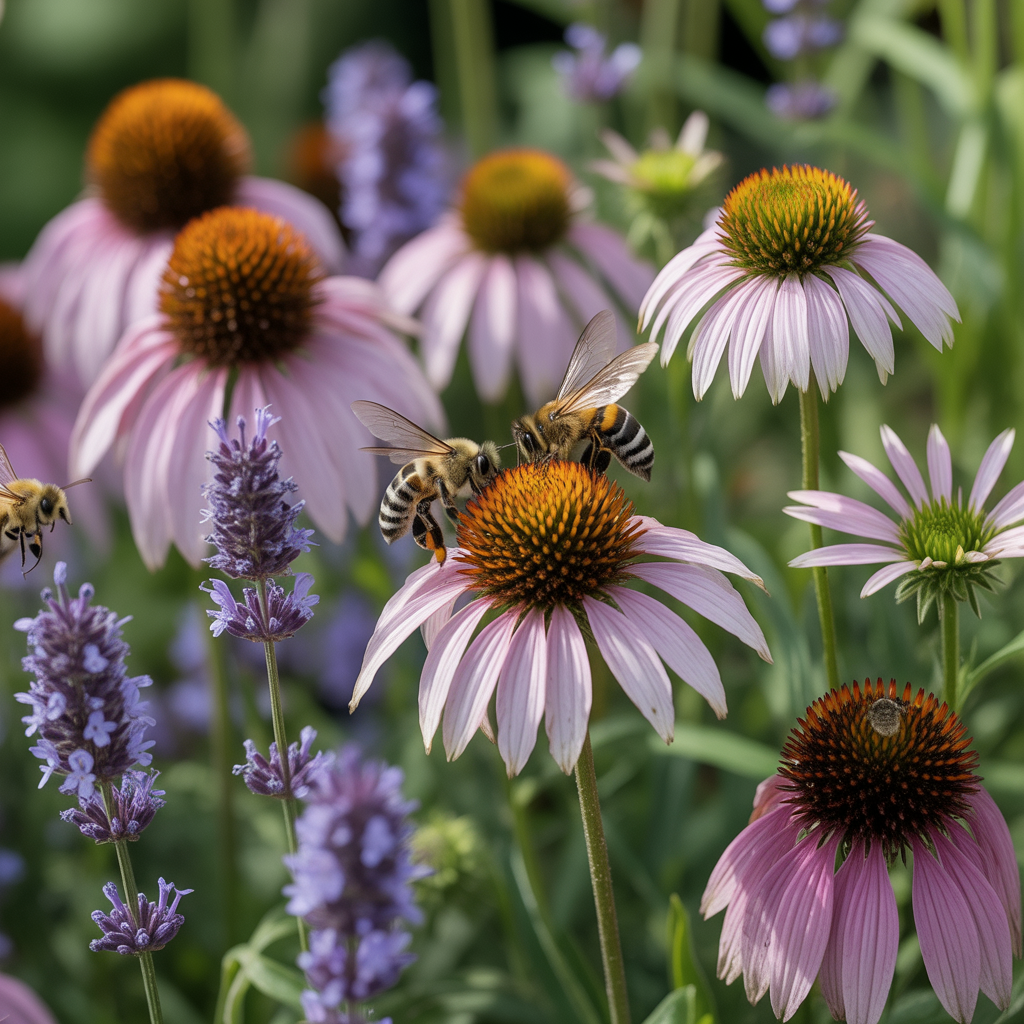
Pollinator-friendly gardens are essential for a thriving outdoor ecosystem. Flowers like lavender, coneflowers, and bee balm attract bees and butterflies, supporting pollination. Staggered blooms throughout the year ensure continuous food for pollinators and maintain year-round garden beauty.
Easy Pollinator Garden Tips for Beginners
Start with a few clusters of nectar-rich flowers. Avoid pesticides, add a small water source, and consider layered garden design to create visual appeal. Even a small balcony garden can serve as a mini outdoor retreat for pollinators while brightening your home.
Adding Fragrance and Romantic Touches
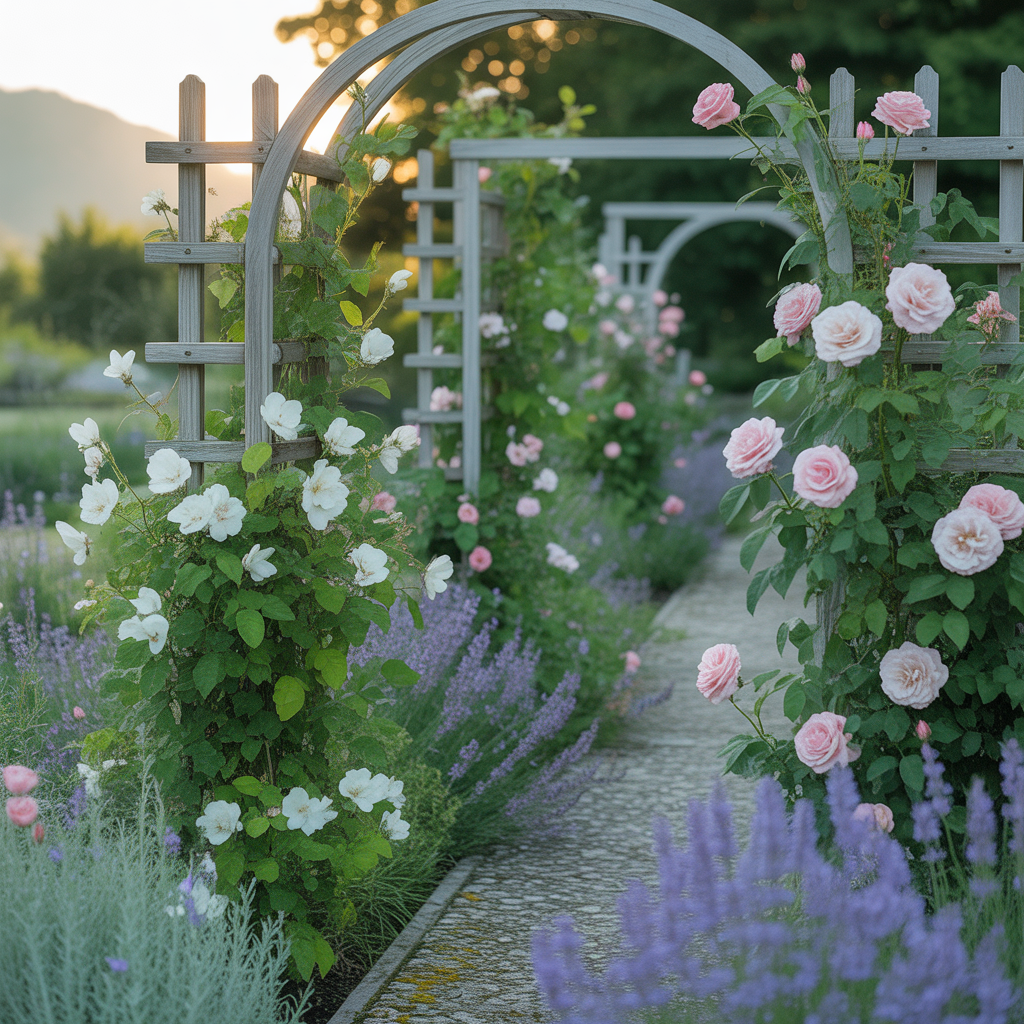
Fragrant flowers like jasmine, lavender, and gardenias can turn a simple flower bed into a sensory garden. Pairing scents with complementary colors enhances the mood of your outdoor space. Adding flowering climbers along archways or trellises creates a romantic feel and draws the eye upward, combining vertical gardening with fragrance. Even small window boxes can bring this experience to compact yards, delivering both beauty and garden tranquility.
Incorporating Design Elements That Make Your Bed Stand Out
To make your flower bed stand out, include edging and borders, pathways, stones, or garden ornaments. Items like birdbaths, statues, or solar lights act as garden focal points. Combining these elements with layered planting creates an eye-catching arrangement that enhances outdoor space design. Thoughtful details can make even a small raised flower bed feel intentional and luxurious.
Maintaining Your Flower Beds for Long-Lasting Beauty
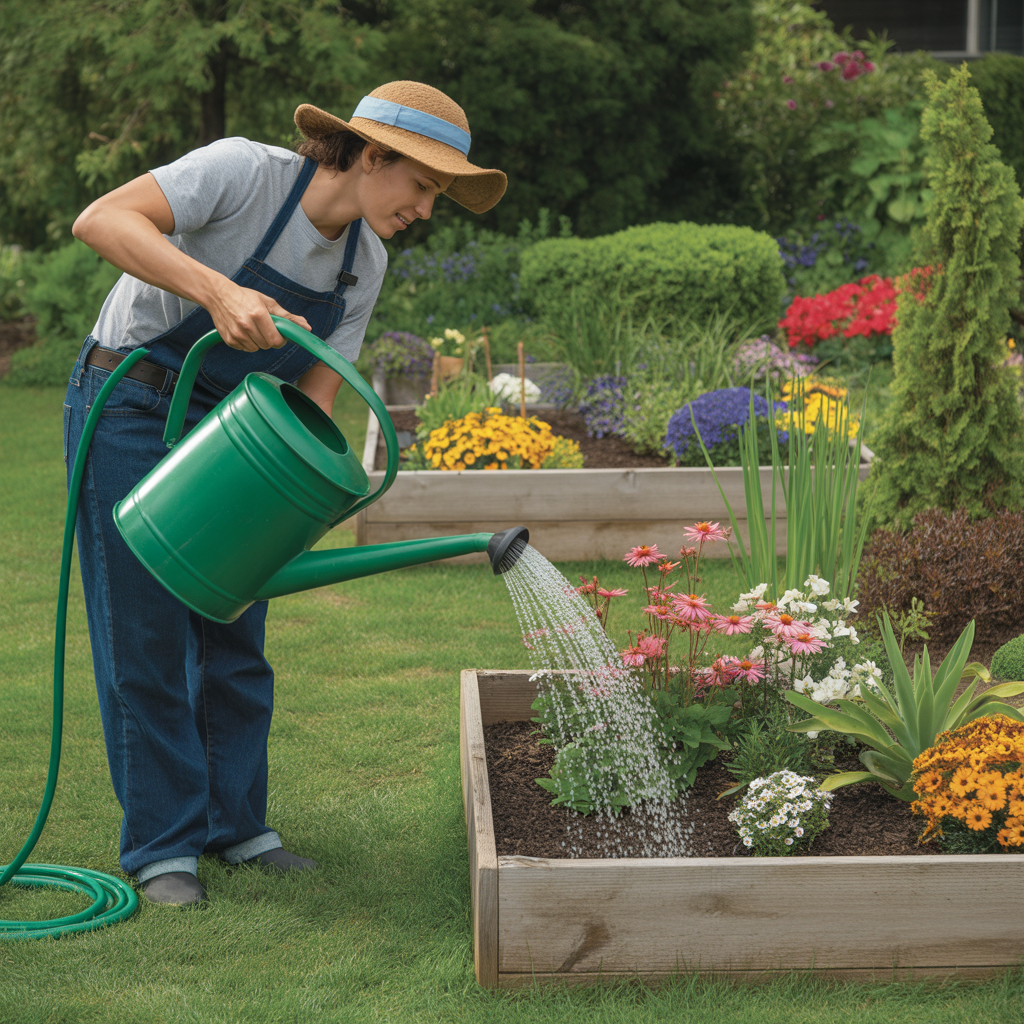
Proper garden maintenance is key to keeping your flower beds healthy. Watering deeply but infrequently encourages strong roots. Fertilizing and mulch application help flowers thrive. Deadheading and pruning extend bloom cycles, and seasonal checks ensure your beds remain vibrant. Sustainable practices like composting and using organic fertilizers contribute to sustainable landscaping while keeping your garden thriving all year.
DIY Flower Bed Ideas for Every Budget
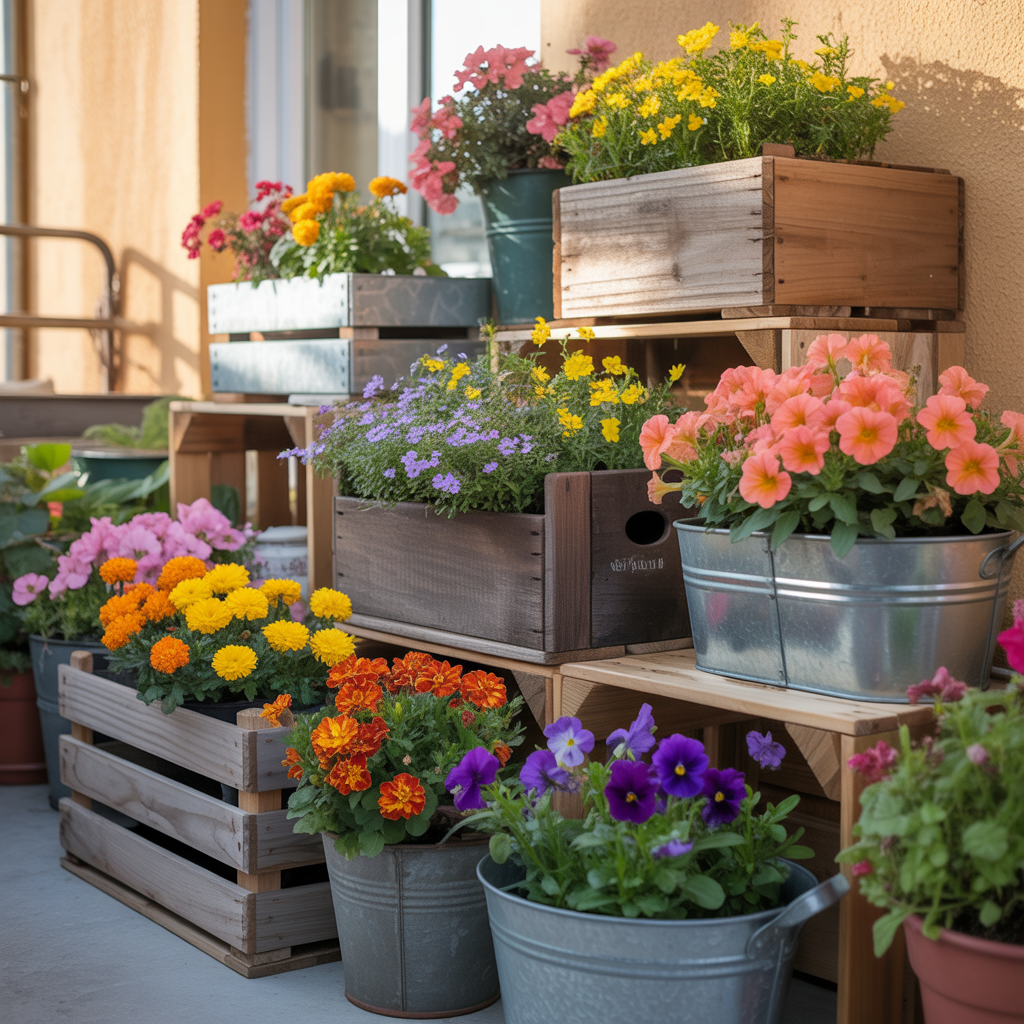
Creating stunning flower beds does not require a huge budget. DIY garden ideas include repurposing containers, building simple raised flower beds, or using recycled materials for borders. Small projects like vertical trellises, window boxes, or themed flower beds can dramatically improve garden aesthetics without overspending. Even a single pot with a mix of perennials, annuals, and fragrant flowers can provide a brighten your garden effect.
FAQs About Flower Beds
Q1: How do I prevent weeds in flower beds?
A: Applying mulch and regular weeding keeps beds clean and healthy.
Q2: Which flowers bloom the longest?
A: Perennials like lavender, coneflowers, and daylilies provide extended color.
Q3: Can I create a flower bed in a small yard?
A: Yes, small-space gardening techniques like container and vertical gardening work perfectly.
Q4: Do flower beds increase property value?
A: Thoughtful landscape design with well-maintained beds can boost curb appeal.
Q5: How much maintenance do flower beds require?
A: Low-maintenance perennials with proper seasonal care minimize effort while keeping blooms vibrant.
Final Thoughts:
Flower beds are more than decoration; they are a way to connect with your garden and enjoy year-round garden beauty. Whether large or small, each bed can be designed to balance color, texture, height, and fragrance. By using flower arrangement ideas, layered planting, and pollinator-friendly garden techniques, your outdoor space can become a serene outdoor retreat full of life. Start with a small project, experiment with DIY garden ideas, and watch as your flower beds transform your yard, brightening your home and your mood.


 By
By


 lxbfYeaa says: