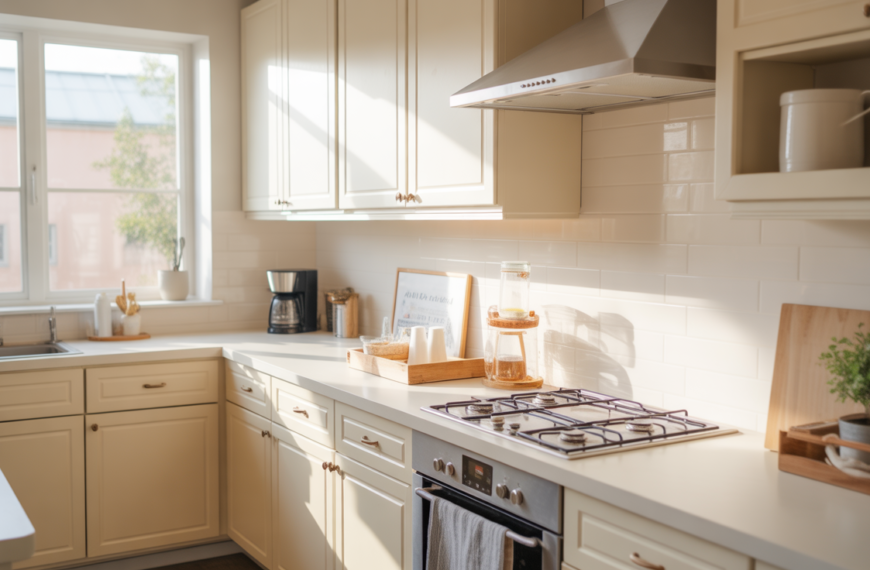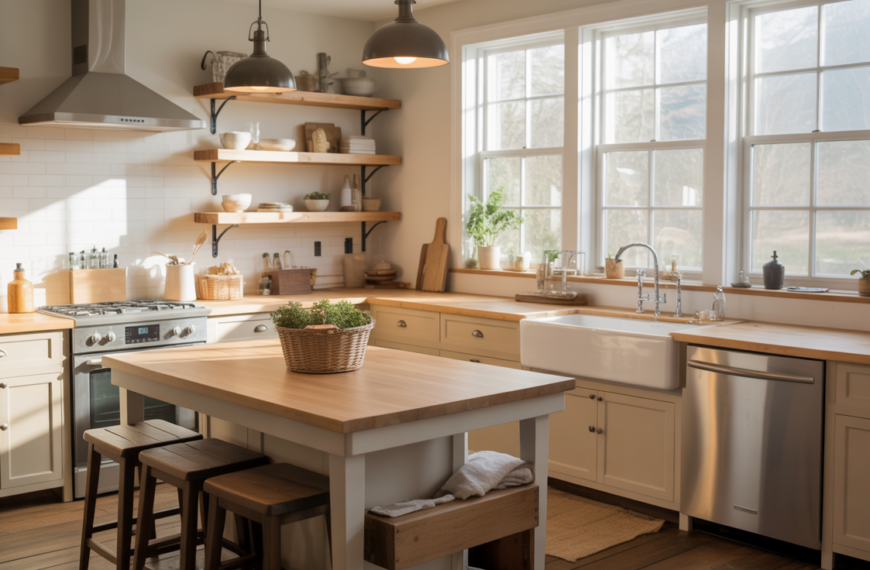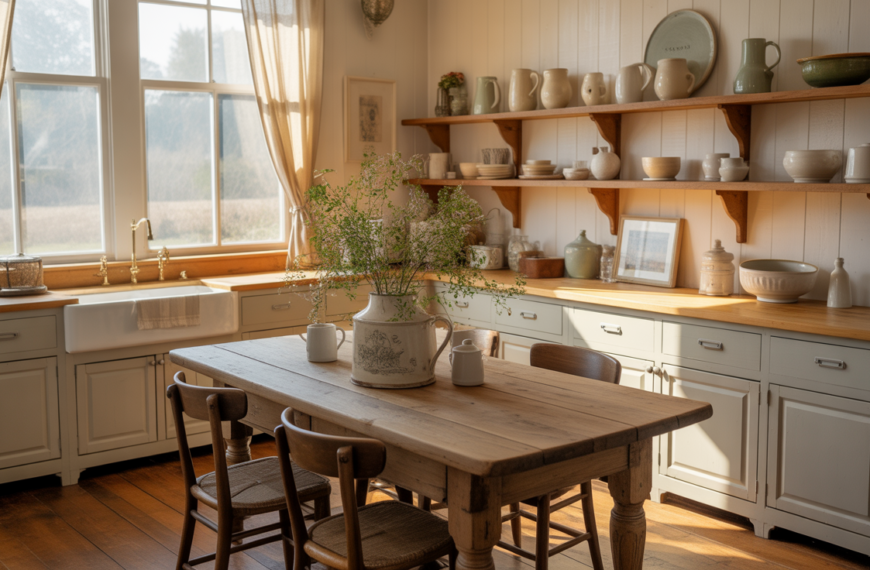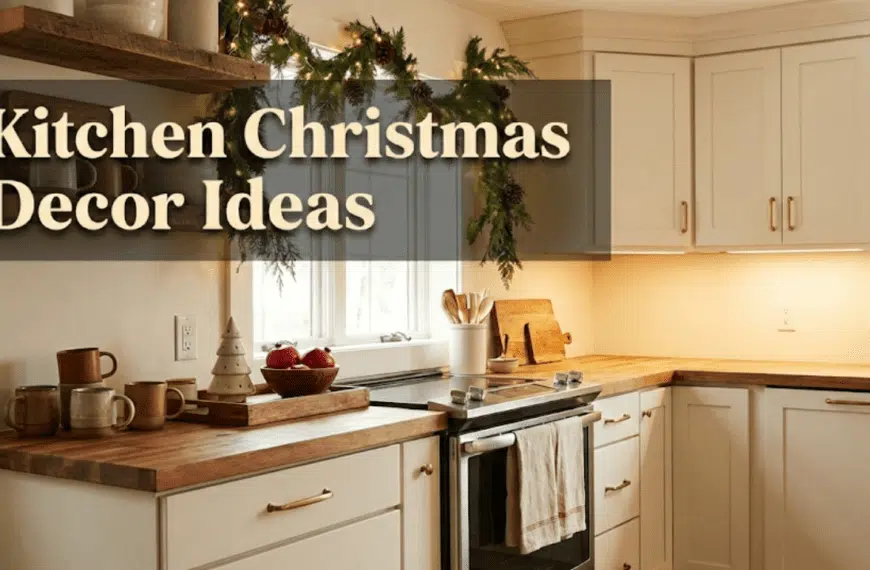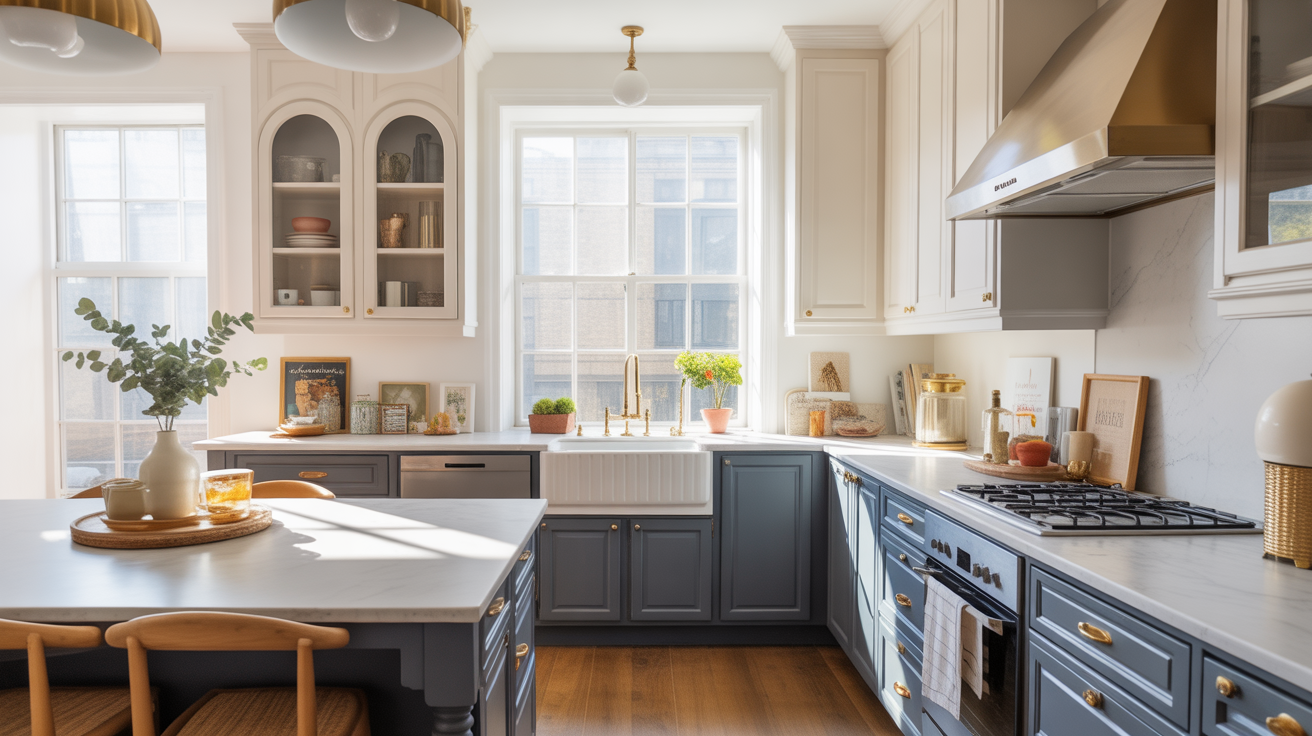

Choosing the right kitchen cabinet colors can completely change the look and feel of your home. The cabinet color is not just about paint; it sets the mood, enhances the kitchen style, and even affects the resale value. Whether you are doing a simple DIY cabinet painting, professional cabinet refinishing, or a full cabinet replacement, understanding colors and finishes is essential to create a kitchen that feels modern, cozy, and Instagram-ready.
Why Choosing the Right Kitchen Cabinet Color Matters
The cabinet color dominates the kitchen’s visual presence. On average, kitchen cabinets occupy 40-60% of the visual space. This means the color you choose will set the tone for the entire room. White cabinets and off-white cabinets create a fresh and bright kitchen, giving mornings an energizing feel, while soft gray or greige cabinets provide a calm and sophisticated look. Bold cabinet colors like matte black, navy cabinets, or forest green create visual drama and a statement kitchen with a “wow factor.”
From a functional perspective, the cabinet finish also matters. High-traffic kitchens, kid-friendly spaces, and homes with pets benefit from low-maintenance cabinets, fingerprint-resistant finishes, and durable cabinet paint. For resale, neutral shades like cream cabinets, soft gray, and light neutrals are safe bets, while personalized styles such as two-tone cabinets or accent cabinets can reflect your lifestyle and design personality.
Understand Your Kitchen’s Lighting Before Picking a Color
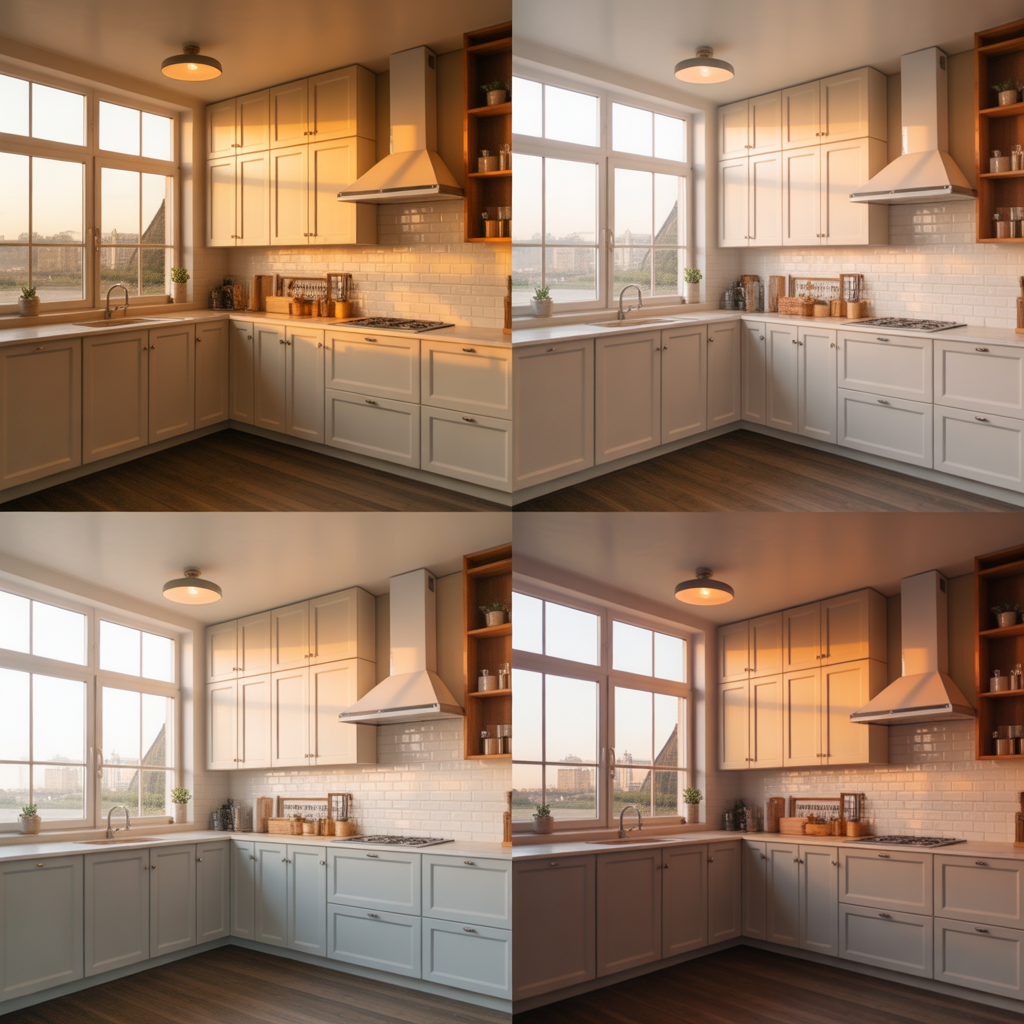
Lighting plays a huge role in how cabinet shades appear. Natural light changes throughout the day, and artificial light can make colors look warmer or cooler. North-facing kitchens can make dark cabinets feel smaller and gloomy, while south-facing kitchens enhance bold cabinet colors and statement cabinets.
Testing samples is crucial. Swatch testing on large boards or actual cabinet doors allows you to see how painted cabinets appear in morning light, midday sun, and evening artificial light. Light-reflecting colors like white cabinets, cream cabinets, or light neutrals can make compact kitchens feel larger, while dark cabinets can feel cozy but may need balance with bright walls or reflective finishes.
Match Cabinet Colors to Your Style and Lifestyle
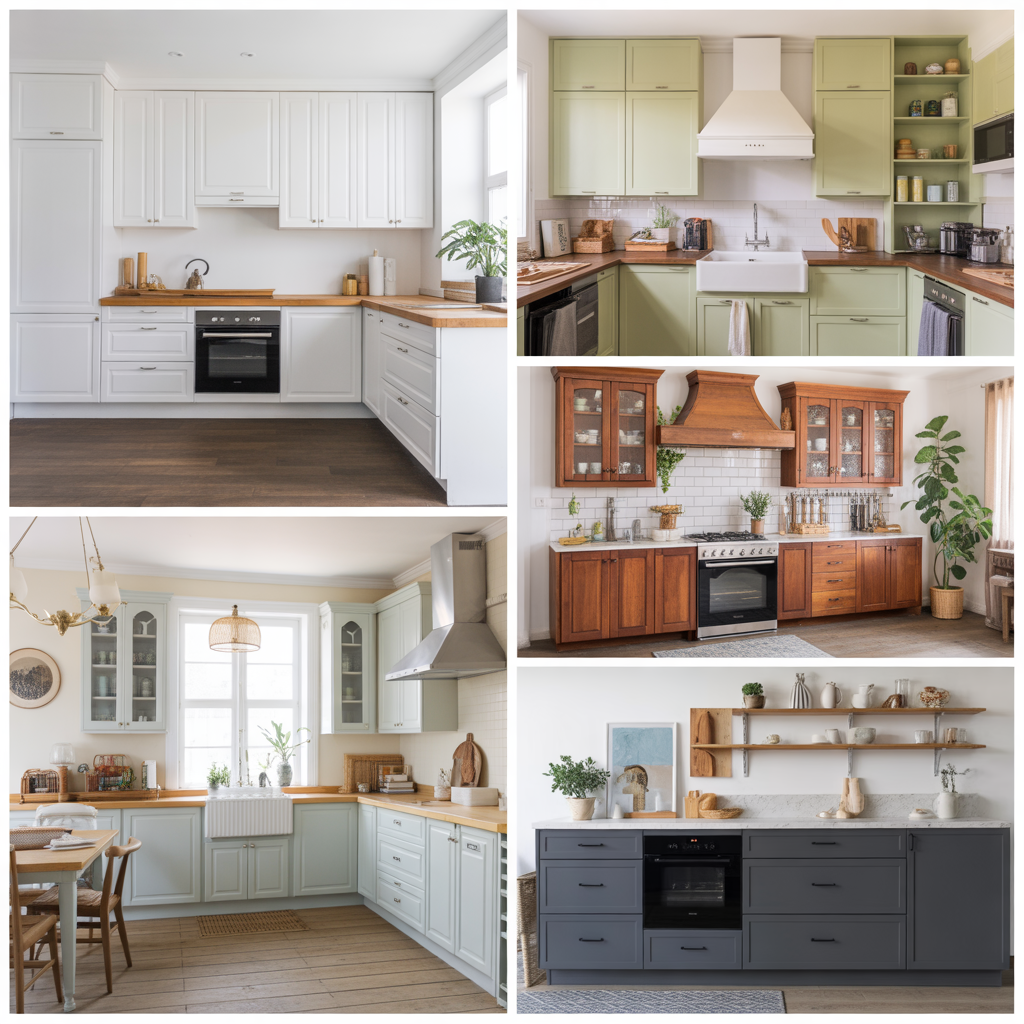
The style of your kitchen heavily influences cabinet color choices. Modern minimalist kitchens shine with white cabinets, matte black, or navy cabinets. Farmhouse kitchens thrive with sage green, cream cabinets, or taupe cabinets that feel warm and inviting. Rustic kitchens look perfect with earthy tones, blush tones, and stained wood cabinets. For coastal kitchens, soft blues, aquas, and light neutrals create breezy, relaxed vibes.
Lifestyle needs are equally important. Families with children or pets should focus on kid-friendly cabinets, pet-friendly cabinets, and finishes that resist fingerprints and smudges. High-traffic kitchens benefit from satin finish cabinets, semi-gloss finish cabinets, or glossy cabinets that are easy to clean. Renters often prefer light neutrals or swatch testing to ensure flexibility for future updates.
Timeless vs. Trendy Cabinet Colors
Timeless cabinet colors include white cabinets, off-white cabinets, soft gray, taupe cabinets, and greige cabinets. These shades are safe for resale, match most countertops and backsplashes, and never feel dated.
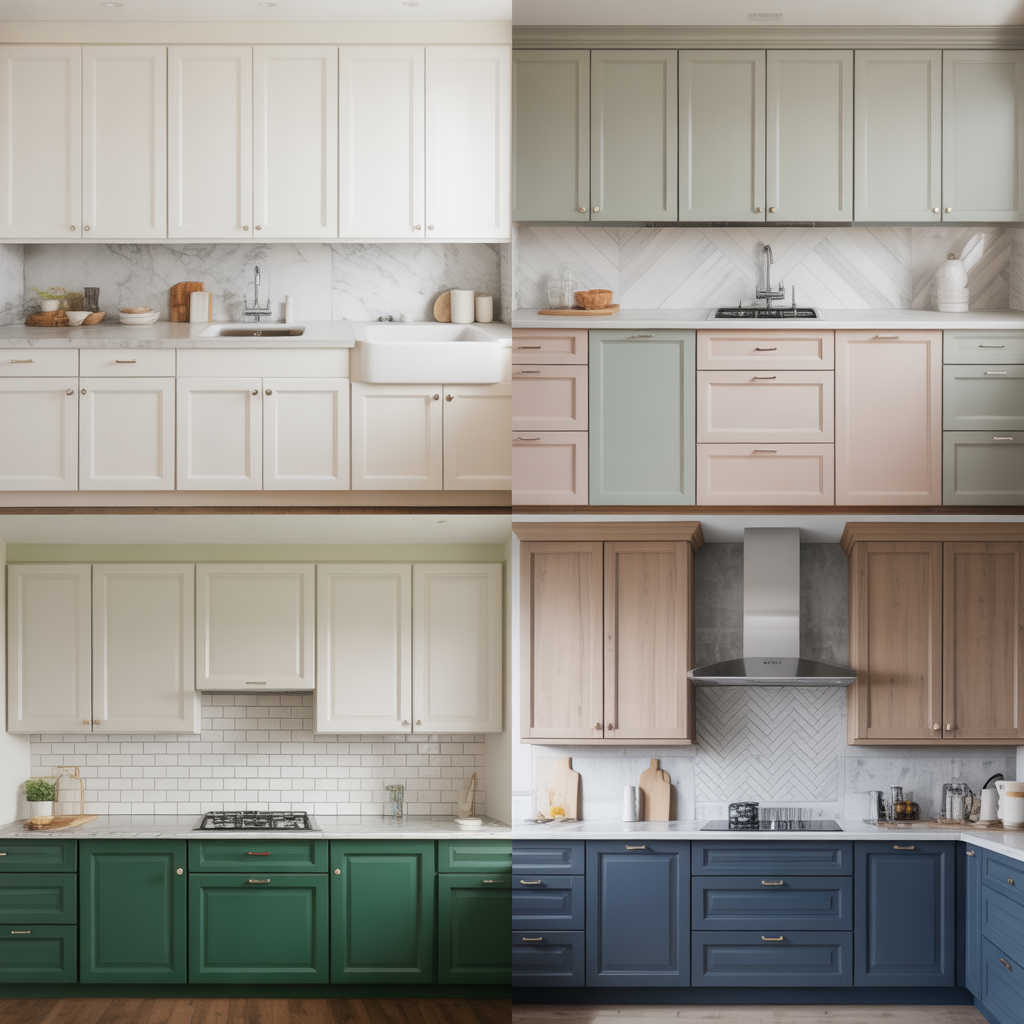
Trending colors 2025 focus on personality and boldness. Emerald, muted pastels, dusty blue, and two-tone cabinets are popular in modern kitchens. Accent cabinets in deep shades like matte black or navy cabinets provide visual drama without overwhelming the space.
Choosing between timeless and trendy colors depends on your goals. For long-term resale value, stick to neutrals with one bold statement cabinet for personality. For a fully personalized kitchen, incorporating multiple bold colors can create a dramatic, Instagram-ready design.
Coordinate Cabinets With Countertops, Backsplash, and Flooring
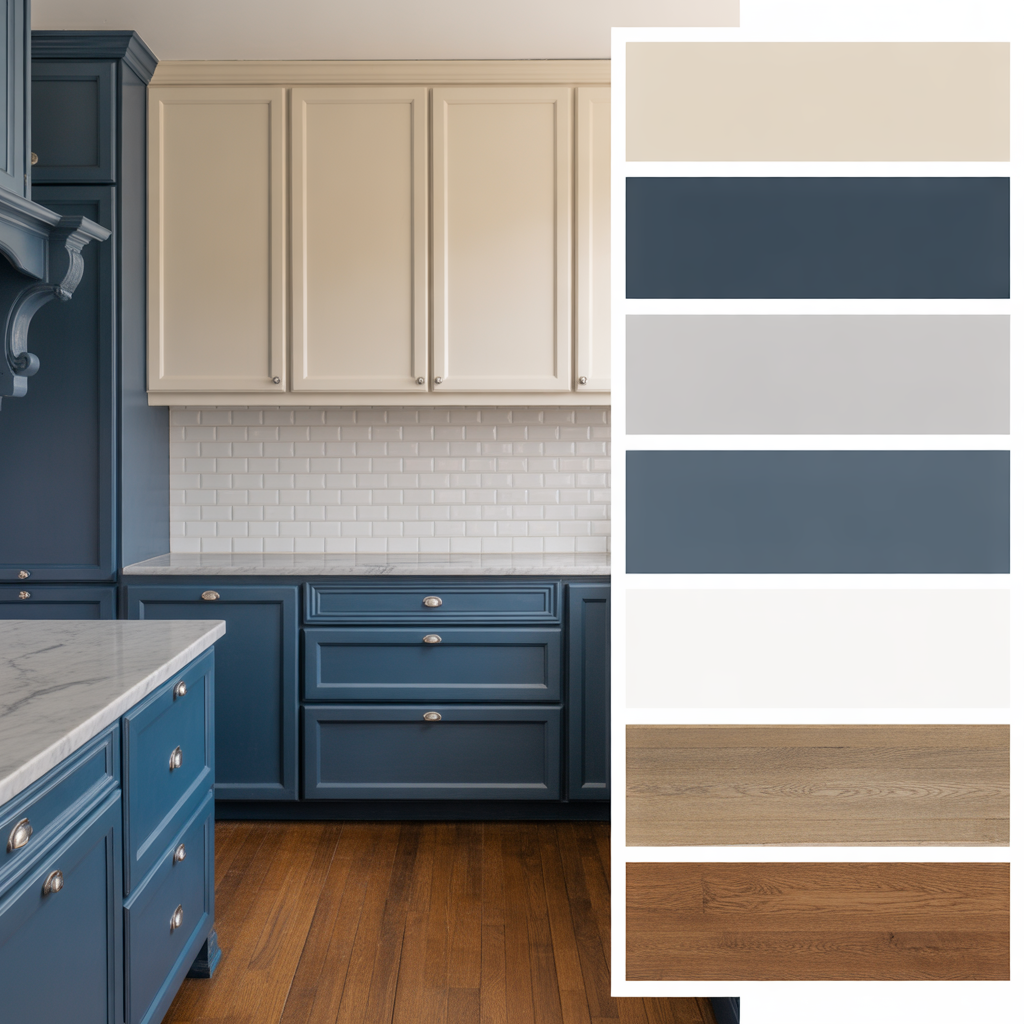
A harmonious kitchen comes from balancing cabinet colors with countertops, backsplash tiles, and flooring. Neutral cabinets pair beautifully with granite, marble, or quartz countertops. Warm wood cabinets look great with butcher-block counters, while light oak floors can enhance both light and dark cabinet shades.
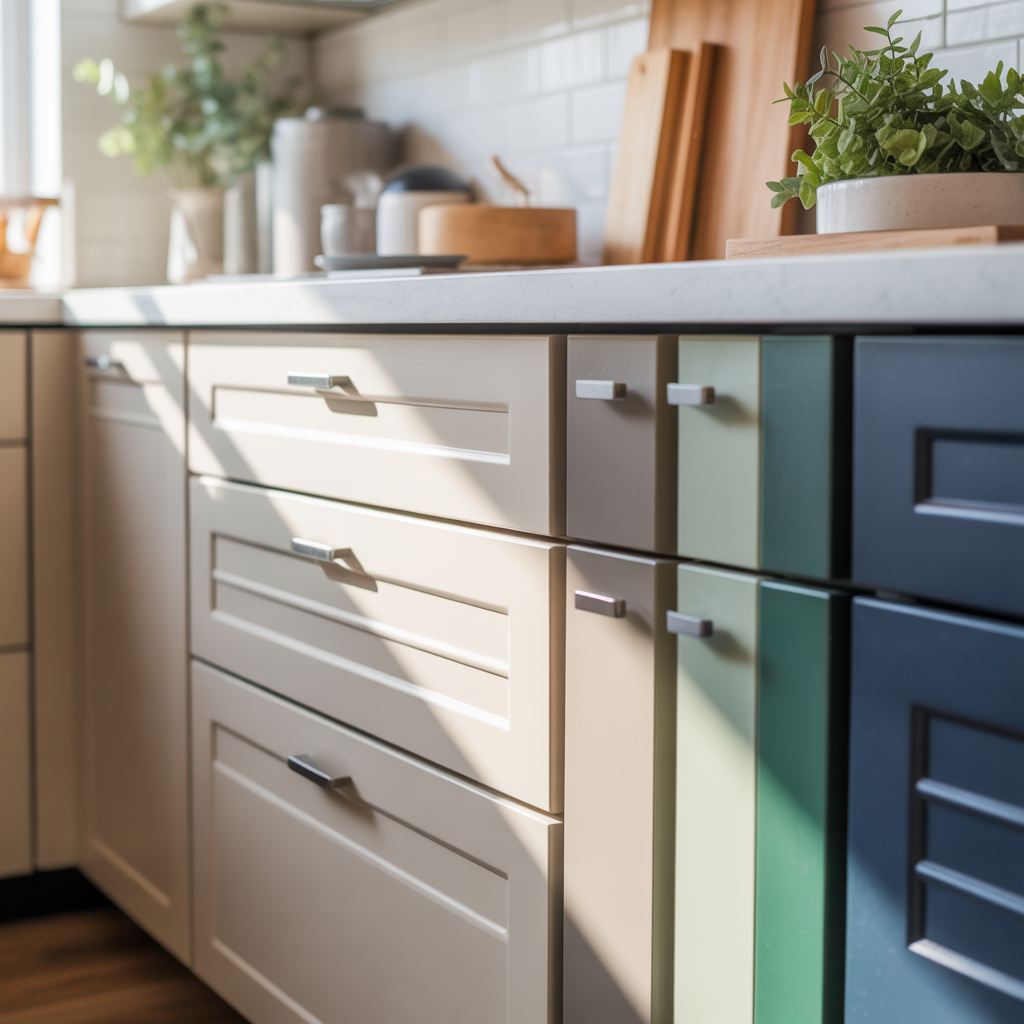
Two-tone cabinets are a clever trick. Lighter upper cabinets like Cloud White paired with darker lowers such as Iron Ore create height and depth. Matching cabinet finish with hardware, backsplash colors, and flooring ensures a cohesive and polished look.
Here’s a sample color coordination table:
| Cabinet Color | Countertop | Backsplash | Flooring | Finish |
| White Cabinets | Gray Quartz | Subway Tile | Oak Flooring | Semi-Gloss |
| Navy Cabinets | Marble | White Ceramic | Light Hardwood | Matte Finish |
| Sage Green | Butcher Block | Patterned Tile | Neutral Tile | Satin Finish |
| Matte Black | Concrete | Glass Tile | Dark Hardwood | Glossy Finish |
| Dusty Blue | Quartz | White Subway | White Oak | Semi-Gloss |
Bold & Creative Kitchen Cabinet Color Ideas
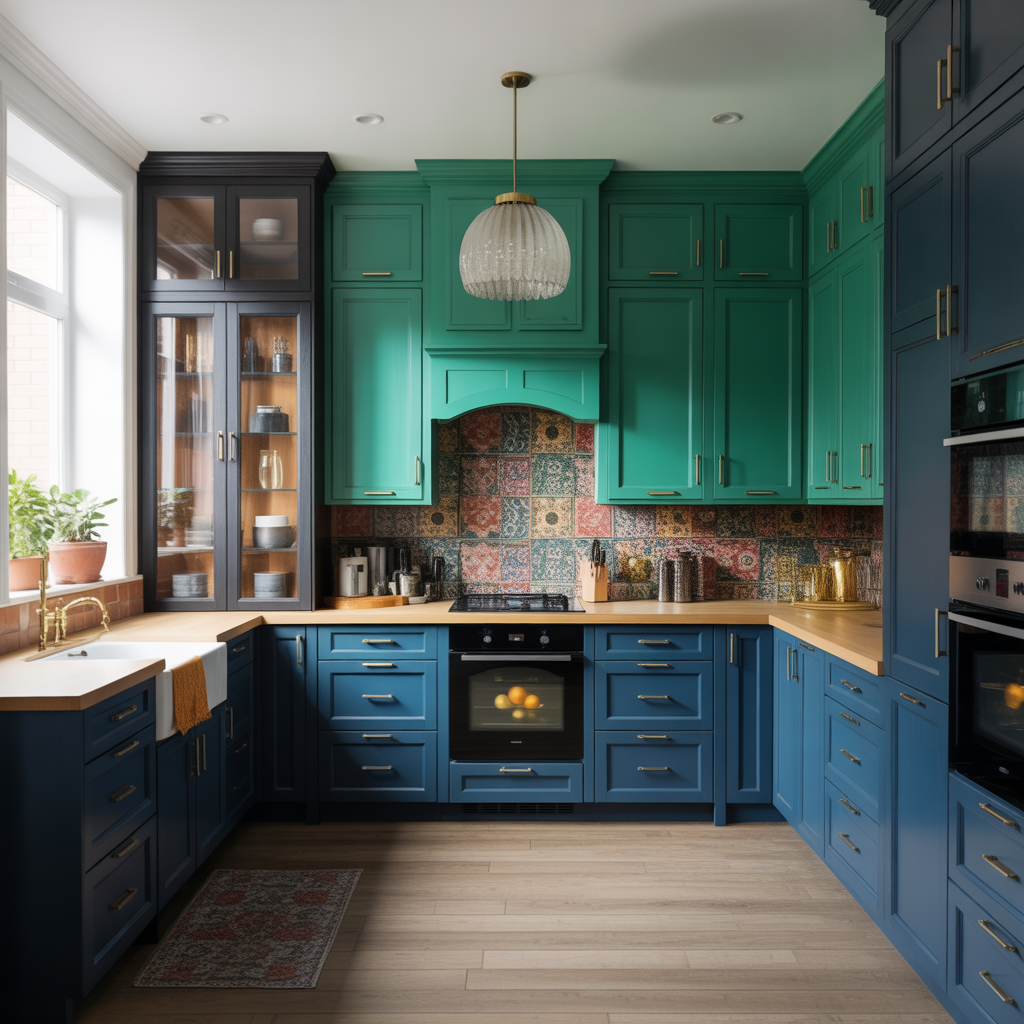
For a dramatic kitchen, consider statement cabinets with jewel tones, matte black, or two-tone cabinets. These bold cabinet colors create a strong visual impact. Mixing neutral upper cabinets with vibrant lower cabinets adds style without overwhelming the space. Accent cabinets in forest green or dusty blue can be paired with natural wood countertops to make the kitchen feel luxurious yet personal. Visual drama and a wow factor can also be achieved by combining different finishes like glossy cabinets with matte cabinets for contrast.
Small Kitchen Cabinet Color Tricks
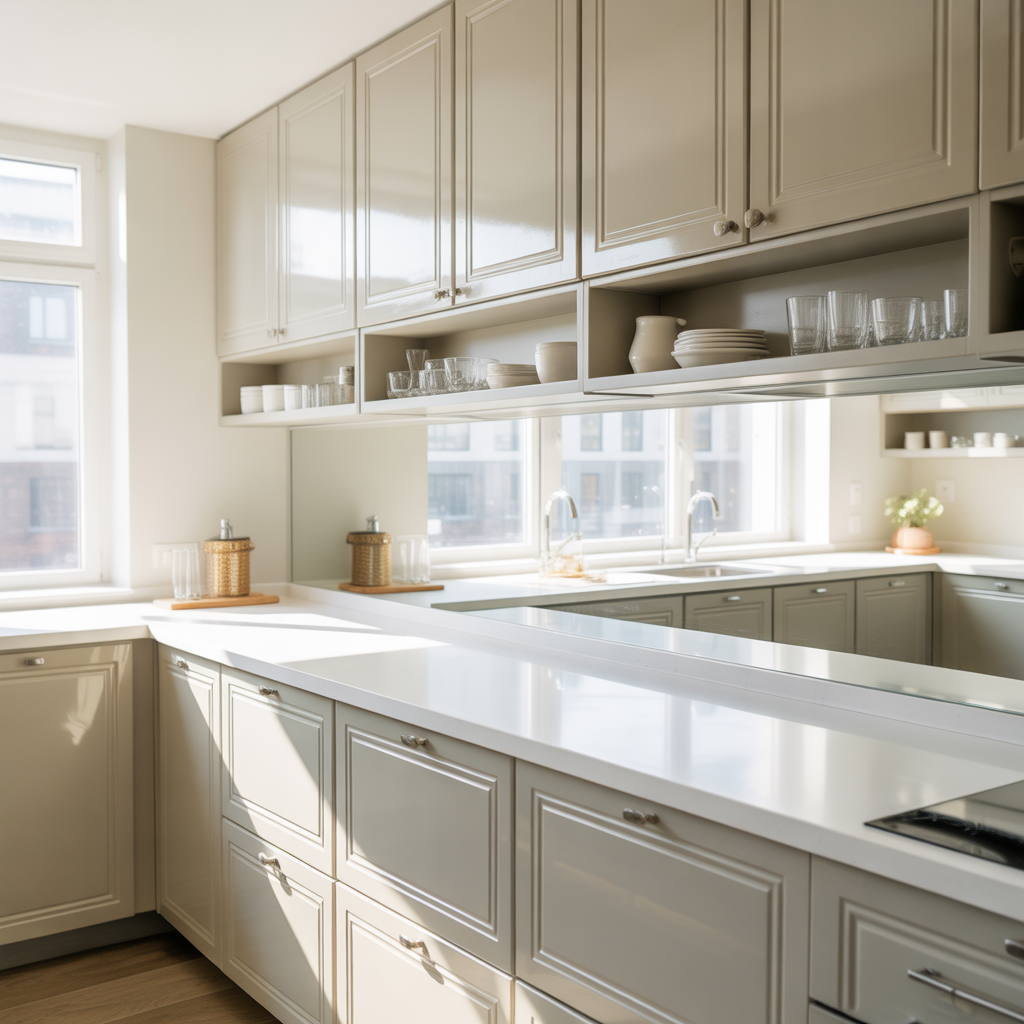
In small kitchens, light-reflecting colors and monochromatic schemes make the space feel airy and open. White cabinets, cream cabinets, and light neutrals reflect light and visually enlarge the room. Glossy or semi-gloss finishes can bounce light across walls, while subtle accent colors like soft blues or pale greens add personality without reducing space. For compact kitchens with limited sunlight, consider pairing neutral upper cabinets with slightly darker lower cabinets to create depth and balance.
Budget-Friendly vs. Luxury Cabinet Colors
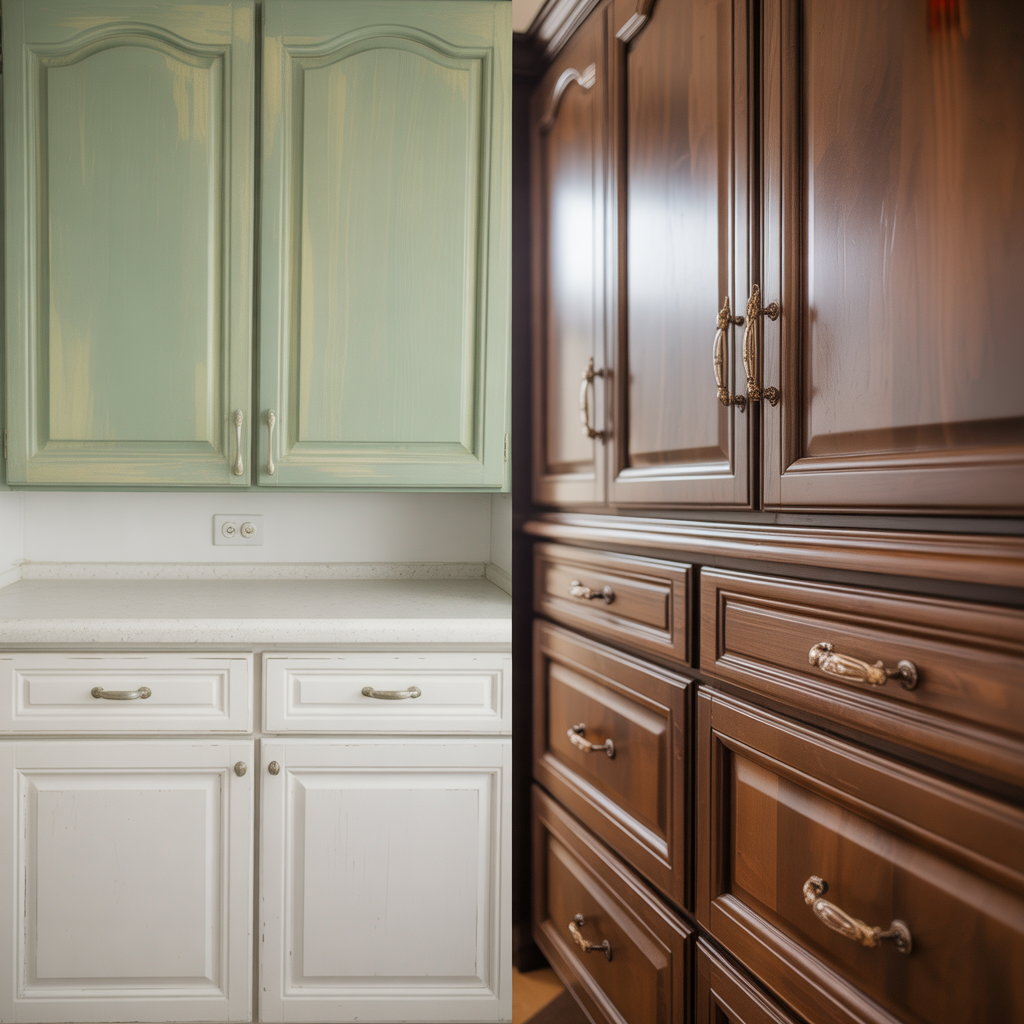
Updating cabinet colors doesn’t have to be expensive. DIY cabinet painting with affordable premium cabinet paint can cost $200-$600 for a small kitchen, while professional cabinet refinishing ranges from $1,500 to $4,000 depending on kitchen size. Cabinet replacement can go from $10,000 to $20,000 or more, especially for custom or high-end options. Choosing budget-friendly cabinets with careful color testing before painting cabinets can give a luxurious look without overspending. Splurge-worthy colors like custom Benjamin Moore Advance paints offer longevity and a smooth finish that DIY paints may not achieve.
Easy-to-Maintain Cabinet Colors for Busy Kitchens
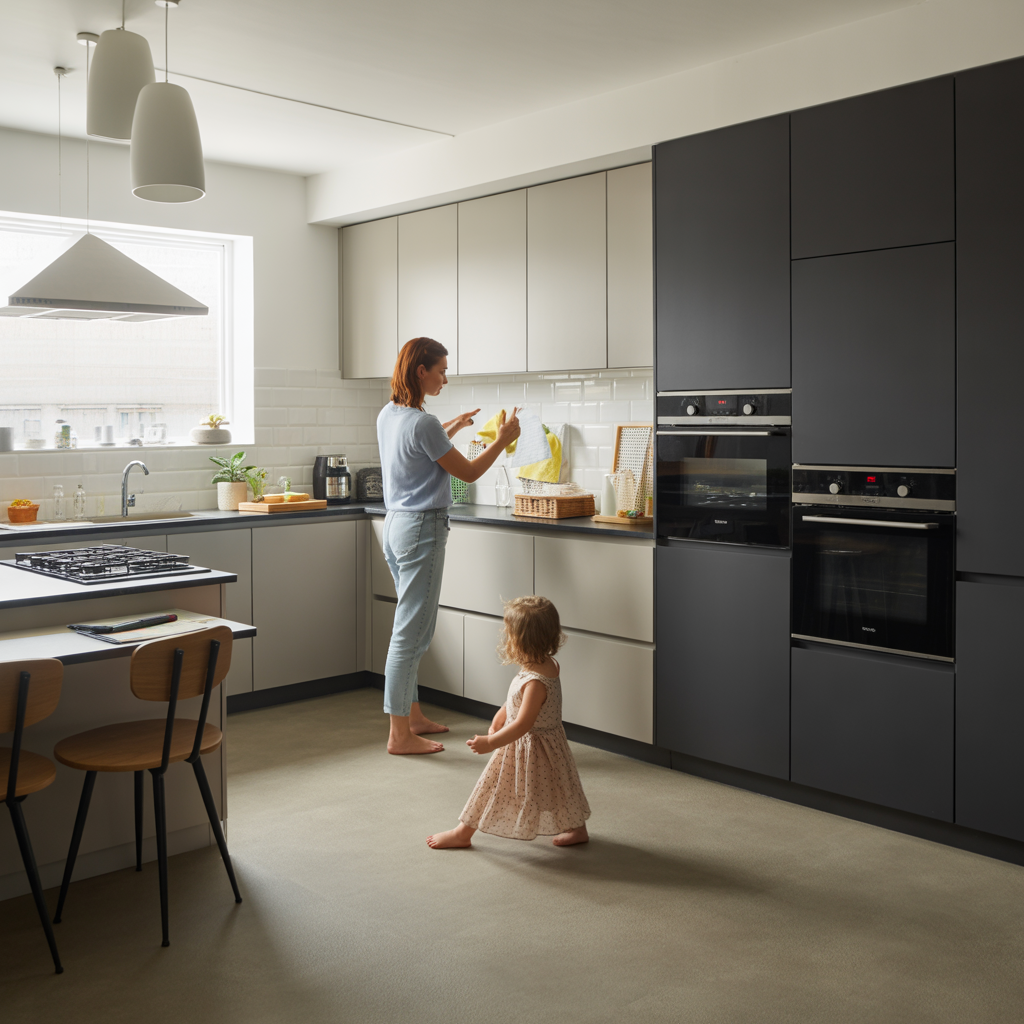
For busy households, finishes matter as much as color. Matte finish cabinets hide fingerprints, semi-gloss finish cabinets resist stains, and satin finish cabinets balance elegance with durability. Kid-friendly cabinets and pet-friendly cabinets benefit from easy-to-clean surfaces and sealed cabinets that prolong the life of your cabinet paint. Even bold colors like matte black or navy cabinets can remain practical if paired with a durable cabinet finish.
Final Thoughts: Choose Cabinet Colors That Fit Your Home & Lifestyle
Choosing kitchen cabinet colors is about more than following trends. It combines personalized kitchen style, functionality, and resale value. Testing colors, considering your lifestyle, balancing timeless and bold colors, and coordinating with countertops, backsplash, and flooring ensures a kitchen that is both stylish and practical. Whether you prefer light neutrals for a bright, airy kitchen or statement cabinets for visual drama, the right color can transform your kitchen into a space that is welcoming, Instagram-ready, and uniquely yours.
FAQs
Q1. Which kitchen cabinet colors make a small kitchen look bigger?
A: Light shades like white cabinets, cream cabinets, and soft gray reflect light and create an open, airy feel.
Q2. Are dark kitchen cabinets a bad idea?
A: No, dark cabinets like navy, matte black, or forest green can look sleek if paired with bright counters or backsplash to avoid a closed-in feel.
Q3. How can I choose a cabinet color that matches my style?
A: Consider your kitchen style (modern, farmhouse, coastal, or rustic) and choose cabinet shades that complement your countertops, flooring, and lighting.
Q4. Should I test paint samples before painting cabinets?
A: Yes, always swatch test colors on a cabinet door or foam board under natural and artificial light to see the true shade.
Q5. What’s the best finish for busy kitchens?
A: Satin, semi-gloss, or matte finish cabinets are ideal as they resist fingerprints, smudges, and are easy to clean.

 By
By