
A beautiful garden is more than just flowers and greenery. While flowerbeds and lawn care are essential, the magic of a polished garden often comes from garden edging ideas. Proper landscape edging helps define garden spaces, prevent grass invasion, and create a garden structure that blends beauty and function. Whether you have a small patio, a backyard oasis, or a spacious lawn, the right yard edging ideas can transform your garden instantly. In this article, we explore a variety of garden borders, from classic stone borders to living plant borders, and provide practical tips for every style and space.
Why Garden Edging Matters for Your Landscape
Garden edging is not just decorative; it is functional. A well-installed edge helps contain mulch and gravel, stopping them from spilling into the lawn or flowerbeds. It keeps pathways tidy and ensures that small garden landscaping projects look organized. Decorative garden edges create a visual boundary that enhances curb appeal and elevates any garden design. According to garden experts, a properly defined garden with low-maintenance garden edges can reduce upkeep by nearly 30%, as it prevents grass and weeds from invading beds and keeps soil and mulch in place. From a Pinterest perspective, clean lines and distinct garden borders photograph beautifully, making your yard look like a professionally designed landscape. In essence, landscape edging transforms a simple garden into a structured, cohesive space that feels intentional and welcoming.
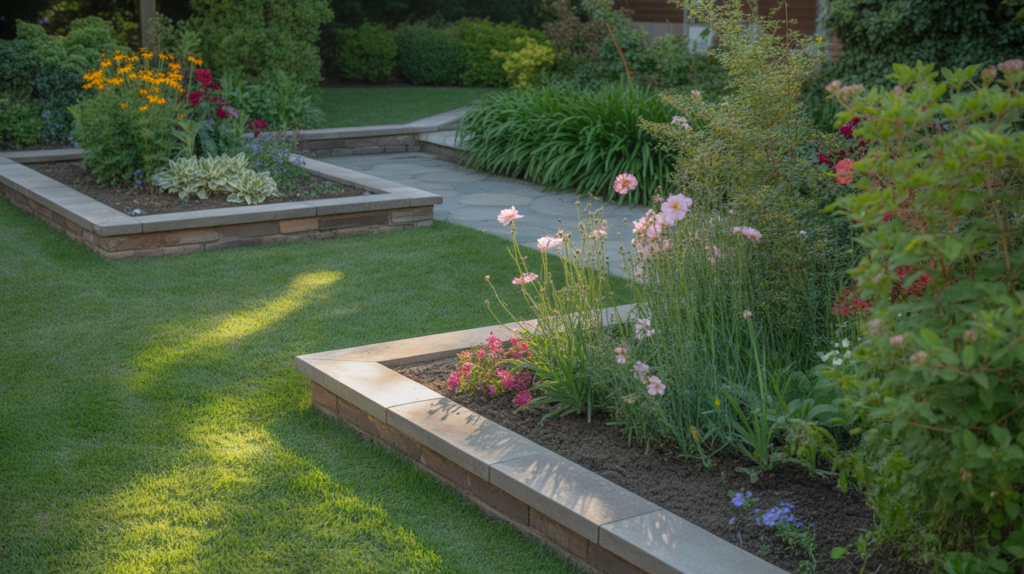
Stone Garden Edging Ideas
Stone borders are timeless and versatile. Natural Stone, flagstones, and decorative rocks can create yard edging ideas that are both practical and visually stunning. Stone works in almost any garden style, from cottage-style garden design to modern minimalism. Its natural tones blend with flowerbeds, lawn, and garden pathways, giving your yard a grounded and harmonious look. One case study from a small backyard in Ohio showed that installing stone garden edging around vegetable beds reduced weed growth and soil erosion while making the space more aesthetically pleasing. When selecting stone borders, consider the size, color, and shape. Flat stones work well for pathway borders, while rounded rocks create a casual, organic feel. Laying stones on landscape fabric prevents sinking and keeps the edges intact over time. Stone edging is also durable, lasting decades with minimal seasonal care.
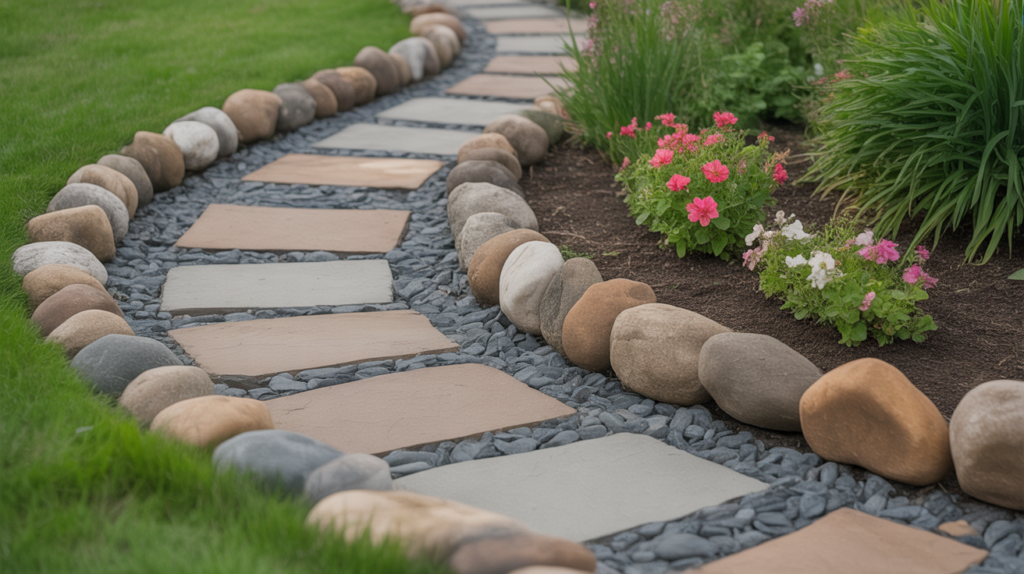
| Stone Type | Best Use | Maintenance | Cost |
| Flagstone | Pathways & patios | Low | Medium |
| River Rock | Natural garden edges | Very low | Low |
| Granite | Formal flowerbeds | Low | High |
Brick and Paver Edging Options
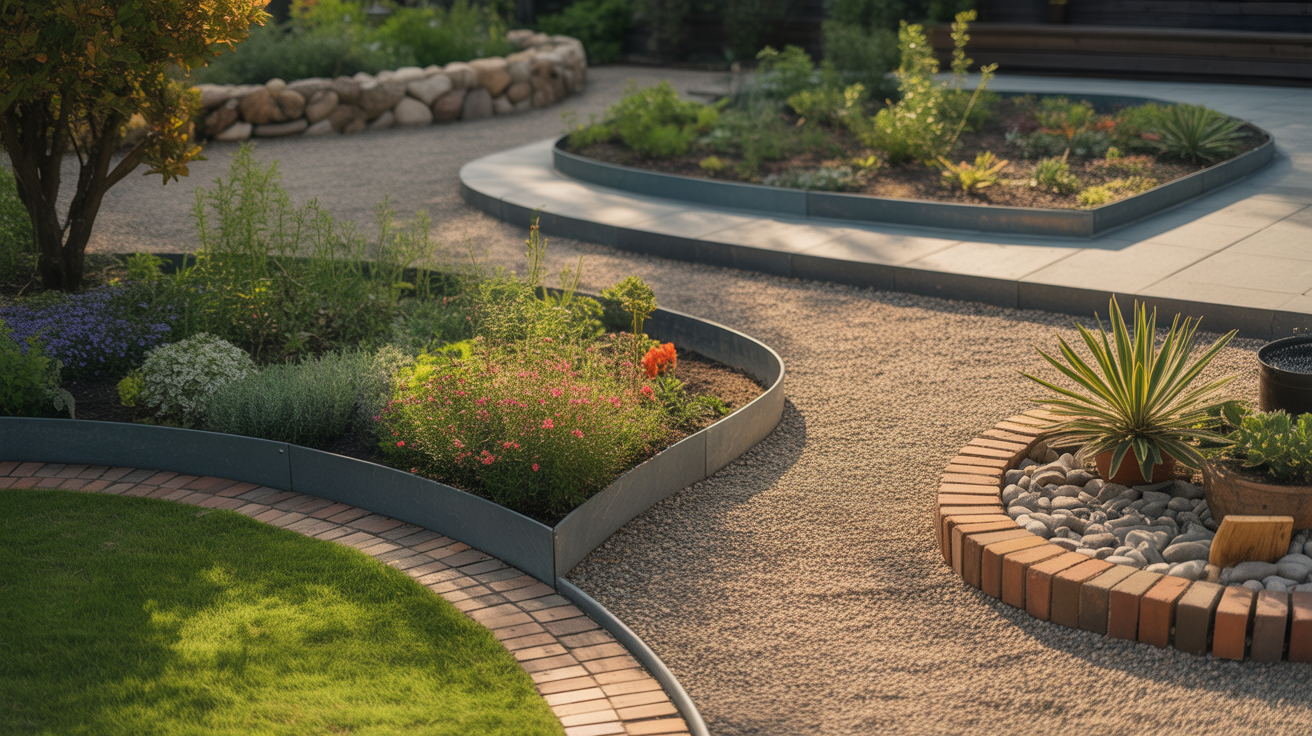
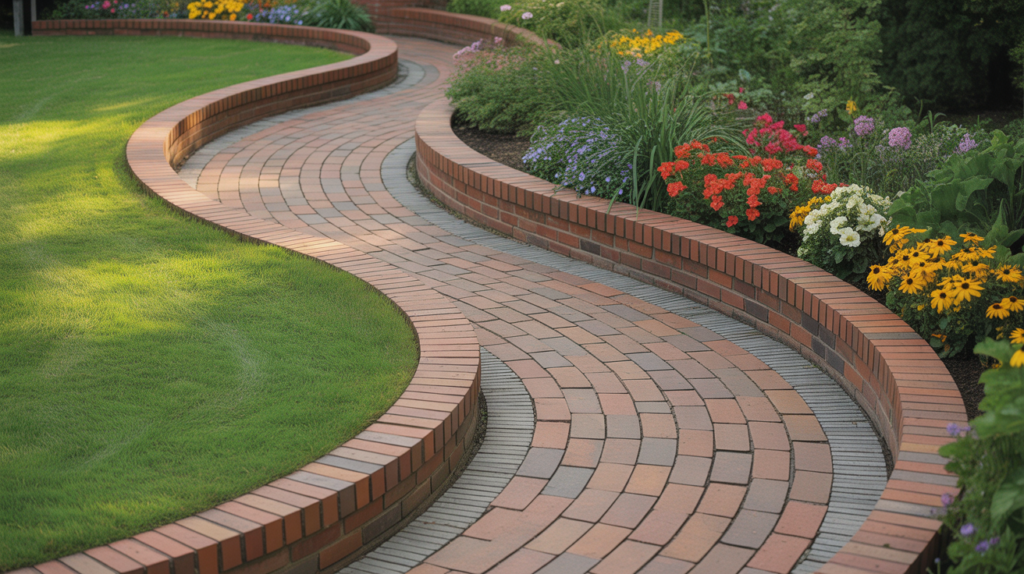
Brick pathways and pavers add a classic charm to any garden. Brick edging instantly defines garden spaces and works well with mulch or gravel-filled beds. Concrete pavers can complement yard edging ideas in both straight lines and curves, making them perfect for small garden landscaping or larger backyards. Bricks are not only durable but can be recycled garden materials, adding a sustainable element to your DIY garden projects. Experts recommend dry-laying bricks first to experiment with patterns before permanent installation. For a modern twist, bricks can be paired with gravel edging or living plant borders, creating a visually dynamic garden that is both functional and stylish.
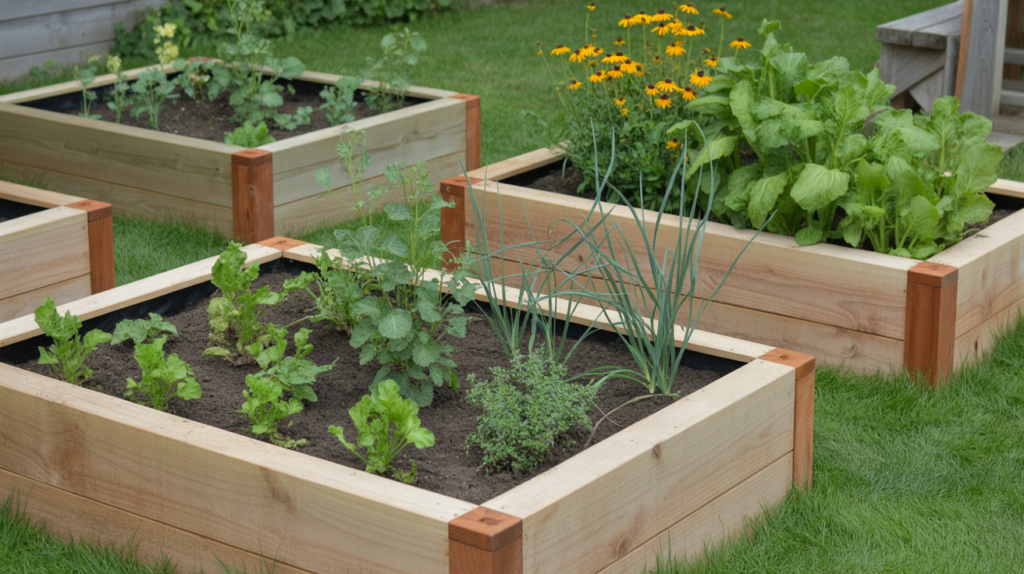
Wood and Timber Edging Ideas
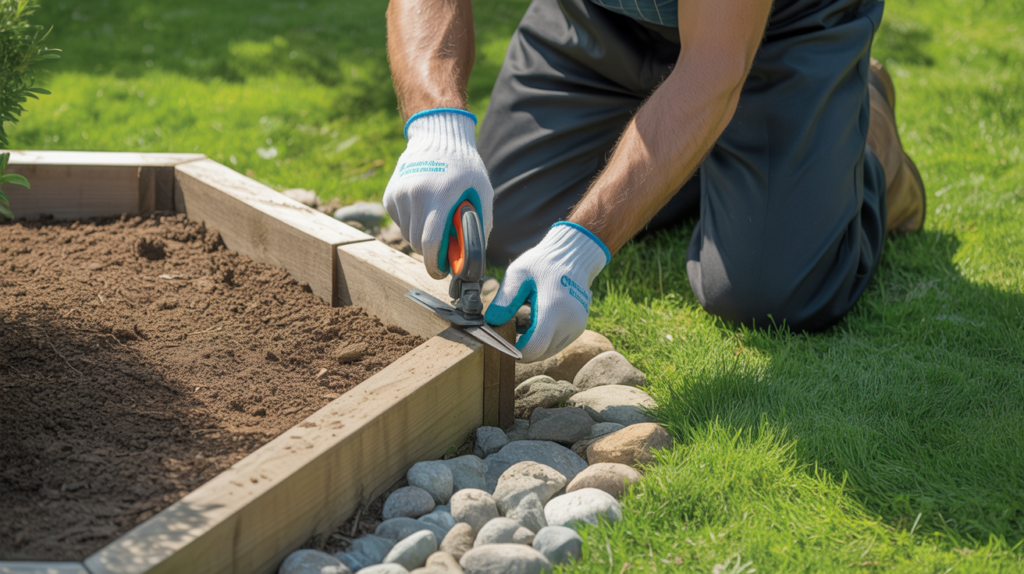
Wooden garden edging adds warmth and a natural feel to flowerbed edging. Cedar, Redwood, and treated Timber are ideal choices for longevity. Unlike untreated wood, these types resist rot and weather damage, making them a durable choice for low-maintenance garden edges. Wood edging works beautifully in cottage-style garden design, blending seamlessly with herbs, vegetable beds, and ornamental groundcovers. Installation is straightforward, but sealing the wood enhances its lifespan. Small-space gardens can benefit from short timber borders around container gardens or patios, giving the illusion of larger garden borders without taking up too much space. Seasonal inspection for moisture or rot ensures that wooden edges stay beautiful for years.
Metal and Steel Edging Solutions
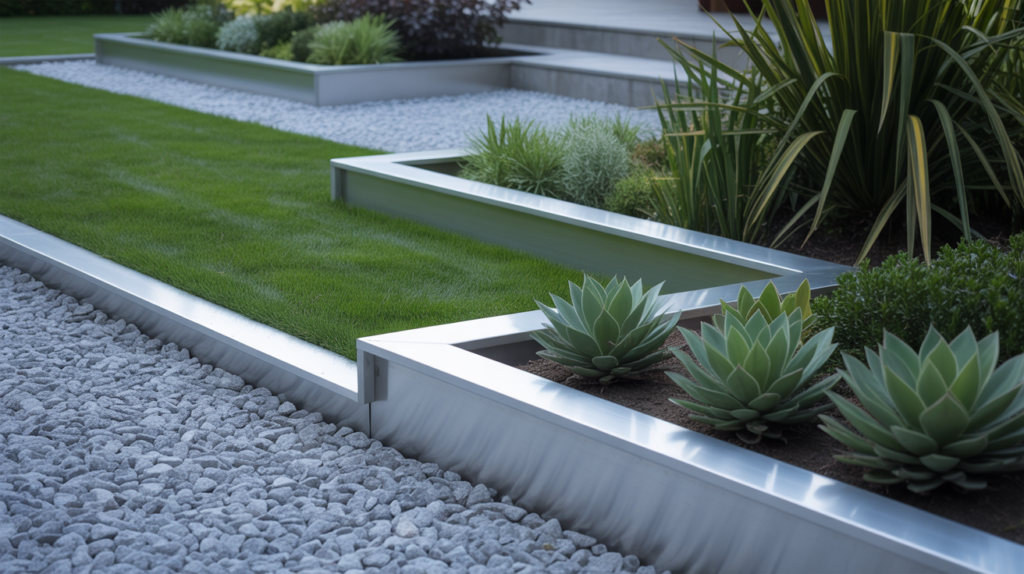
Metal garden borders are perfect for modern minimalistic designs. Aluminum, Corten steel, and galvanized steel offer clean, crisp lines that define yard edging ideas with precision. Metal is lightweight, flexible for curves, and exceptionally durable, standing up to harsh weather while maintaining sharp lines. Installing metal edging along gravel or mulch pathways helps contain materials and reduce maintenance. Professionals suggest trimming nearby shrubs and applying protective coatings to prevent rust. For small patios or narrow garden pathways, slim metal strips create a polished look without overwhelming the space. Metal edges are particularly effective in contemporary landscapes, providing a sleek contrast to flowerbeds and living plant borders.
Creative and Recycled Material Edging
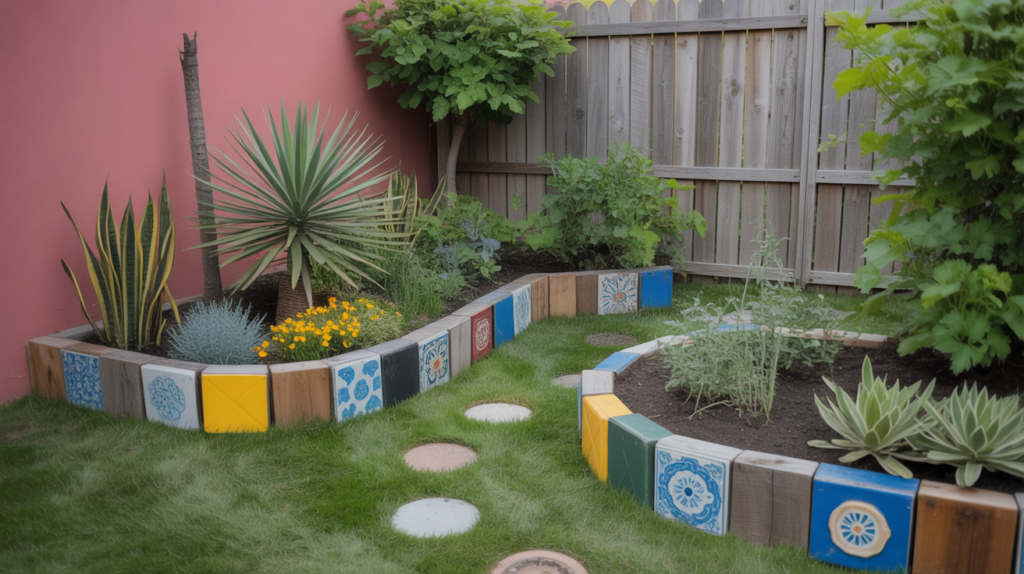
For eco-conscious gardeners, recycled garden materials are a fun and eco-friendly garden edging option. Old wine bottles, mismatched tiles, seashells, or reclaimed wood can become striking decorative garden edges. These materials not only reduce waste but also add personality to small garden landscaping projects or balcony gardens. Case studies show that homeowners who used creative recycled materials for flowerbed edging noticed a unique charm that standard materials could not provide. Creative yard edging ideas also make for excellent Pinterest content, inspiring other DIY gardeners to experiment with playful and sustainable designs.
Living Plant Borders
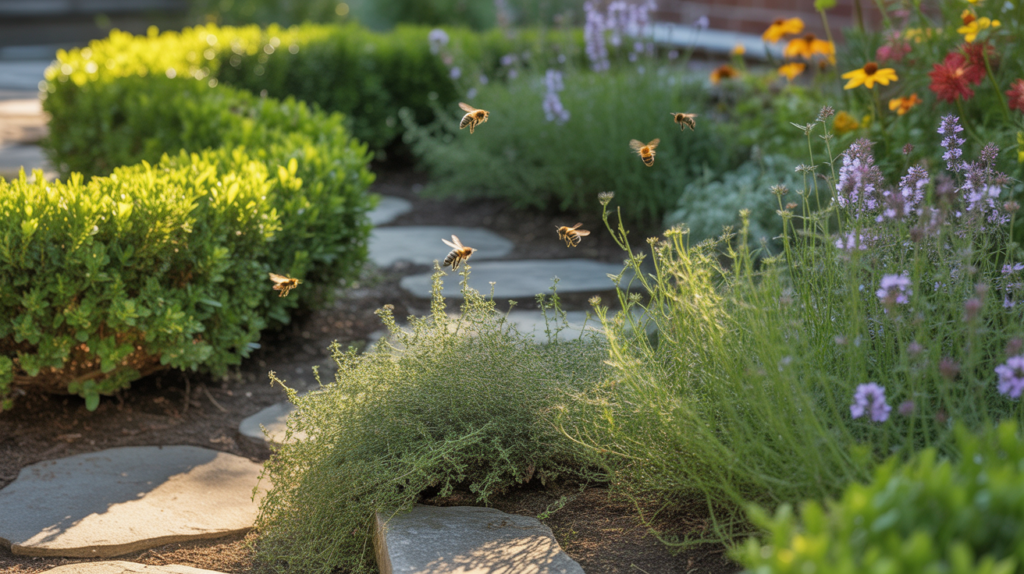
Living plant borders for biodiversity are a natural, soft approach to garden edging ideas. Low hedges, ornamental grasses, creeping herbs, or flowering plants act as gentle flowerbed edging, blending seamlessly with the lawn and creating a lush, green boundary. Living edges support pollinators and small wildlife, making your garden more vibrant and ecologically friendly. For small spaces or balconies, compact flowerbed edging with thyme, creeping oregano, or dwarf shrubs is ideal. Native, low-maintenance plants thrive in local conditions, reducing water use and long-term garden maintenance. Living borders can also be mixed with gravel edging or wooden garden edging for a layered, textured look.
Gravel, Pebble, and Mulch Edging
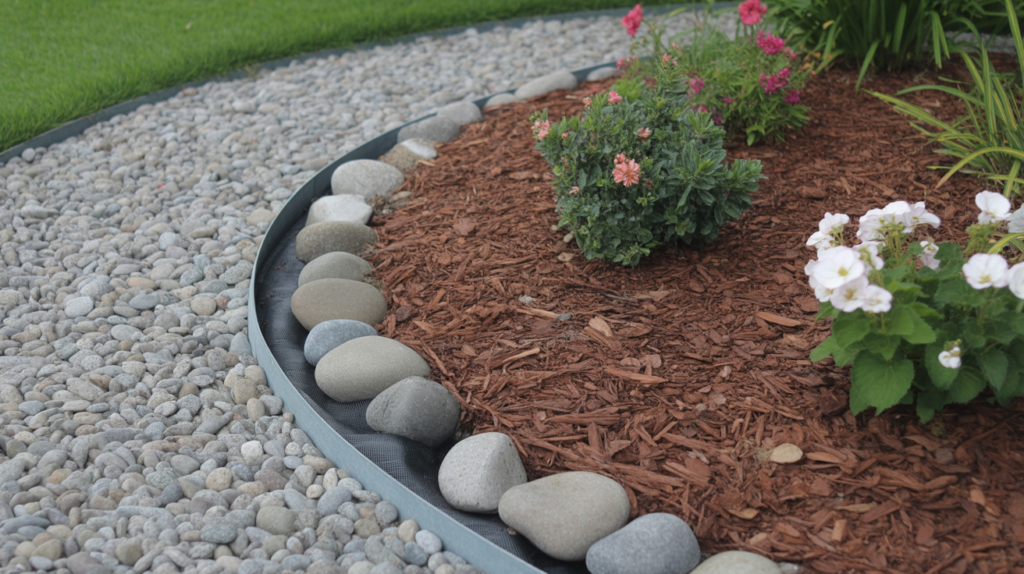
Gravel edging and pebble borders are functional, low-maintenance garden edges that offer excellent drainage. They are lightweight, affordable, and easy to install. Gravel can be contained using edging strips and landscape fabric to prevent spreading into the lawn or adjacent flowerbeds. Mulch edging adds a natural touch and enriches soil while preventing weeds. For small spaces, narrow strips of white gravel or colorful pebbles create yard edging ideas that pop visually, perfect for Pinterest photos. Whether lining a garden pathway or defining a raised bed, gravel, pebble, and mulch edging combine practicality with aesthetics.
Seasonal Care and Maintenance Tips
Maintaining garden borders is essential to keep your yard looking polished year-round. Seasonal inspections help prevent problems like shifting stones, rusting metal, or rotting wood. Spring is ideal for cleaning and repairing edges, summer for trimming plants, fall for resealing timber, and winter for rust protection on metal garden borders. Using a quick seasonal care checklist ensures that landscape edging remains functional and attractive. Proper care improves longevity and keeps small garden landscaping simple and manageable. Regular maintenance also prevents soil erosion, maintains proper drainage, and enhances overall garden health.
FAQs About Garden Edging
Q1. Which garden edging lasts the longest?
A: Stone and metal edges are the most durable, withstanding decades of weather while maintaining crisp lines.
Q2. How deep should I install edging?
A: Most flowerbed edging should be at least 6–8 inches deep to contain soil and mulch effectively.
Q3. Can I edge a small garden or patio?
A: Yes. Use narrow stone borders, slim metal strips, or living plant borders to define compact areas without cluttering space.
Q4. Is garden edging worth the investment?
A: Absolutely. It reduces maintenance, prevents grass invasion, improves curb appeal, and keeps pathway borders neat.
Q5. How do I maintain my edging year-round?
A: Inspect edges each season, reseal wood, trim plants, repair stones, and protect metal borders from rust.
Conclusion
Garden edging ideas are an essential part of any garden design, blending style and function in ways that enhance flowerbeds, lawns, and pathways. Whether you choose stone borders, brick pathways, wooden garden edging, metal garden borders, or living plant borders for biodiversity, the right edge creates a polished, intentional look. Starting small, like edging one flowerbed or a patio, allows you to see the transformation firsthand. With seasonal garden maintenance tips and careful planning, your yard can become a Pinterest-worthy outdoor space that combines beauty, function, and lasting appeal.


 By
By