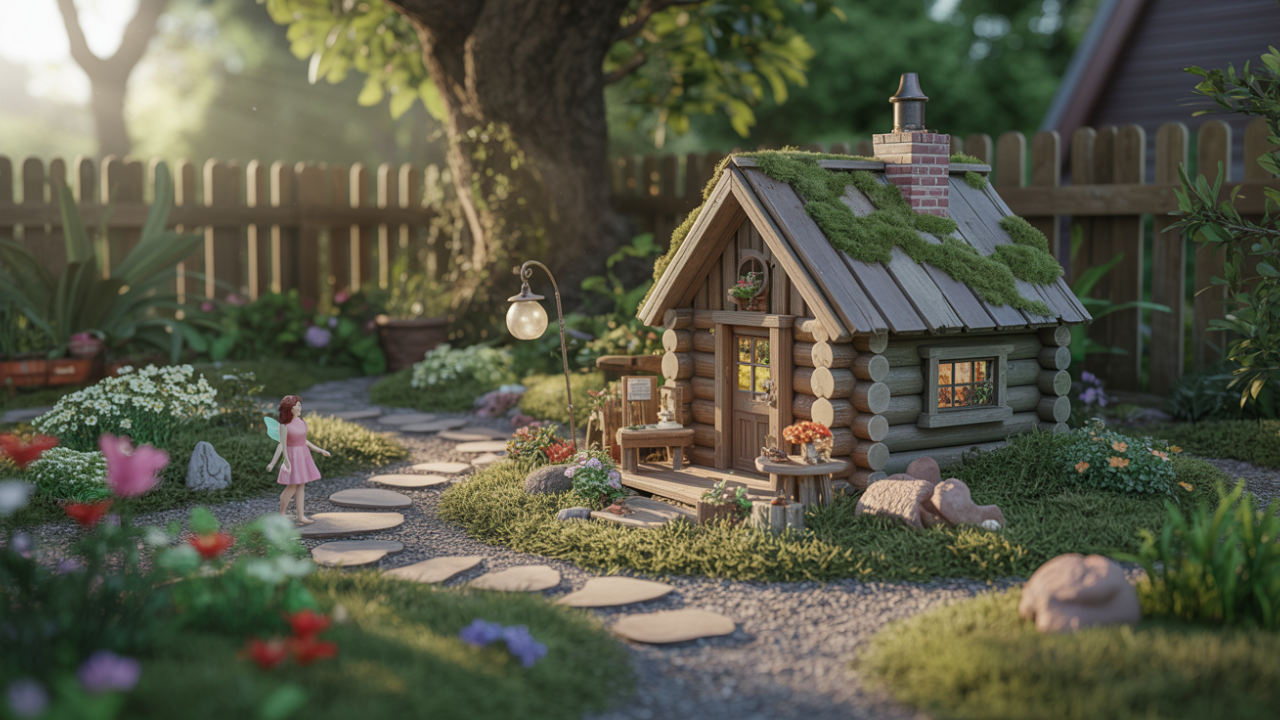

Creating a fairy garden is more than just placing tiny figurines in your backyard. It is about creating a miniature garden that tells a story, sparks imagination, and brings charm to any outdoor or indoor space. Fairy garden ideas have grown in popularity across the USA, especially on Pinterest, as people look for ways to make their yards, balconies, and porches enchanting. These small garden ideas can fit anywhere, from a balcony to a full backyard, and they allow anyone to explore their creativity while adding a touch of magic to everyday life. In this guide, we explore ten enchanting types of fairy gardens, from woodland retreats to large-scale landscapes, so you can choose the perfect design for your space.
1. Classic Woodland Fairy Garden
The woodland fairy garden is a timeless choice for anyone who loves nature and wants to create an enchanted garden. This type of mini garden leans on natural elements like moss, ferns, twigs, and stones, creating a forest scene that feels both secretive and magical. A hidden glade tucked into a corner of your yard or backyard makes the garden feel like a storybook come to life.
When designing a classic woodland fairy garden, consider planting shade-loving plants such as ferns or moss, which thrive in low light areas. Adding tiny doors, miniature houses, and pebble pathways completes the charm. Some gardeners like to place miniature bridges over moss lawns or a mini pond to mimic a woodland stream. Visitors often find themselves stopping to admire the magical details, making it a perfect conversation starter. The combination of natural materials and playful accessories brings a cozy, whimsical, and dreamlike atmosphere to your space.
A table of common materials for a woodland fairy garden might look like this:
| Material / Component | Purpose |
| Moss | Creates a soft ground cover and secretive feel |
| Ferns | Adds texture and natural greenery |
| Stones / Pebbles | For pathways and miniature bridges |
| Twigs / Branches | Mimic tiny trees and structures |
| Miniature houses | Adds storybook charm |
| Tiny doors | Gives the illusion of fairy homes |
2. Container and Pot Fairy Gardens
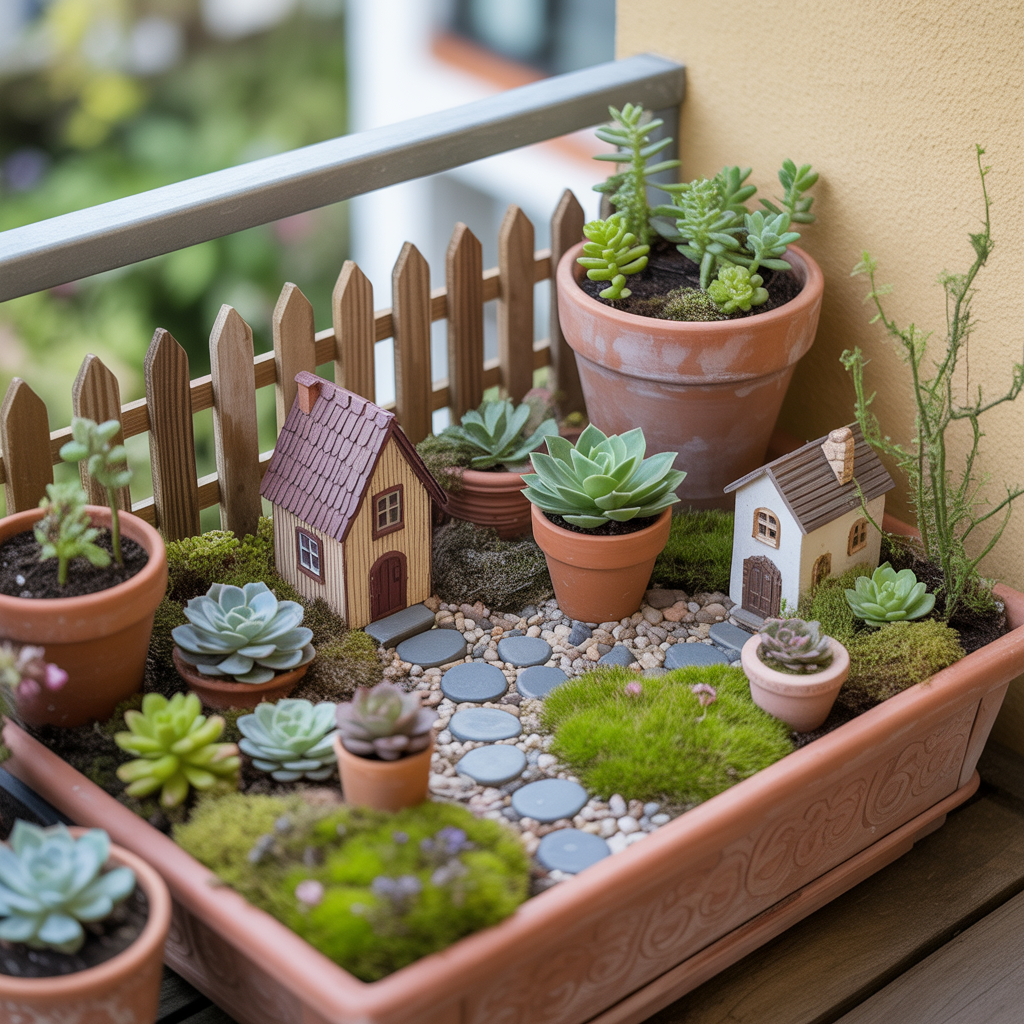
Not everyone has a large yard, which is where a container fairy garden shines. Using pots, jars, or small containers, you can create a mini world on a balcony, porch, or indoor table. These mini gardens are flexible and can be moved around, making them perfect for small spaces or seasonal decorating.
Start with the right soil, ensuring good drainage for your succulents, moss, or herbs. You can arrange miniature houses, tiny fences, and pebble pathways to create a living world that feels magical. Adding small benches or bridges gives depth and invites imagination. Seasonal changes can be applied easily by swapping in new plants or miniature accessories, keeping the garden fresh and engaging. The container approach makes it possible for even those with limited outdoor space to enjoy a cozy and playful fairy environment.
3. Water-Themed Fairy Gardens
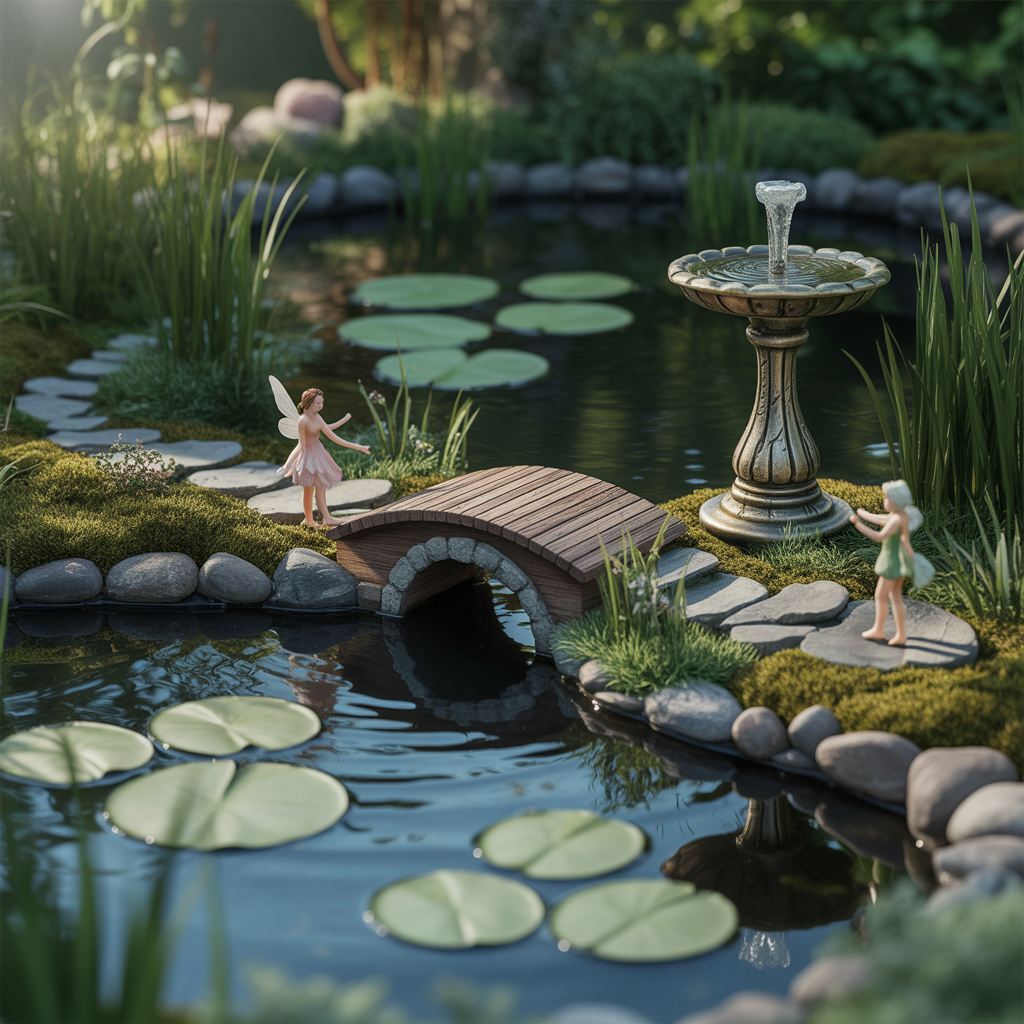
A water-themed fairy garden introduces movement and sound, adding a special layer of enchantment. Whether it is a mini pond, a tabletop fountain, or a small tub filled with floating plants, water creates a dreamlike atmosphere that captivates the senses. Adding lily pads, miniature docks, or tiny bridges completes the scene.
Water-safe plants and decorations are essential to keep the garden thriving. Miniature houses can be placed near the water’s edge to create a storybook effect, while small lanterns add nighttime charm. A water garden becomes more than decoration; it transforms your space into an immersive, magical mini world where imagination thrives.
4. Fairy Gardens in Tree Stumps, Logs, and Planters
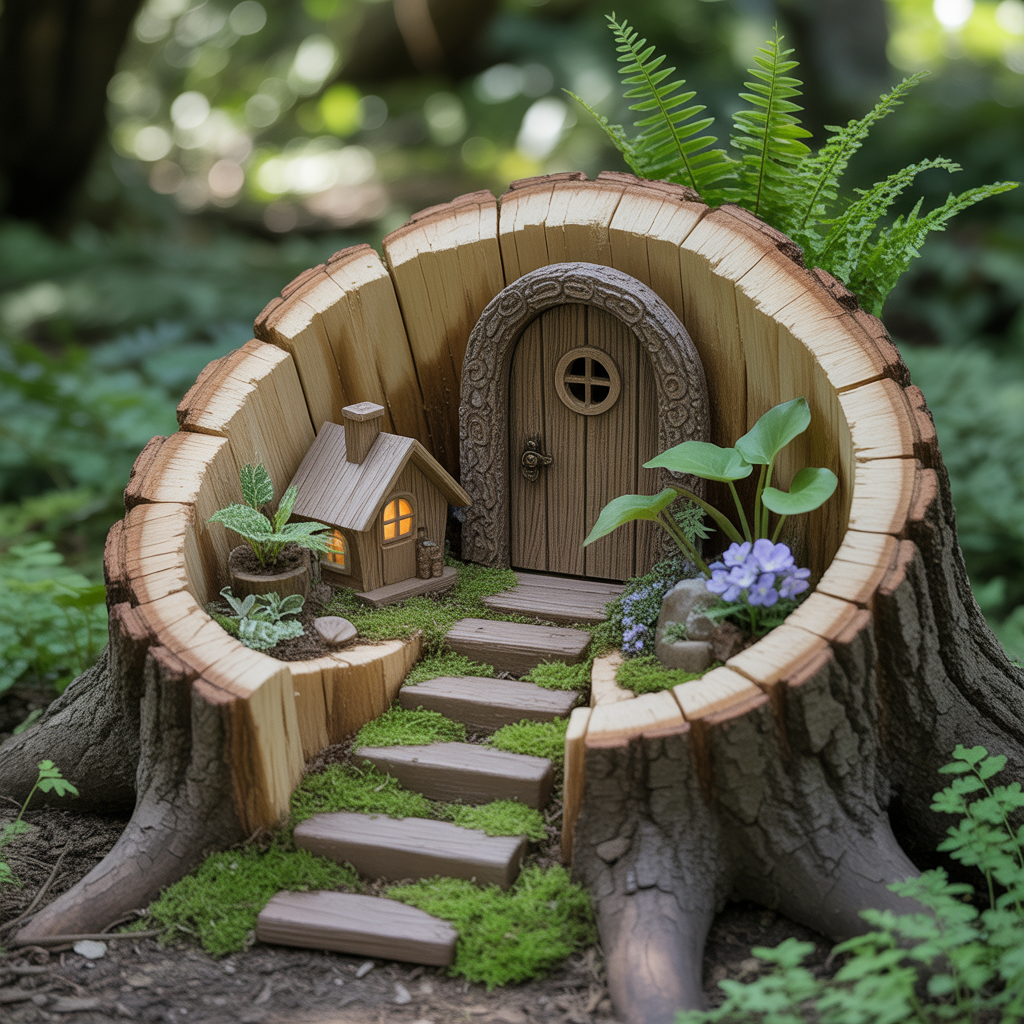
Old tree stumps, logs, or hollow planters can be transformed into stunning tree stump fairy gardens or log fairy gardens. Carving tiny doors, adding mossy steps, and decorating with miniature windows creates a charming focal point in any backyard.
Using shade-loving plants like ferns and moss ensures that your garden thrives naturally. Hollow logs or tree stumps allow water to drain effectively, preventing plant decay. Adding miniature benches, bridges, and fairy houses gives these gardens a whimsical, storybook quality. Many gardeners have found that upcycled items, like old teapots or broken pots, integrate seamlessly with this design, creating a magical details-rich mini world.
5. Miniature Village Fairy Gardens
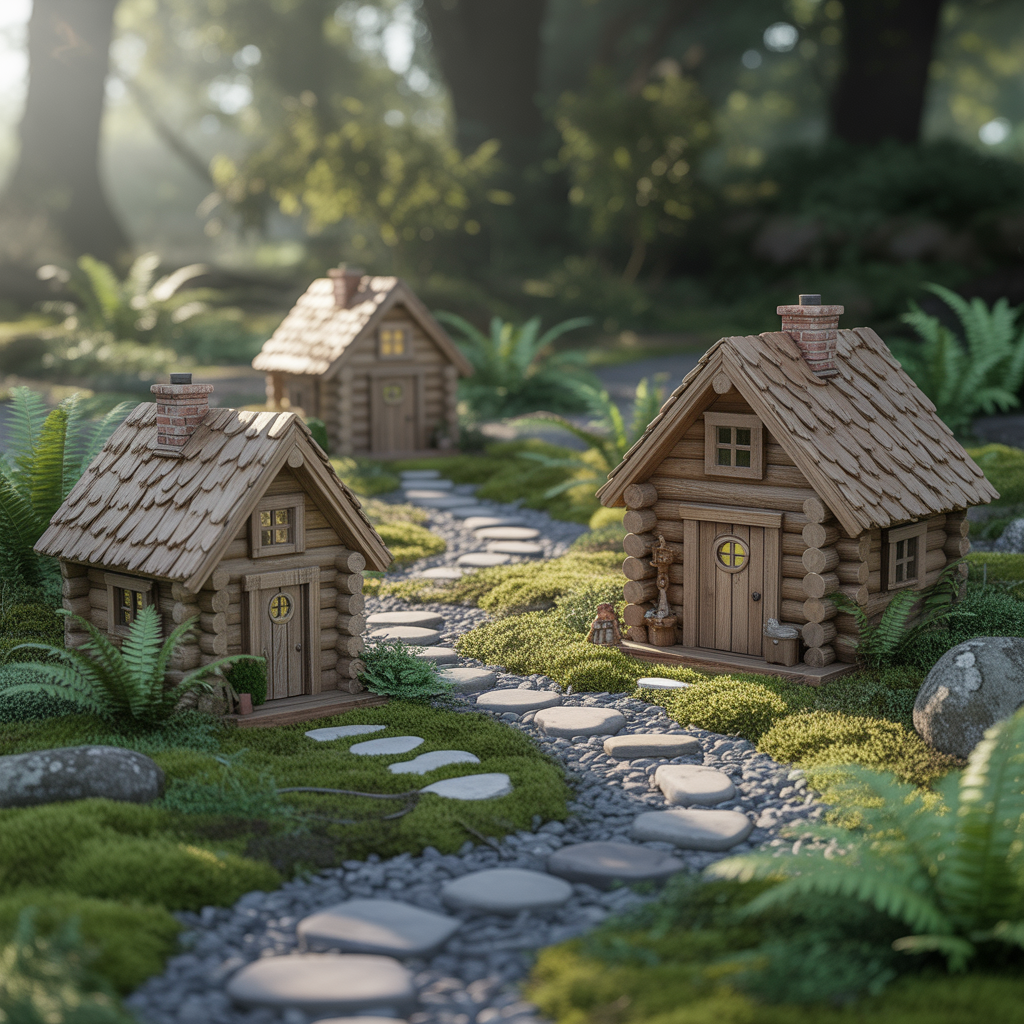
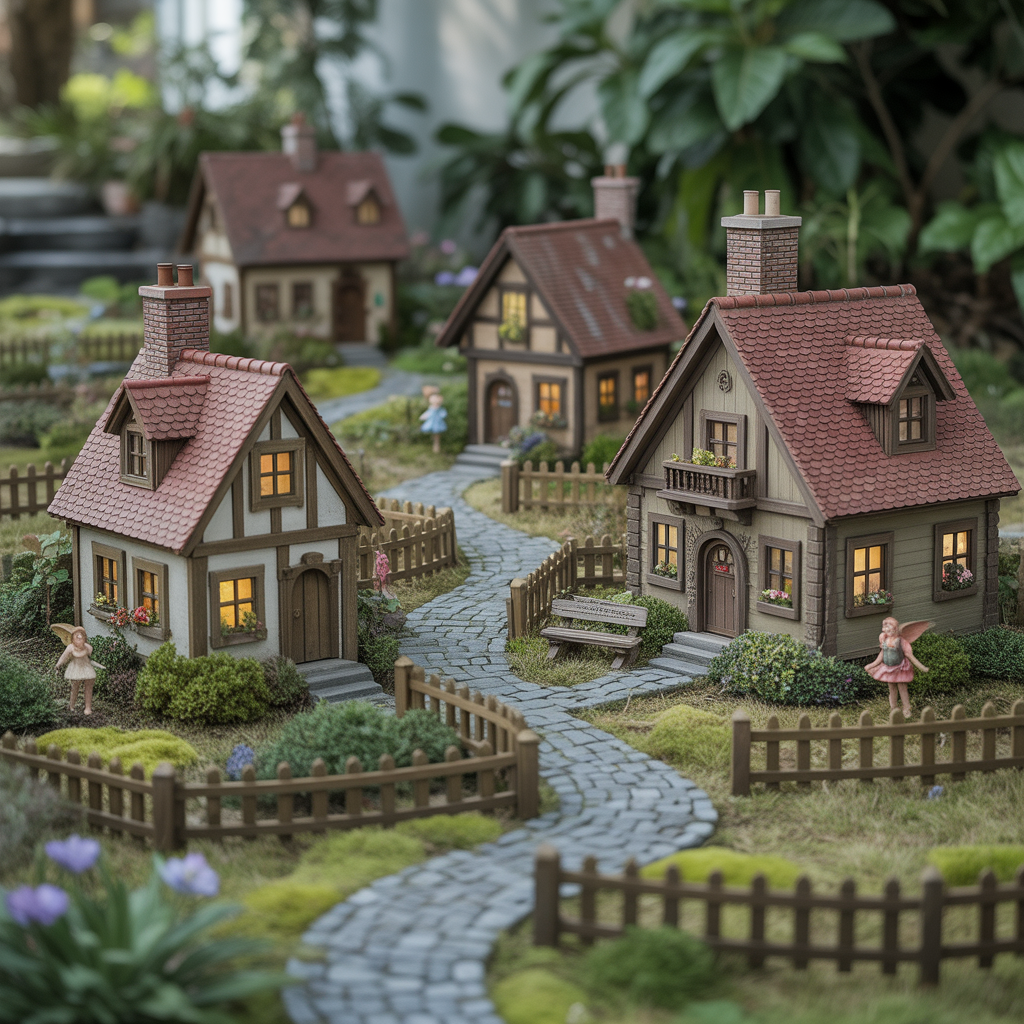
Miniature villages bring the fairy village concept to life, offering the possibility to build a tiny world with winding streets, multiple houses, bridges, and community features like mini fences or benches. Creating a miniature village is perfect for those who enjoy arranging miniatures and adding new elements over time.
Selecting the right scale is essential. Houses, trees, and paths should match in size to create a cohesive living world. Moss lawns and tiny community touches make the village feel alive, and small gravel pathways guide the eye through the garden. Some enthusiasts even include dwarf trees and alpines to mimic a natural ecosystem, making it a perfect playful and immersive experience for kids and adults alike.
6. Seasonal and Holiday Fairy Gardens
A seasonal fairy garden can change with the year, keeping your space fresh and engaging. In spring, pastel blooms and Easter eggs add a lively touch, while summer brings bright flowers and seashell accents. Fall transforms your mini world with mini pumpkins, acorns, and tiny hay bales, and winter can sparkle with fairy lights, pinecones, and faux snow for a magical holiday fairy garden.
Seasonal decorating allows you to explore your creativity continually. Even a small container garden can become a conversation starter when adapted for each season. Adding miniature accessories like lanterns, fences, and bridges keeps your garden flexible and constantly enchanting.
7. Upcycled and Eco-Friendly Fairy Gardens
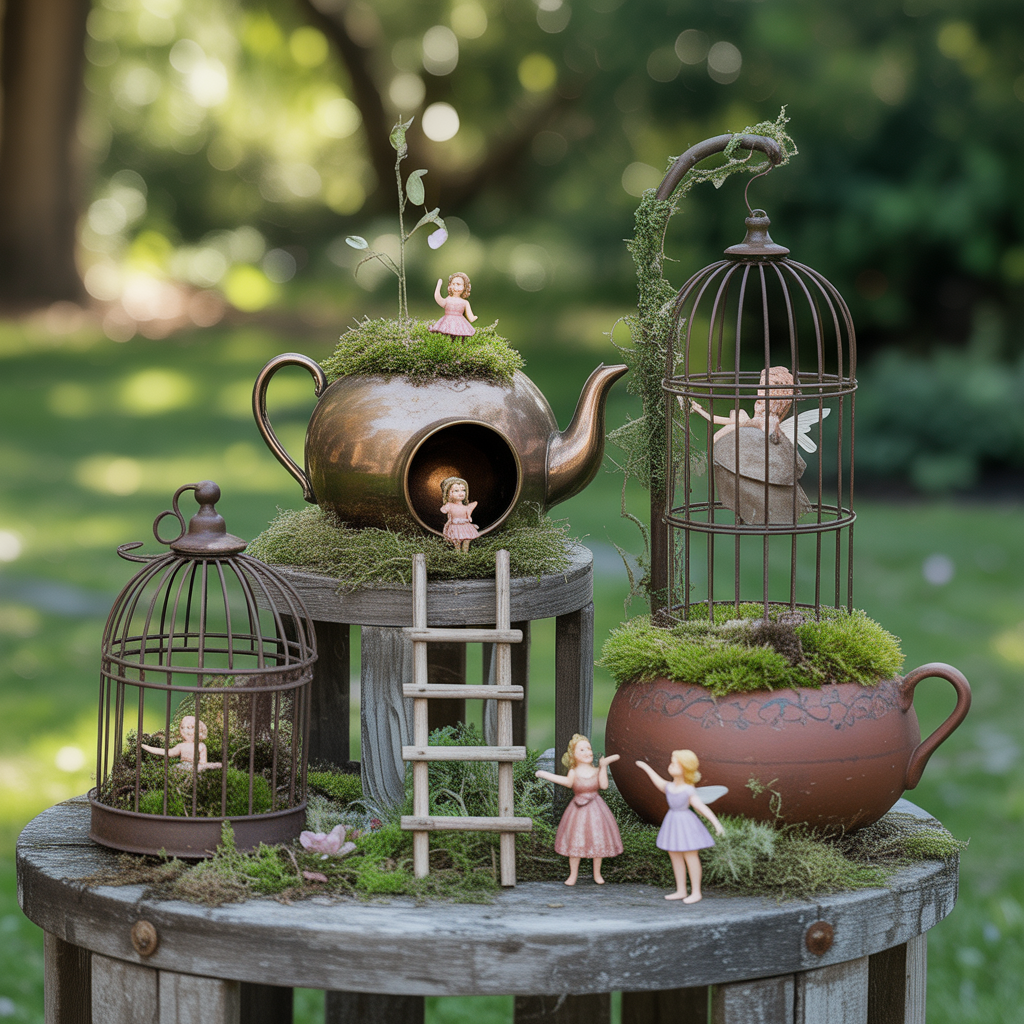
Upcycled fairy gardens show that imagination doesn’t need to be expensive. Items like old teapots, birdcages, and broken pots can be repurposed into quirky miniature houses. These gardens are eco-friendly, giving new life to items that would otherwise go to waste.
Upcycling adds charm and a story to your tiny garden. For example, a cracked watering can can become a fairy home, with moss spilling over the edges and a tiny ladder for the fairies to climb. These gardens are not only imaginative but also environmentally conscious, making them a meaningful addition to your yard or balcony.
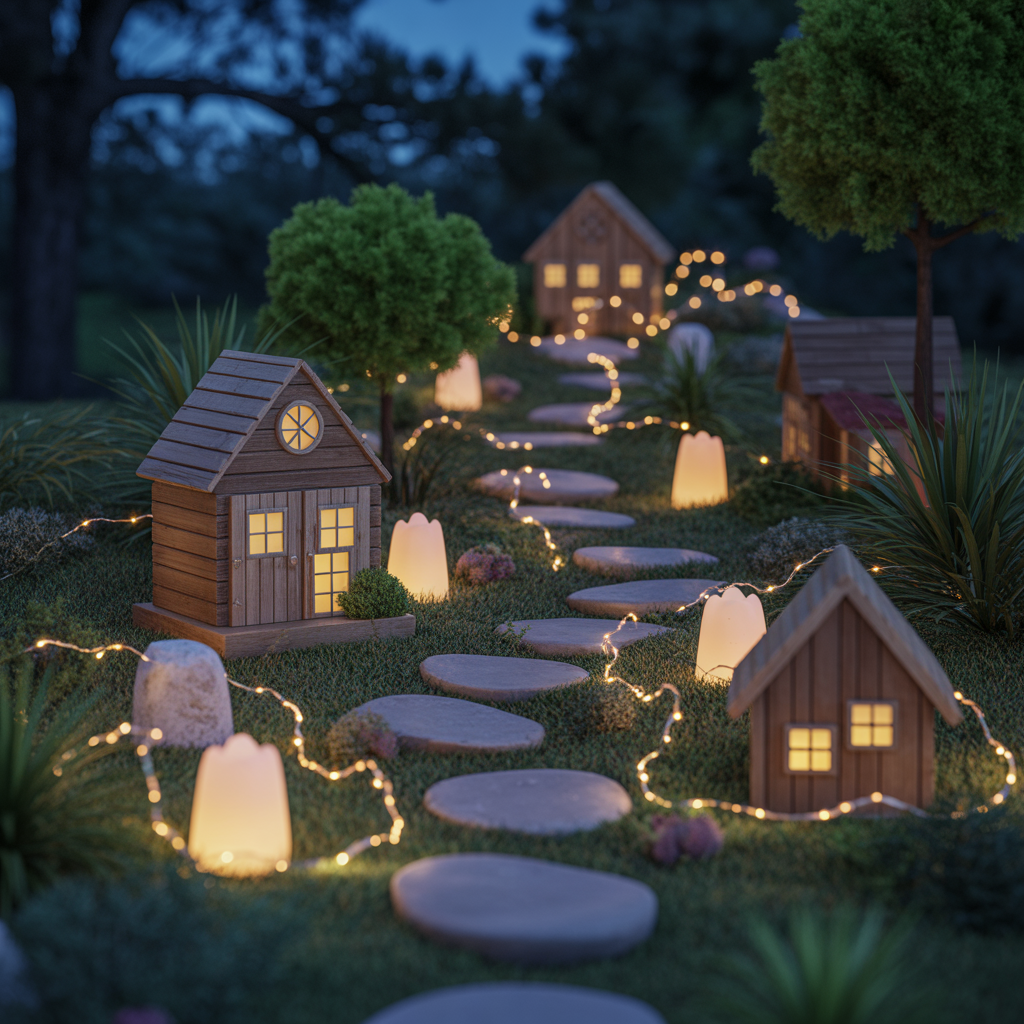
8. Nighttime Fairy Gardens with Lights
Nighttime fairy gardens bring your miniature garden to life after dark. Using fairy lights, glow-in-the-dark stones, or small lanterns, you can create a cozy and dreamlike garden that enchants visitors. Solar-powered lights are ideal for safe illumination, and paths lit with tiny LEDs make the garden immersive and playful.
A nighttime fairy garden extends your garden’s magic into the evening, perfect for quiet reflection or evening gatherings. It becomes a conversation starter and highlights magical details that are often missed during the day.
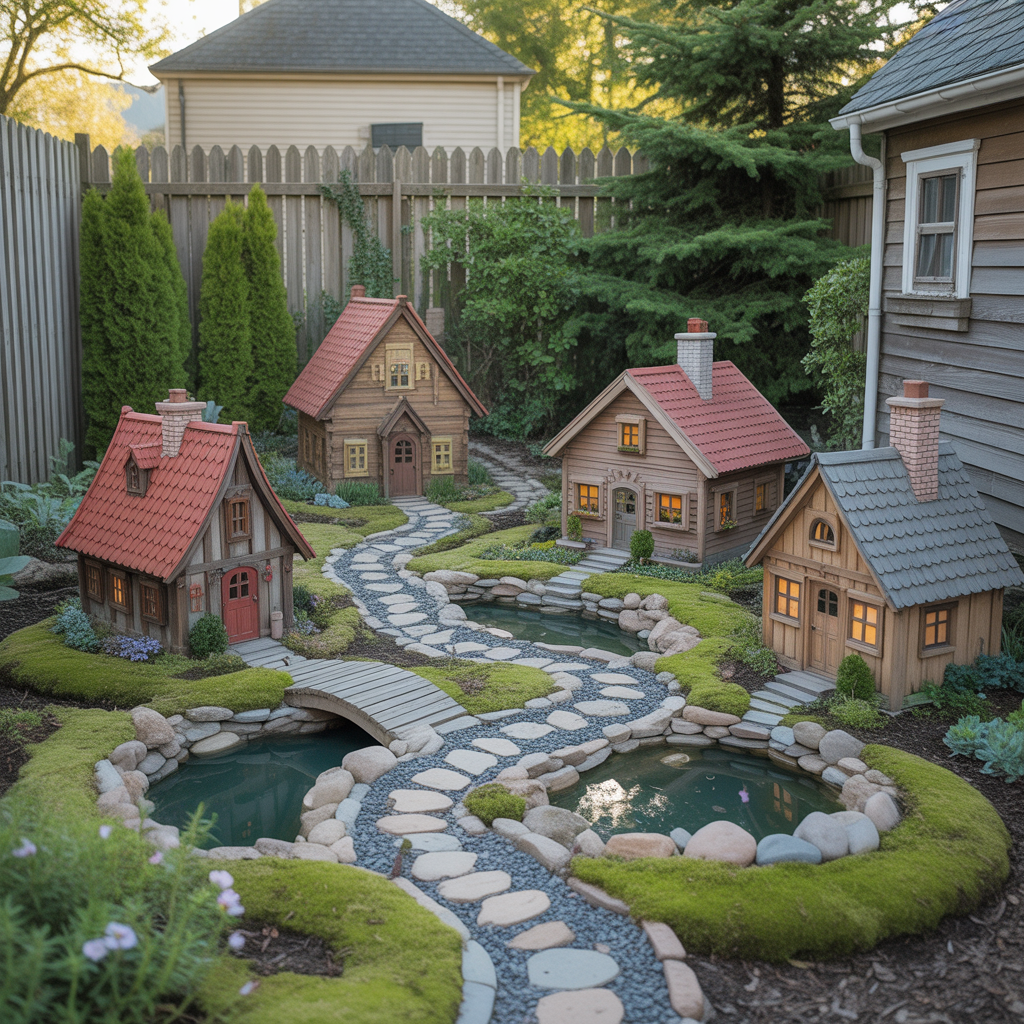
9. Large-Scale Landscape Fairy Gardens
For those with ample space, large-scale landscape fairy gardens turn an entire backyard into a mini world. Winding pathways, small bridges, and clusters of miniature houses create an immersive experience. Incorporating dwarf conifers, ferns, moss lawns, and stepping stones enhances realism.
Large gardens can include miniature villages, mini ponds, and fairy trails, offering endless opportunities for DIY fairy garden projects. The scale allows for creativity, interaction, and playful storytelling, making it a perfect project for families or community spaces.
10. Why Fairy Gardens Are Fun and Beneficial
Fairy gardens are more than decoration. They stimulate creativity and imagination, providing a playful outlet for kids and adults. These gardens are relaxing, reduce stress, and bring happiness and satisfaction through hands-on activity like planting, watering, trimming, and arranging miniatures.
A small mini world encourages storytelling, exploration, and mindfulness. Even a tiny container garden can become a cozy centerpiece, while a large-scale garden transforms the entire backyard into an enchanted garden. The benefits extend to mental wellness, family bonding, and endless Pinterest-worthy photos.
FAQs About Fairy Gardens
Q1. Which plants grow best in fairy gardens?
A: Most common plants include moss, thyme, creeping Jenny, dwarf conifers, ferns, and succulents. These plants remain small, thrive in miniature environments, and create a cozy, magical feel.
Q2. How do I maintain a miniature garden?
A: Maintenance is simple and includes watering, weeding, trimming, and updating seasonal décor. Indoor fairy gardens may need extra care with light and soil quality.
Q3. Can I make a fairy garden indoors?
A: Yes, using shallow containers, succulents, and miniature accessories, you can create an indoor fairy garden that is charming and imaginative.
Closing Thoughts
Creating a fairy garden allows anyone to craft a magical mini world that brings joy, creativity, and enchantment into daily life. Whether you start with a teapot, a tree stump, or an entire backyard, these fairy garden ideas can be tailored to your space and preferences. With a mix of DIY projects, upcycled items, and thoughtful planting, you can design a cozy, playful, and immersive garden that delights all ages. Start your journey today and transform any outdoor or indoor space into an enchanted garden full of magical details and endless inspiration.


 By
By