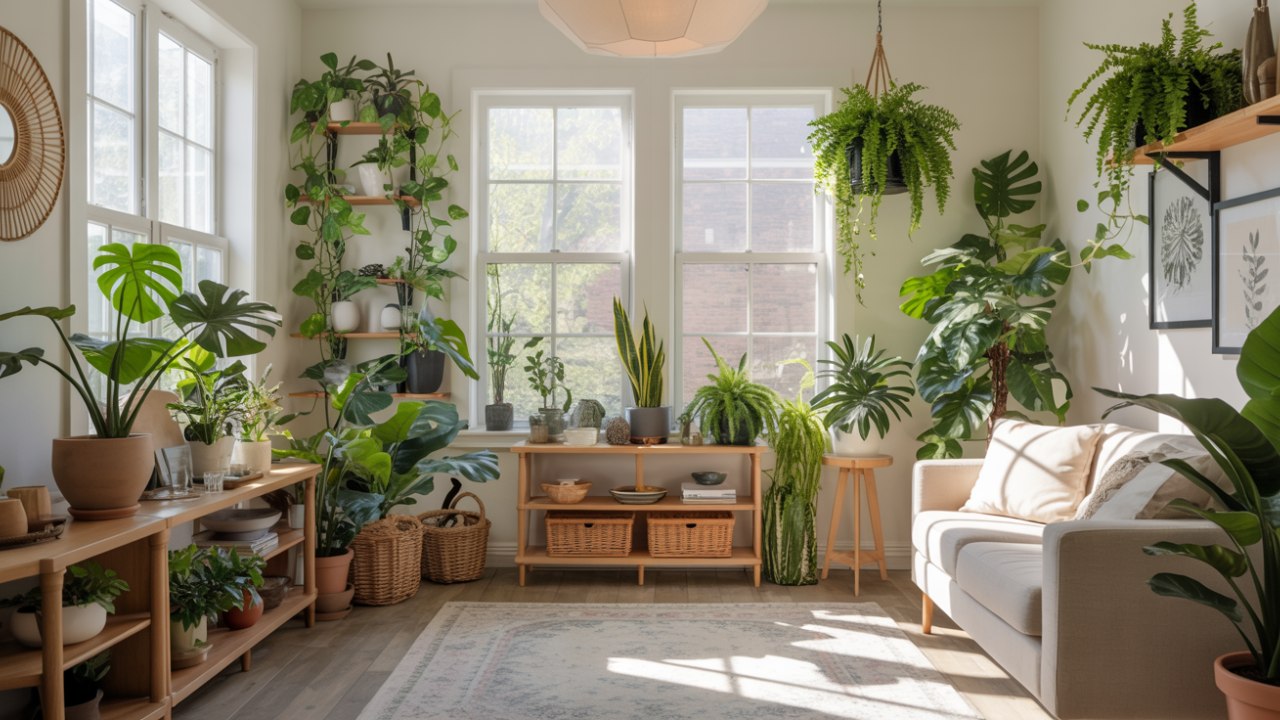

Creating an indoor garden is one of the best ways to bring life and energy into your home. A well-designed indoor oasis not only makes your living space visually appealing but also improves your well-being. The combination of lush greenery, proper indoor plant care, and creative plant design can turn any room into a personal sanctuary. In this article, we will explore ways to create an indoor garden oasis using home greenery, low-maintenance plants, and design techniques that even small apartments can follow.
Why Indoor Gardens Are the Perfect Home Upgrade
Indoor gardens are more than just decoration. They provide air purification, reduce stress, and create a calm atmosphere in your home. Studies have shown that having house plants indoors can reduce stress levels by up to 20% and improve focus and productivity. A simple Boston fern in a humid bathroom or a snake plant in your bedroom can enhance wellness while improving air quality.
Beyond health benefits, greenery as decor transforms interiors into cozy, inviting spaces. Plants act as living design elements, adding color, texture, and life. They can soften harsh corners, create focal points, and elevate the overall interior styling of your home. Even a small indoor oasis can make a space feel larger, fresher, and more vibrant.
A case study from Architectural Digest noted that a fiddle-leaf fig in a bright living room corner instantly drew attention and became the centerpiece, showing that statement plants can completely change a room’s feel. The takeaway is simple: ways to create an indoor garden oasis are not just about plants, they are about transforming your lifestyle.
Selecting the Right Plants for Your Indoor Oasis
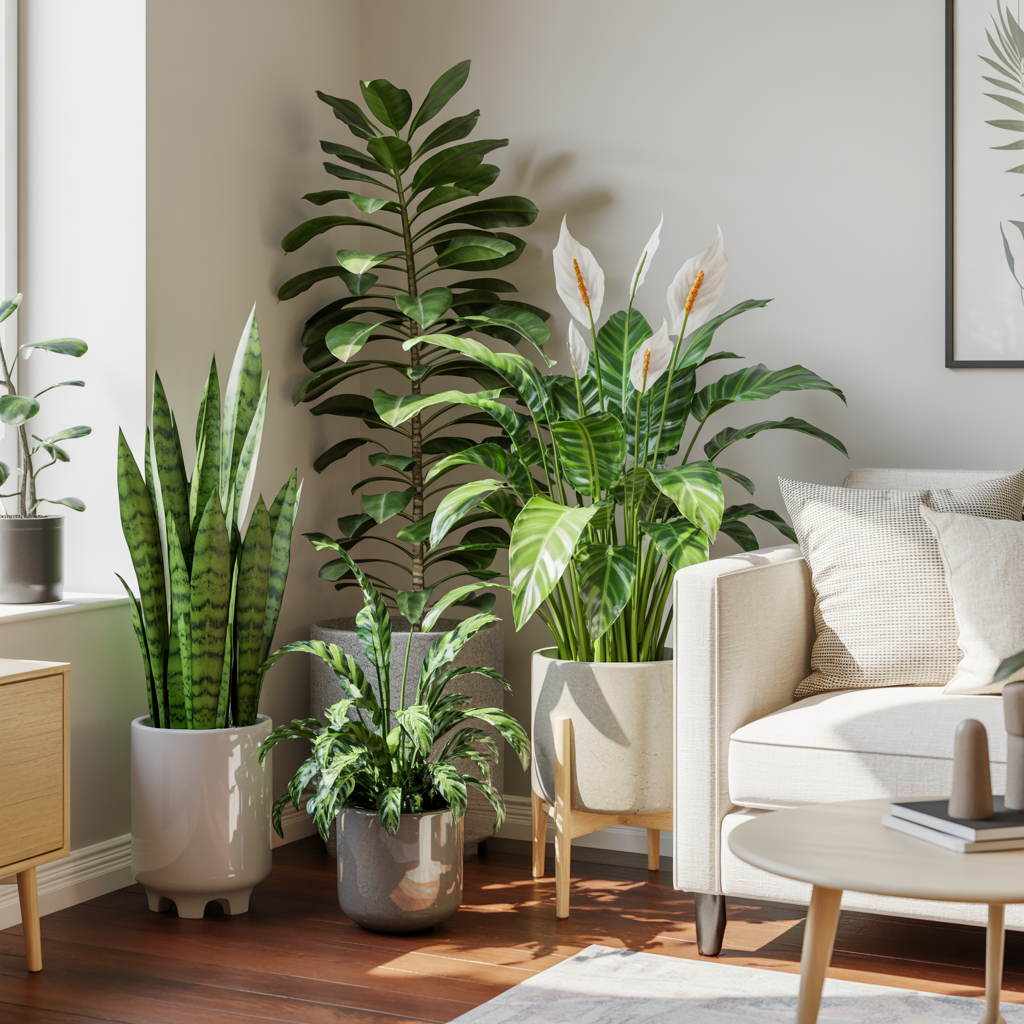
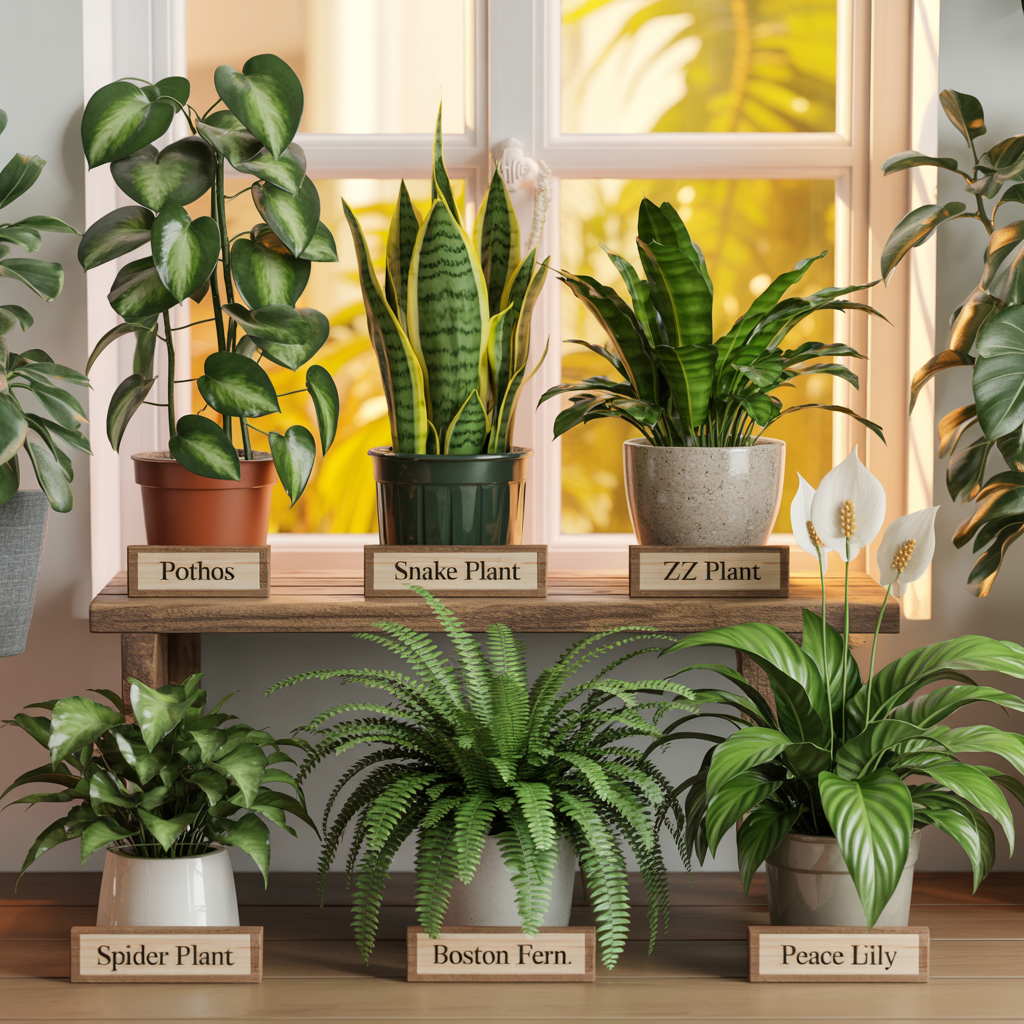
Choosing the right indoor plants is key to a thriving indoor garden. Different plants thrive in different conditions, so understanding their needs is crucial. Low-maintenance plants such as pothos, ZZ plant, and spider plant are perfect for beginners. They can survive in various light conditions and require minimal care, making them ideal for small apartments.
Tropical plants like Monstera, bird of paradise, and rubber tree add drama and elegance. Air-purifying plants like peace lily, snake plant, and Boston fern improve indoor air quality, reduce toxins, and enhance the cozy environment.
Here is a quick guide to plant selection for each room:
| Room | Recommended Plants | Benefits |
| Living Room | Fiddle-leaf fig, Monstera, Bird of paradise | Statement plants, visual focus, air purification |
| Bedroom | Snake plant, ZZ plant, Peace lily | Stress relief, low-maintenance, improves sleep |
| Bathroom | Boston fern, Peace lily, Orchids | Humidity-loving, spa-like atmosphere |
| Kitchen | Rosemary, Basil, Lavender | Functional plants, aromatic, edible |
Selecting the right plants ensures your indoor oasis is both beautiful and functional.
Designing Your Indoor Garden Layout
A successful indoor garden layout requires careful planning. Plant placement is essential. Corner plants can transform dead spaces, while grouping plants in clusters creates a lush, immersive feel. Layering plants by size and texture adds depth, making the space feel full and alive.
Small-space plants can be arranged vertically using plant stands, floating shelves, or hanging planters. Grouping plants based on their water and light requirements ensures easier indoor plant care. When designing your indoor oasis, think of each plant cluster as a mini-vignette that combines greenery as decor with practical placement.
A case study from a New York apartment showed that placing a Monstera near a window with a snake plant on a stand and pothos trailing from shelves created a indoor garden that maximized both sunlight and style.
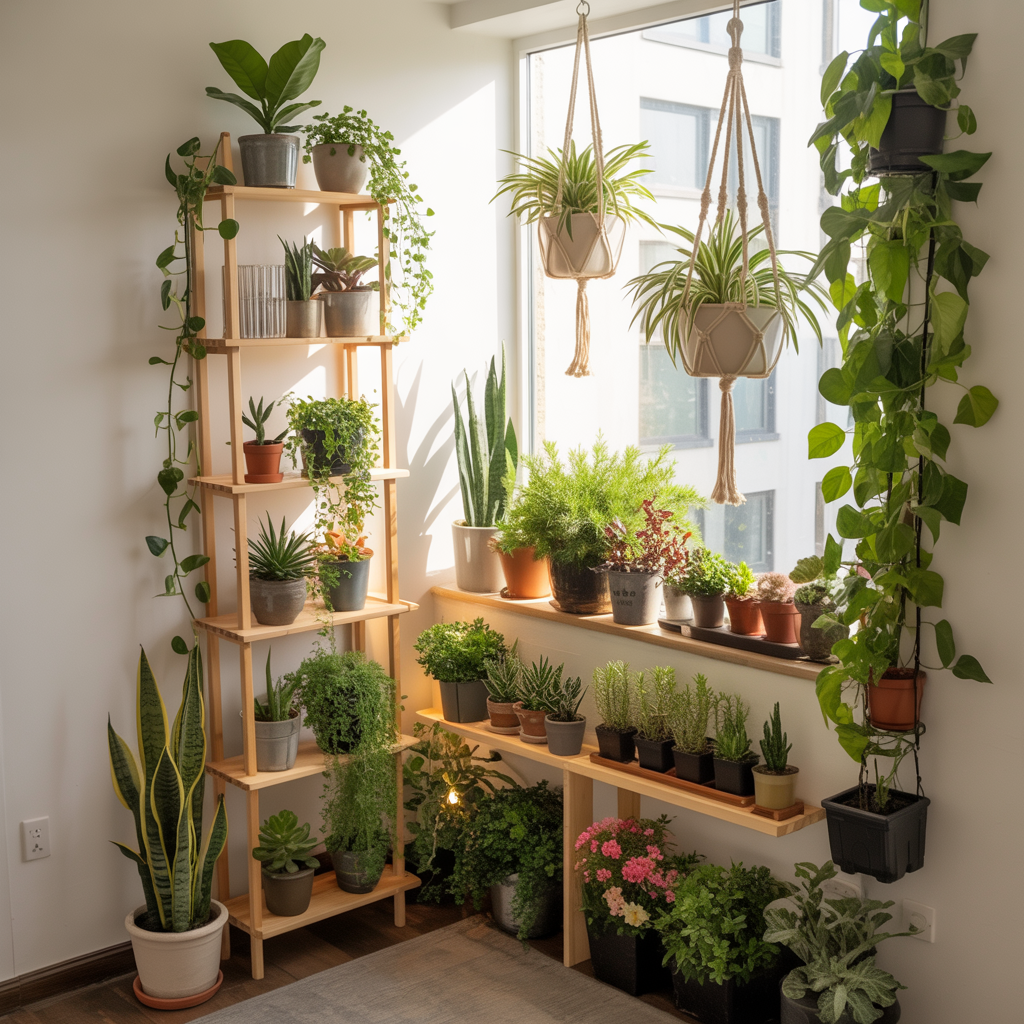
Layering and Styling for Depth and Visual Interest
Layering plants is a technique that brings dimension to any indoor garden. Start with tall plants at the back, medium-sized plants in the center, and trailing plants in front. Plant stands, floating shelves, and hanging planters can elevate the layers. Mixing heights and textures creates a lush greenery effect that feels alive and intentional.
Statement plants like a bird of paradise or a fiddle-leaf fig act as focal points, while smaller spider plants or pothos add movement. Plant clusters of three, five, or seven are visually pleasing and avoid the awkward look of a single plant.
Plant design experts recommend mixing natural materials like terracotta pots, rattan baskets, and textured plant containers with greenery to elevate the look.
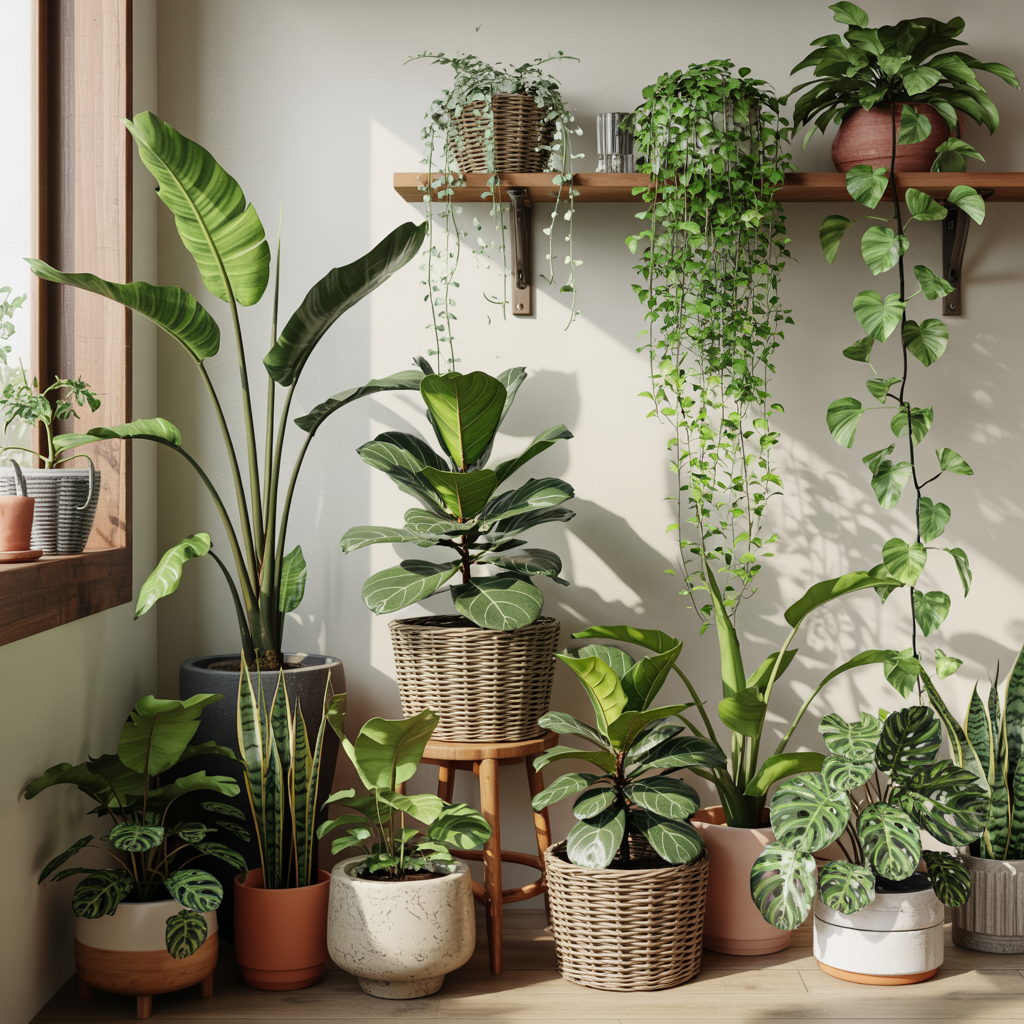
Using Light to Enhance Your Indoor Garden
Lighting is one of the most critical aspects of indoor plant care. Natural light from windows keeps house plants healthy, while grow lights supplement rooms with low sunlight. Placing a mirror across from a window can increase daylight reflection and help plants thrive.
For mood and ambiance, ambient lighting and Edison bulbs create a warm and cozy atmosphere. Spotlight plants in corners to highlight texture and shape. In a study by Homes & Gardens, using a mix of daylight, grow lights, and mood lighting improved the health of tropical plants like bird of paradise and Monstera, while also enhancing room aesthetics.
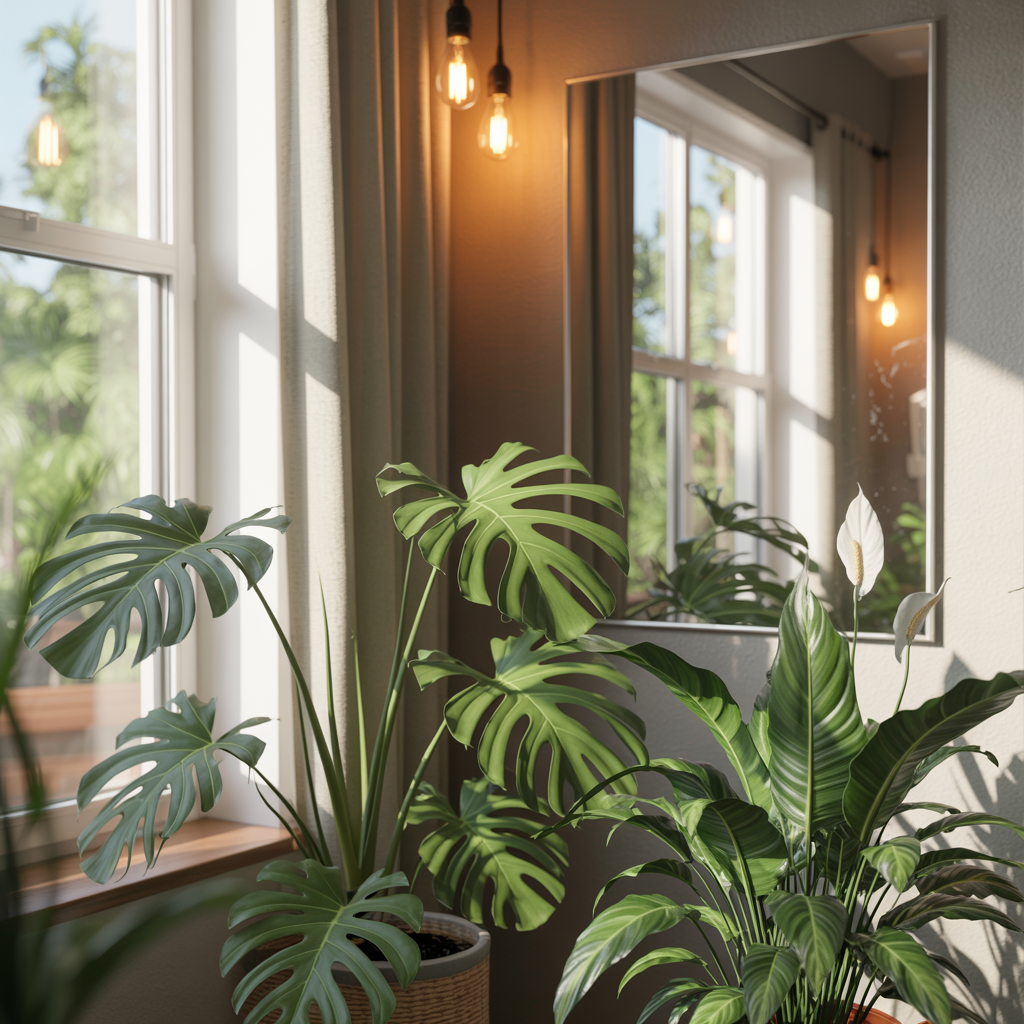
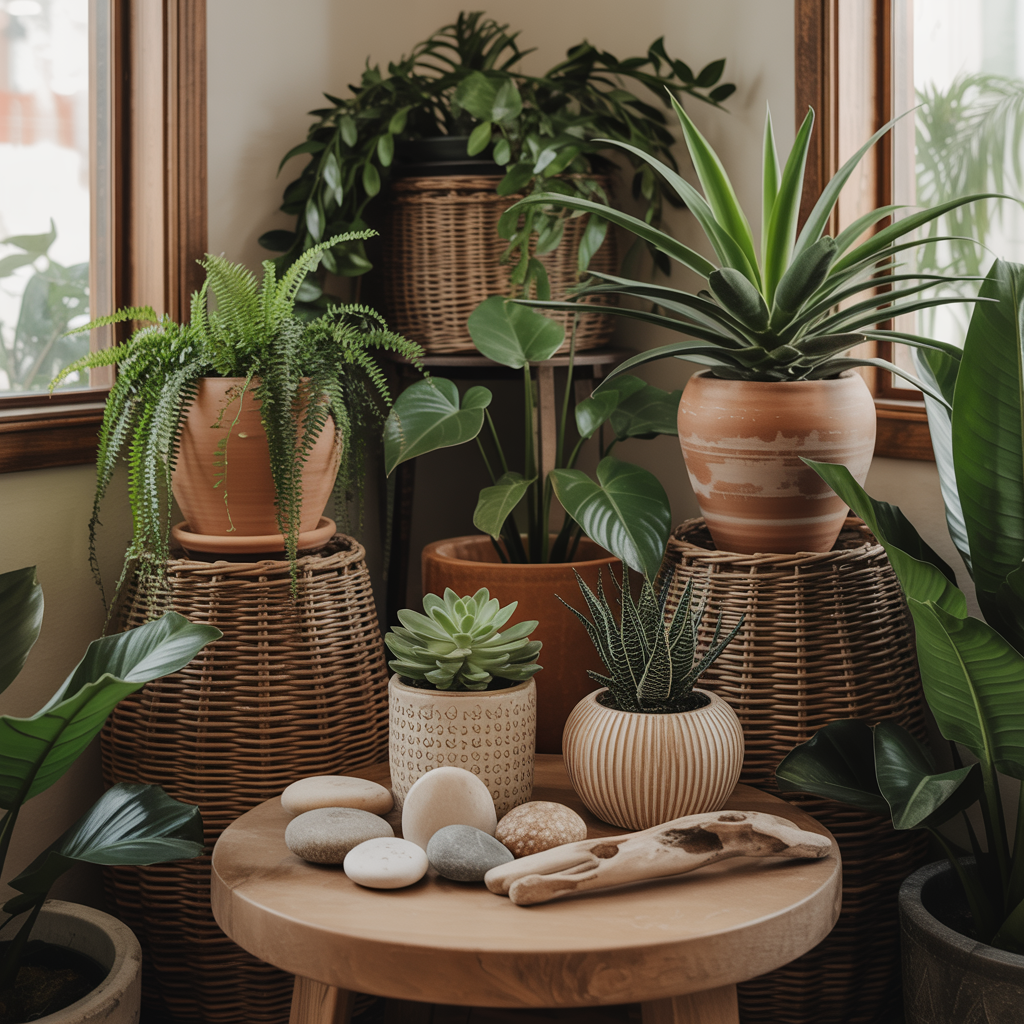
Adding Natural Materials and Decorative Elements
Using natural materials such as terracotta pots, reclaimed wood, and rattan baskets brings warmth and style to your indoor oasis. Swapping plain nursery pots for textured plant containers instantly elevates the space. Decorative items like pebbles, driftwood, or macramé hangers enhance the interior styling while remaining eco-friendly.
Statement plants placed in unique decorative planters can transform a dull corner into a personal sanctuary. Mixing greenery as decor with natural textures creates harmony between plants and home furnishings
Managing Water, Humidity, and Indoor Climate
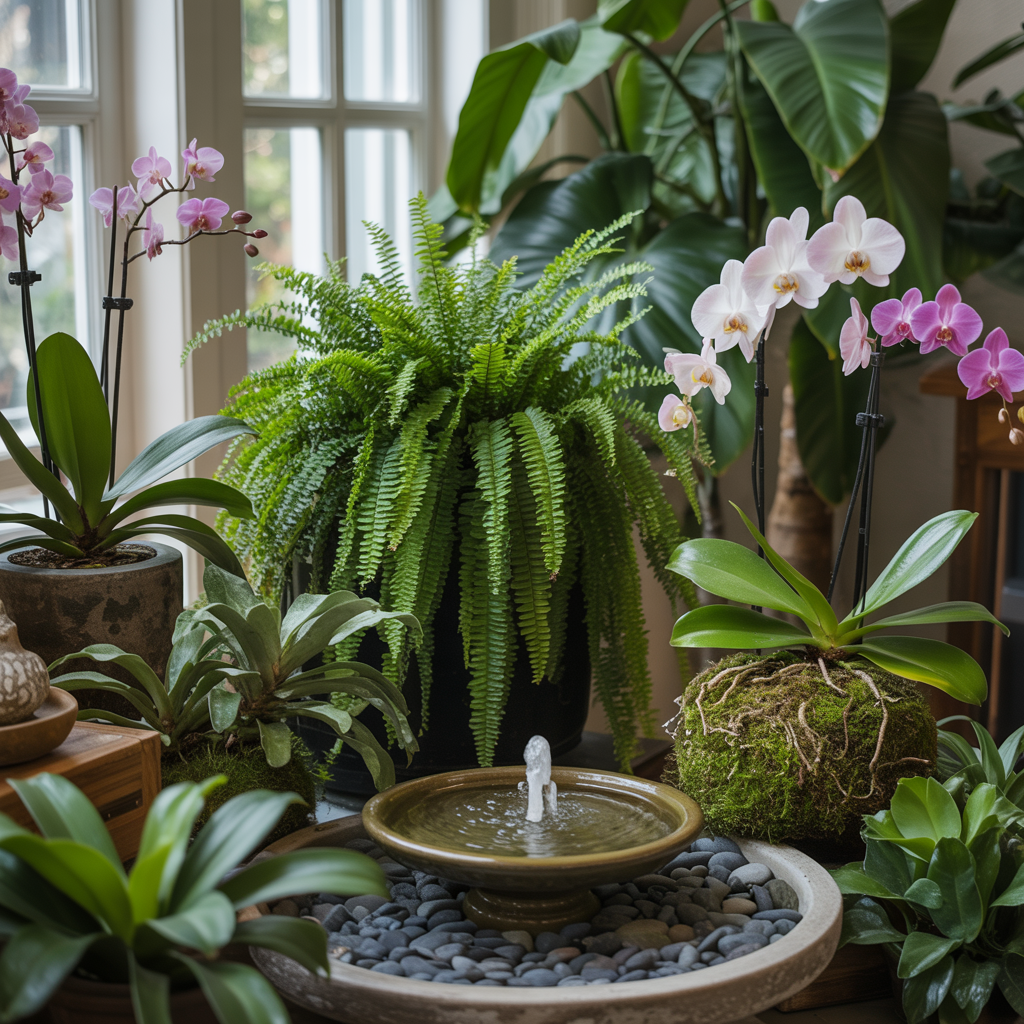
Maintaining the right indoor climate is essential for thriving plants. Watering tips include checking soil moisture before watering and adjusting frequency based on season. Humidity-loving plants like Boston fern, peace lily, and orchids benefit from micro-climate creation.
Clustering plants together increases humidity and makes care easier. A tabletop fountain or a small humidifier can further boost moisture levels. Moisture-loving plants thrive when grouped, creating a cozy environment with lush greenery that mimics a tropical jungle indoors.
Temperature control is also important. Most house plants prefer 65–75°F, and sudden drafts or heaters can stress them. Understanding the indoor climate allows your indoor garden oasis to flourish year-round.
Combining Function and Aesthetic in Your Indoor Garden
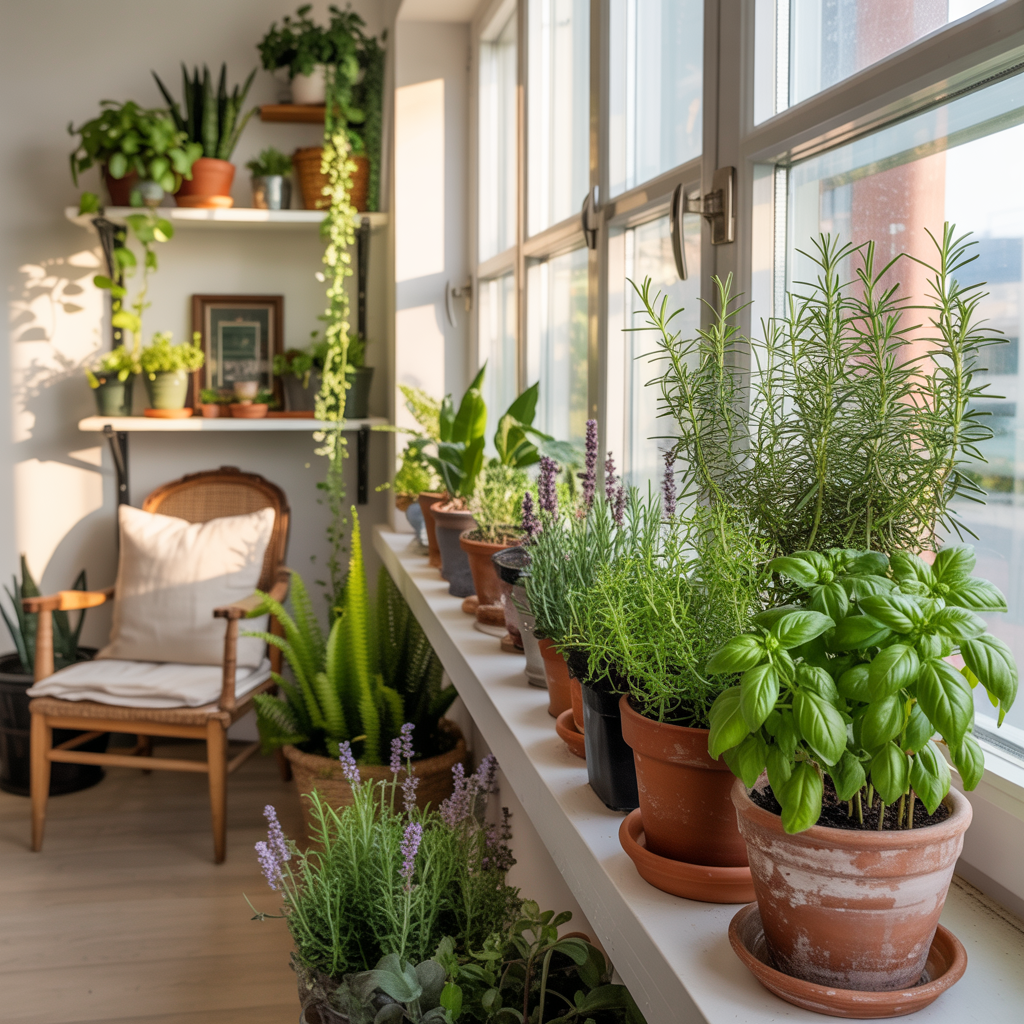
An indoor garden can be both beautiful and functional. Functional plants like rosemary, basil, and lavender offer aromatic benefits and can be used in cooking. Small reading corners or seating areas surrounded by house plants create a serene personal sanctuary.
Even small-space plants arranged vertically or on shelves can double as living design elements. This integration of style and function makes your indoor oasis.
Common Mistakes to Avoid When Creating an Indoor Garden
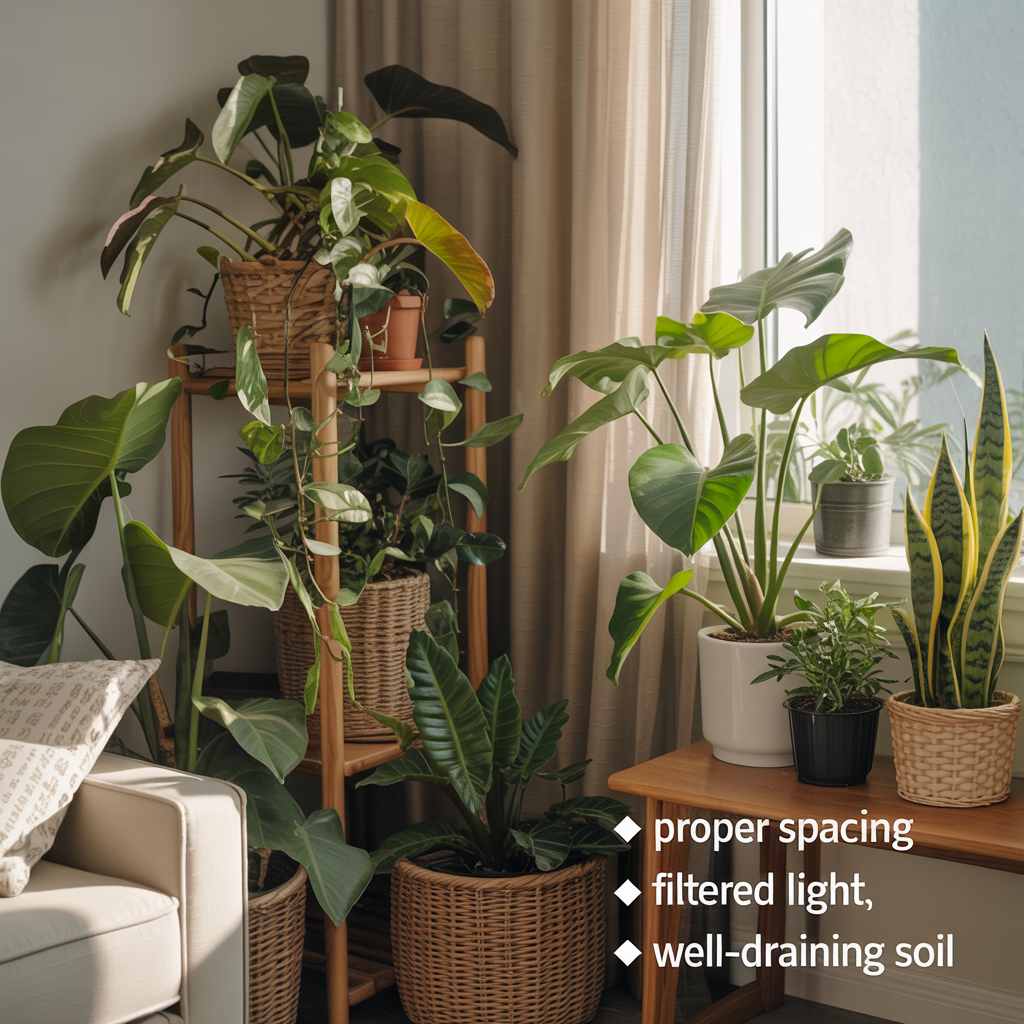
Overwatering, improper lighting, and overcrowding are common mistakes in indoor plant care. Beginner-friendly plants are ideal for those new to small-space gardening. Avoid clutter by using plant grouping strategies and maintaining plant clusters that are visually pleasing.
Using incompatible plants in one area can lead to faster growth issues or plant stress. Always consider each plant’s humidity, temperature, and sunlight needs before adding them to your indoor oasis.
FAQs About Creating an Indoor Garden Oasis
Q1. Which plants are easiest for beginners?
A: Snake plant, pothos, ZZ plant, and spider plant are forgiving and require minimal care.
Q2. How can I add plants if I don’t have much natural light?
A: Use grow lights or choose dark-light coping plants like peace lily and snake plant.
Q3. Can indoor plants improve air quality?
A: While plants like peace lily and snake plant help remove toxins, they primarily offer aesthetic, emotional, and mood-shaping benefits.
Q4. How can I style plants in a small apartment?
A: Use vertical gardening, floating shelves, or hanging planters to save floor space while maintaining a lush greenery look.
Final Tips to Maintain a Thriving Indoor Garden
To maintain a thriving indoor garden oasis, rotate plants seasonally, keep up with watering tips, and check for pests. Small adjustments, like changing the position of corner plants or updating decorative planters, refresh the space. Gradually add low-maintenance plants and mix plant types for variety.
Remember, a lush indoor oasis does not require a large garden or green thumb. With proper indoor plant care, thoughtful plant placement, and layering techniques, even a single Monstera in your living room can transform your home into a personal sanctuary.
Creating an indoor garden oasis is about blending home greenery with lifestyle integration, making every day more serene, vibrant, and inspiring.

 By
By