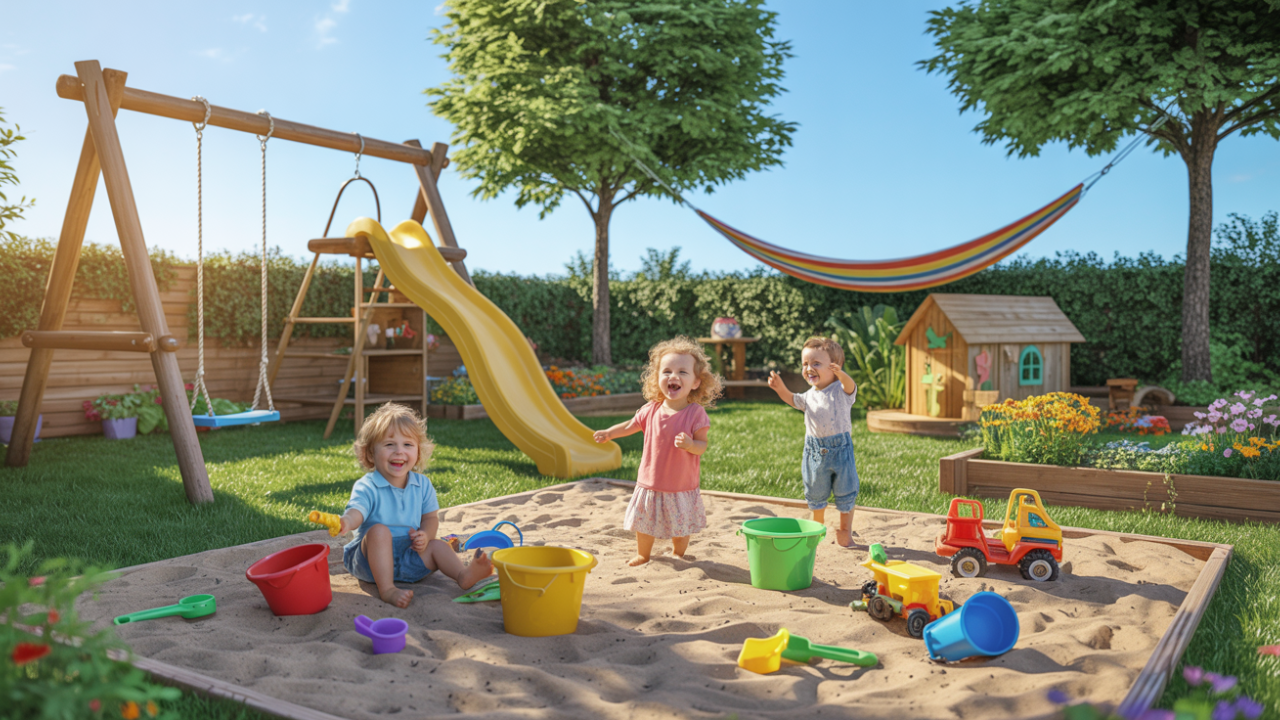

Creating a backyard that sparks joy and encourages kids love for outdoor play is a dream for many parents. A well-designed backyard play area does more than just entertain children; it becomes a space where they can explore and adventure, develop mental and emotional health, and create childhood memories that last a lifetime. Whether you have a large yard or are looking for small backyard solutions, there are countless ways to transform your outdoor space into a family-friendly backyard full of playful energy, creativity, and safety. This guide will help you design a backyard that balances fun, learning, and relaxation, while also being easy to maintain and budget-friendly.
Plan Your Backyard With Kids in Mind
The first step in creating a kid-friendly backyard is thoughtful planning. Start by imagining your yard as a combination of active vs calm play zones. Dividing the yard into areas for running, climbing, and sliding, alongside spaces for reading or quiet reflection, ensures that children have options to enjoy both energetic and restful activities. Consider age-appropriate activities for toddlers, preschoolers, and older children. A climbing frame and sandbox can serve toddlers, while older kids might enjoy an obstacle course or a chalkboard wall for creative play. Even in a small space, compact backyard solutions like balcony play areas, foldable tents, or vertical gardens can help create flexible play spaces that grow with your family. Planning with safety in mind from the beginning is essential, as safety first ensures parents can relax while children enjoy outdoor fun ideas.
Create Play Zones That Spark Joy
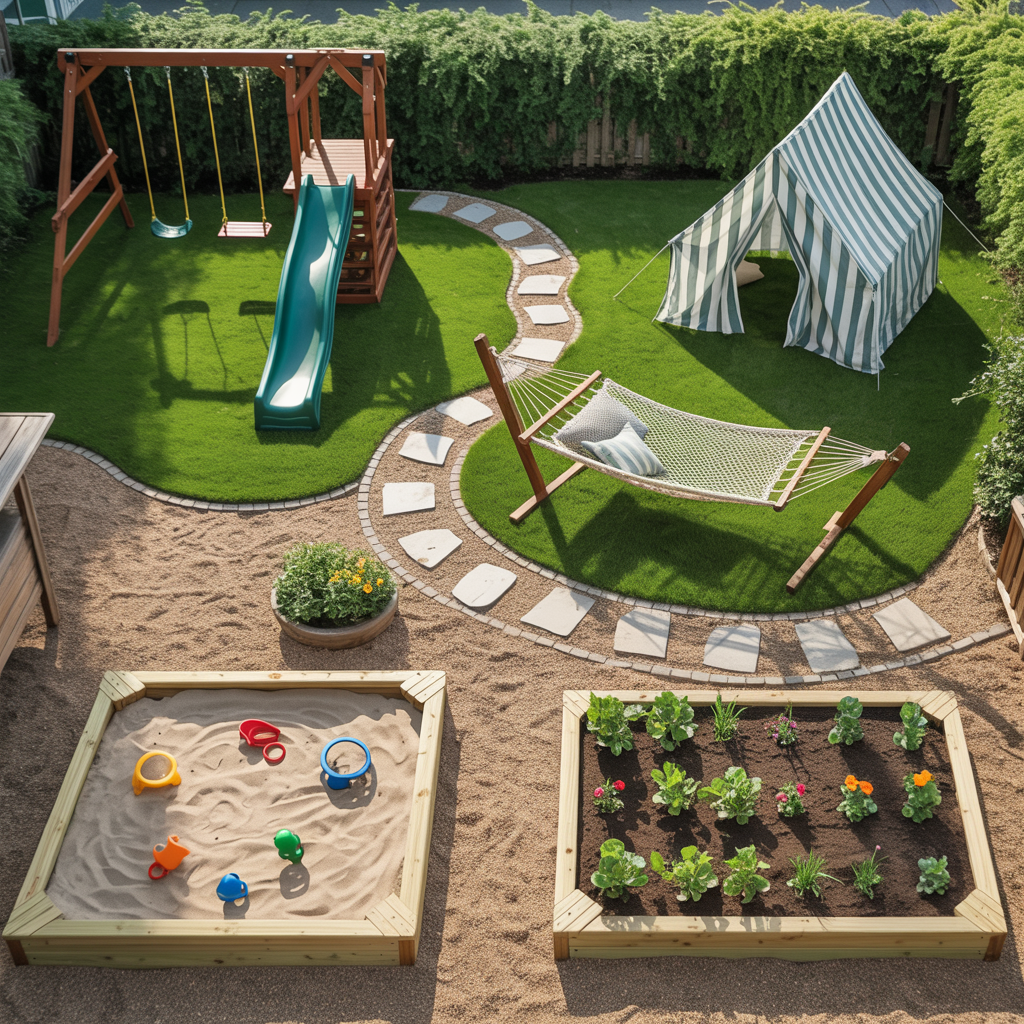
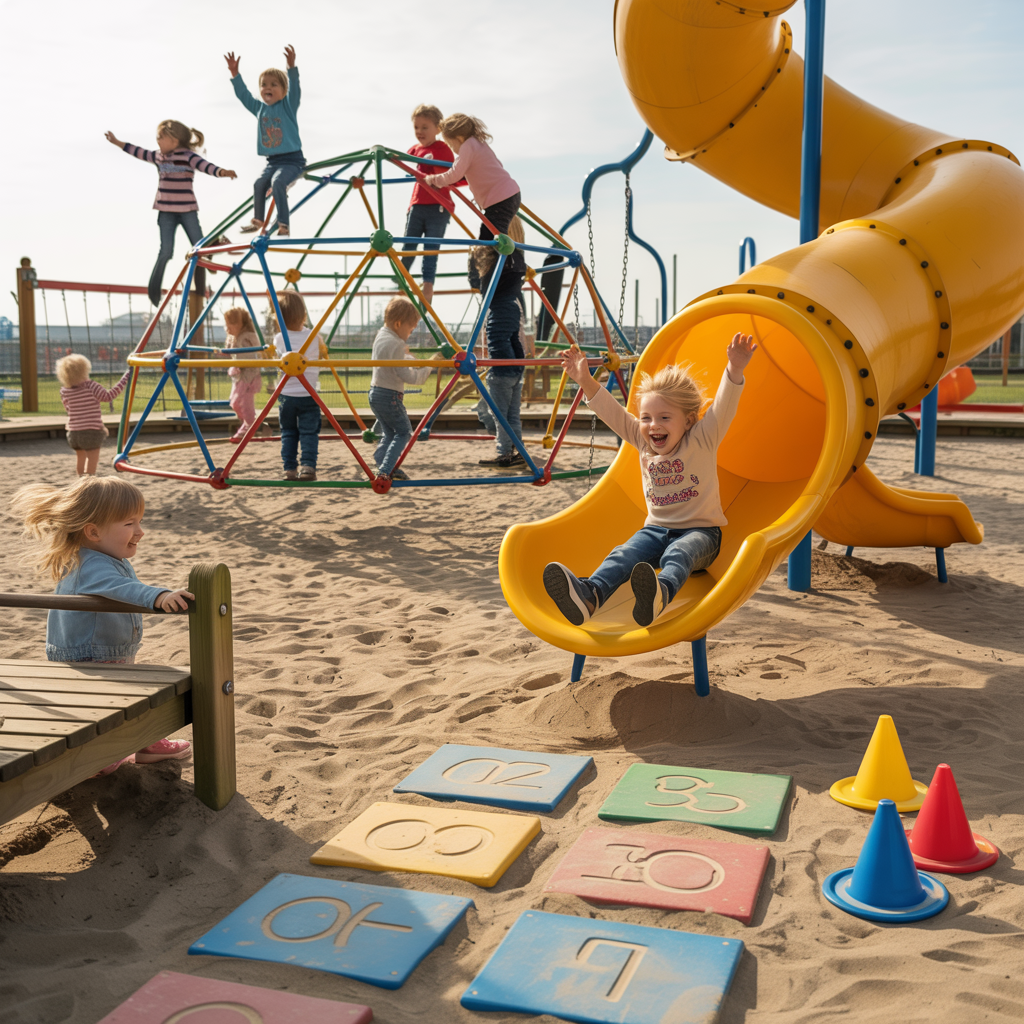
A backyard that sparks joy is one filled with swings and slides, a climbing dome, and a well-designed sandbox for kids. These features form the heart of any outdoor play zones, giving children the chance to exercise, climb, dig, and laugh. DIY backyard projects like creating a tire swing or a mini fort add a sense of ownership and pride in the space. Outdoor games such as hopscotch, mini soccer, or bean bag toss further encourage hands-on play and outdoor engagement. When designing your zones, it’s important to maintain balance to ensure fun without chaos, combining active vs calm play zones so children can enjoy freedom while staying safe.
Safety Tips Every Parent Should Know
When designing a kid-friendly backyard, backyard safety tips cannot be ignored. Soft surfaces like rubber mulch / soft surfacing, sand, or foam tiles reduce the risk of injuries from falls. Secure fencing around water features, careful placement of play equipment, and shaded areas to prevent sunburn are essential. Walking through your yard barefoot to check for hazards, including sharp branches or uneven surfaces, is a simple way to prevent accidents. Even in small or urban spaces, balcony or patio play can be safe if parents supervise and use age-appropriate activities. Remember, safe play equipment is not just about standards; it’s about creating confidence and allowing children to explore freely in a protected environment.
Incorporate Nature for Learning and Adventure
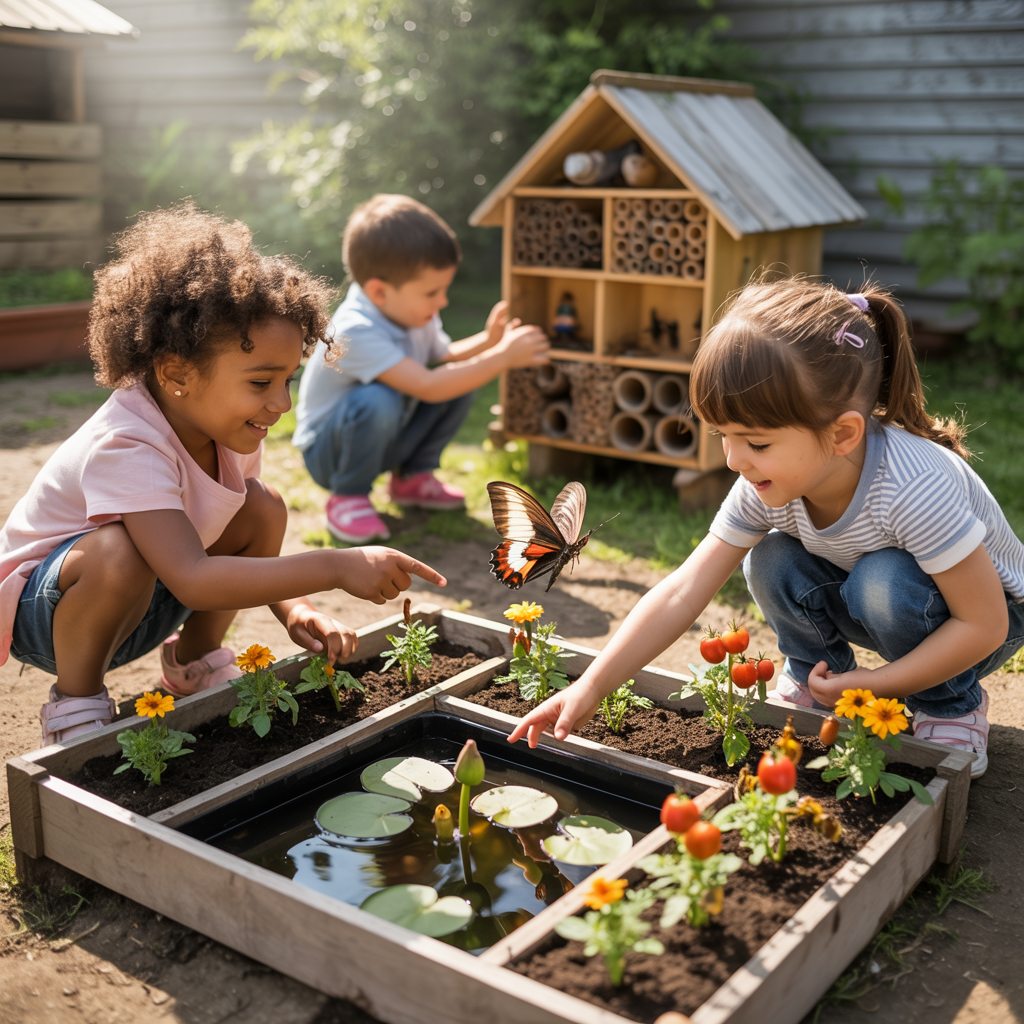
Nature play is a key part of backyard transformations. A child-sized garden with strawberries, cherry tomatoes, or sunflowers provides children with a tactile connection to the natural world. Building mini ponds, bug hotels, or butterfly gardens creates outdoor learning opportunities that foster creativity and curiosity. Spending time in green spaces contributes to emotional resilience in children, improves focus, and encourages hands-on play. Even small spaces can accommodate gardens for children using balcony planters or container gardens. These growing spaces help kids learn about responsibility, patience, and the joys of tending to living things, all while enjoying backyard imagination and exploration.
DIY Projects Kids Can Enjoy
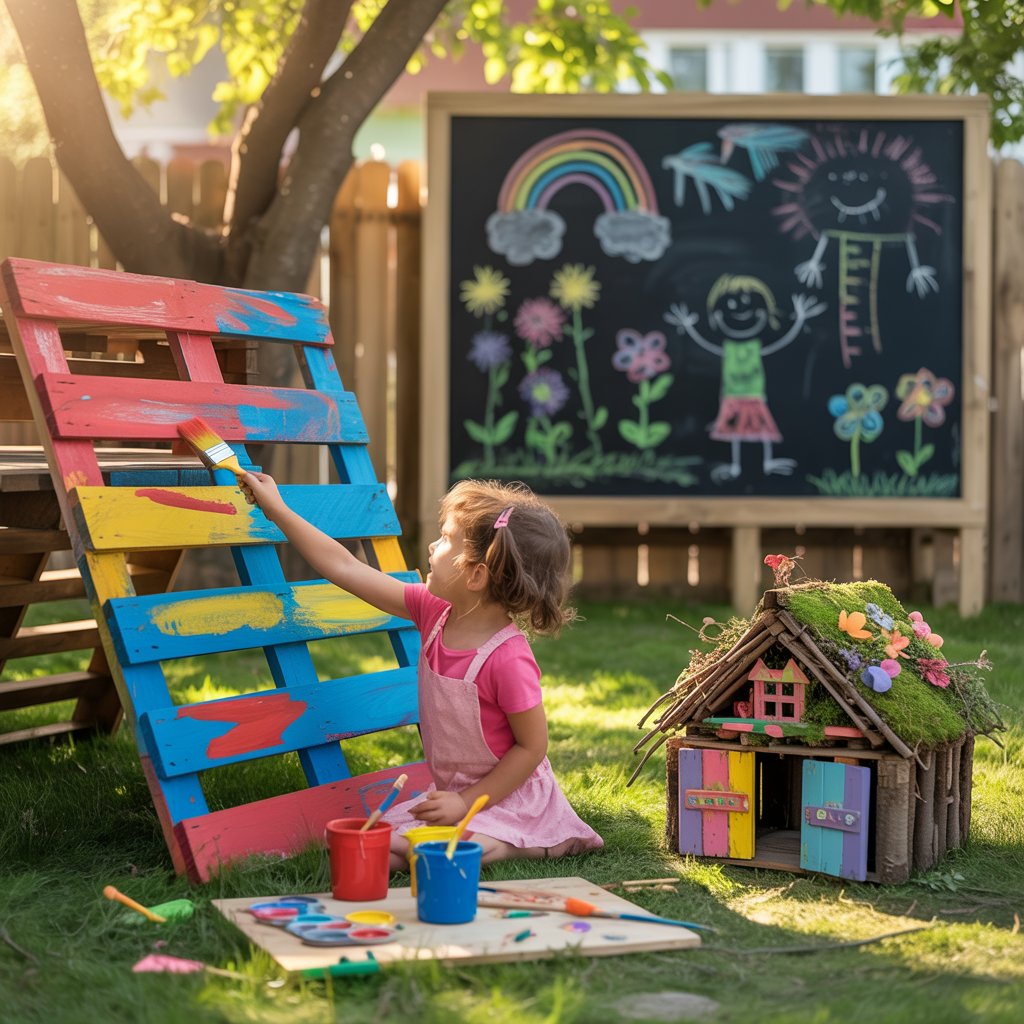
One of the most rewarding ways to engage children in your backyard is through DIY backyard projects. Simple creations like fairy houses / forts, pallet market stands, or chalkboard walls allow children to channel their imagination spark into meaningful play. Building a treehouse or obstacle course with parental guidance encourages hands-on play, problem-solving, and collaboration. Even everyday items like buckets, old sheets, or stepping stones can become creative play activities, providing hours of fun while teaching children the value of DIY creativity. Such projects are also excellent for teaching budget-friendly ideas for parents looking to maximize space and creativity without overspending.
Quiet Spaces for Relaxation and Creativity
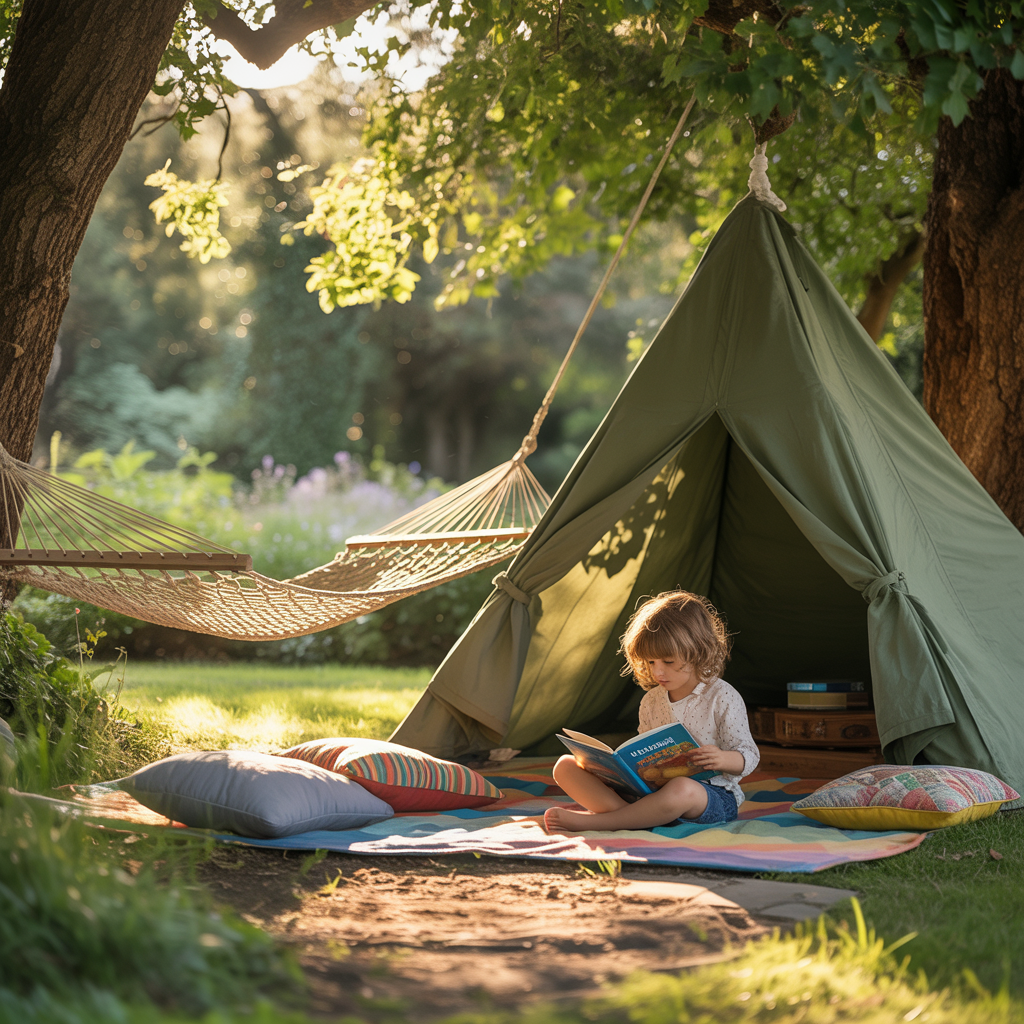
A kid-friendly backyard isn’t complete without areas for calm. Quiet backyard corners, hammocks, or a hammock or cozy retreat provide children with spaces to rest and recharge after active play. Small patios or tents can be used for reading, drawing, or quiet reflection, allowing children to balance active vs calm play zones. These retreats also foster creativity and curiosity, giving kids space to imagine stories, observe nature, or even journal. Encouraging children to spend time in these areas builds mental and emotional health while offering parents a peaceful view of their little ones enjoying growing spaces safely.
Seasonal Backyard Fun Ideas
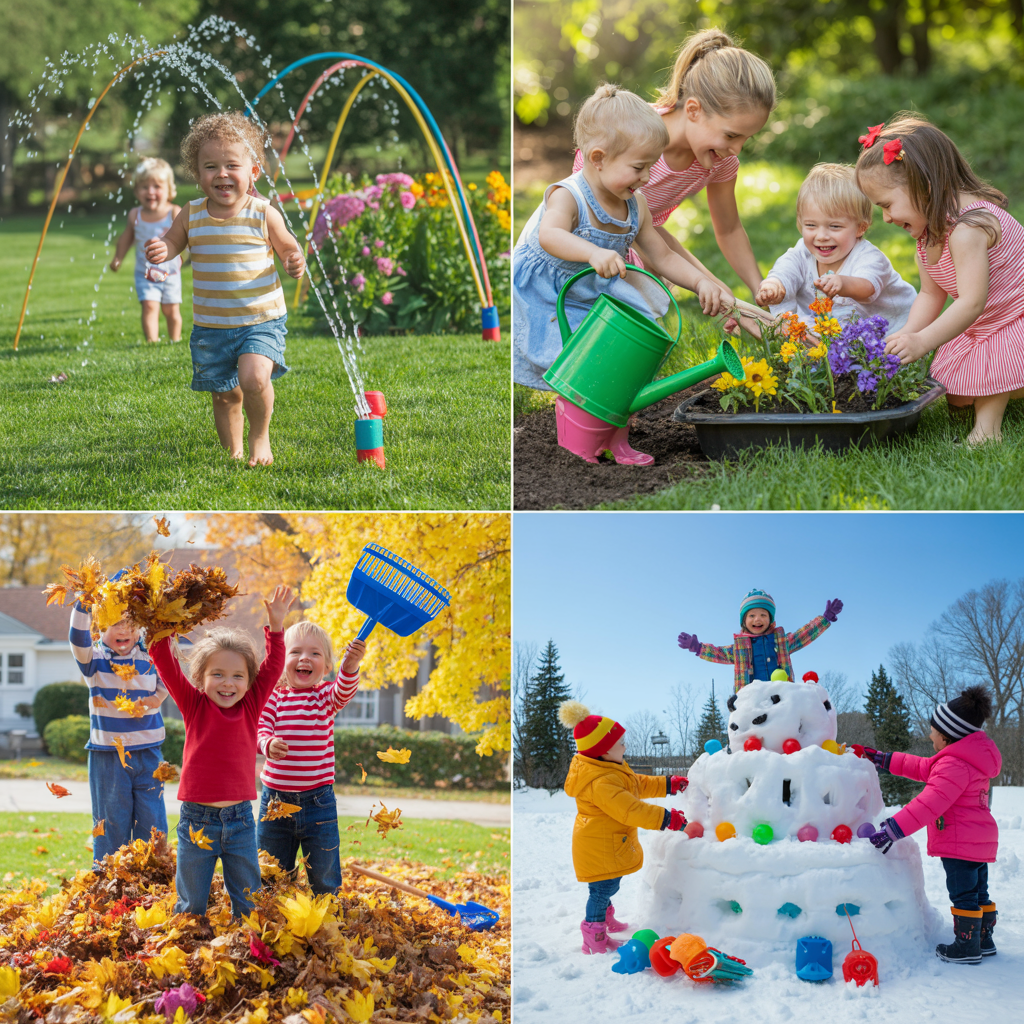
A backyard should be lively all year. In the summer, water tables, sprinklers, and outdoor sports energize children. Spring is perfect for planting gardens, scavenger hunts, and nature-based games. Fall offers leaf piles, pumpkin decorating, and outdoor adventure opportunities. In winter, snow forts or indoor-outdoor crafts keep children engaged in hands-on play. By adapting seasonal backyard fun ideas, parents can maintain excitement and outdoor engagement all year while keeping children safe, active, and creative.
Budget-Friendly Ideas for Every Backyard
Creating a kid-friendly backyard doesn’t require a large budget. Repurposing items like old tires for swings, wooden pallets for forts, or buckets for water play allows for budget backyard design while encouraging DIY creativity. Even a small backyard solution can include chalkboard panels, foldable tents, or miniature garden boxes. Flexible design ideas that grow with your children save money and allow the backyard to evolve with their changing interests. A combination of creativity, resourcefulness, and thoughtful planning ensures every child can enjoy backyard fun on a budget without compromising safe play equipment or family-friendly backyard aesthetics.
How to Maintain a Kid-Friendly Backyard
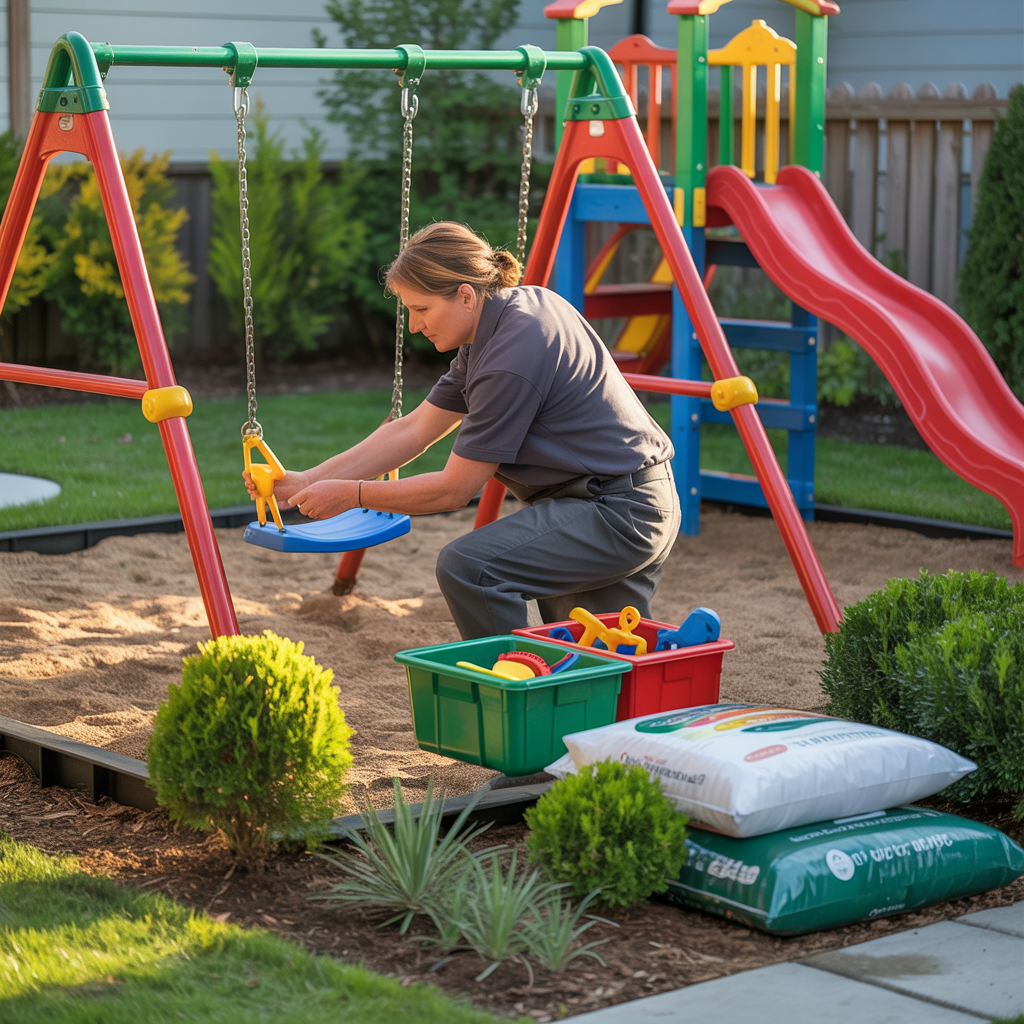
Maintenance is key to keeping a backyard safe, clean, and inviting. Organize toys, check safe play equipment, and inspect rubber mulch / soft surfacing regularly. Keep plants non-toxic and ensure garden areas are clean for tactile outdoor play. Seasonal tasks, including cleaning slides, trimming bushes, and repairing fences, maintain a safe and fun environment. A well-maintained backyard not only supports outdoor engagement and active vs calm play zones, but also ensures a flexible play space that grows with your family over the years.
FAQs About Kid-Friendly Backyards
Q1: How can I make a backyard kid-friendly?
A: Focus on creating outdoor play zones, safe surfaces, and areas for both active and calm play.
Q2: What are some small backyard ideas for kids?
A: Utilize vertical gardens, foldable tents, balcony play, and DIY backyard projects for compact backyard solutions.
Q3: Can a kid-friendly backyard still be stylish?
A: Absolutely. Incorporate natural wood structures, woven baskets, and budget backyard design elements that look grown-up but remain functional for children.
Q4: How do I encourage nature play in my backyard?
A: Set up child-sized gardens, butterfly gardens, bug hotels, or mini ponds to inspire outdoor learning and backyard imagination.
Q5: How can I keep kids engaged as they grow?
A: Use flexible design, converting sandboxes into raised garden beds or chalkboard walls into homework/art areas, to ensure play continues to evolve.
Conclusion
Creating a kid-friendly backyard is about more than swings and slides. It is about designing growing spaces where children can explore and adventure, develop creativity and curiosity, and make lasting childhood memories. With thoughtful planning, DIY backyard projects, and a balance of active vs calm play zones, even small or budget-friendly backyards can become family-friendly backyards filled with playful energy, safety, and fun. The best backyards are measured not in square feet, but in laughter, imagination, and the love of outdoor engagement that children experience every day.


 By
By